Nation
The anatomy of a failing exam and why NEET 2026 is the death knell for merit
The cancellation of NEET-UG 2026 is not an isolated scandal but the latest sign of a broken examination system where accountability remains elusive
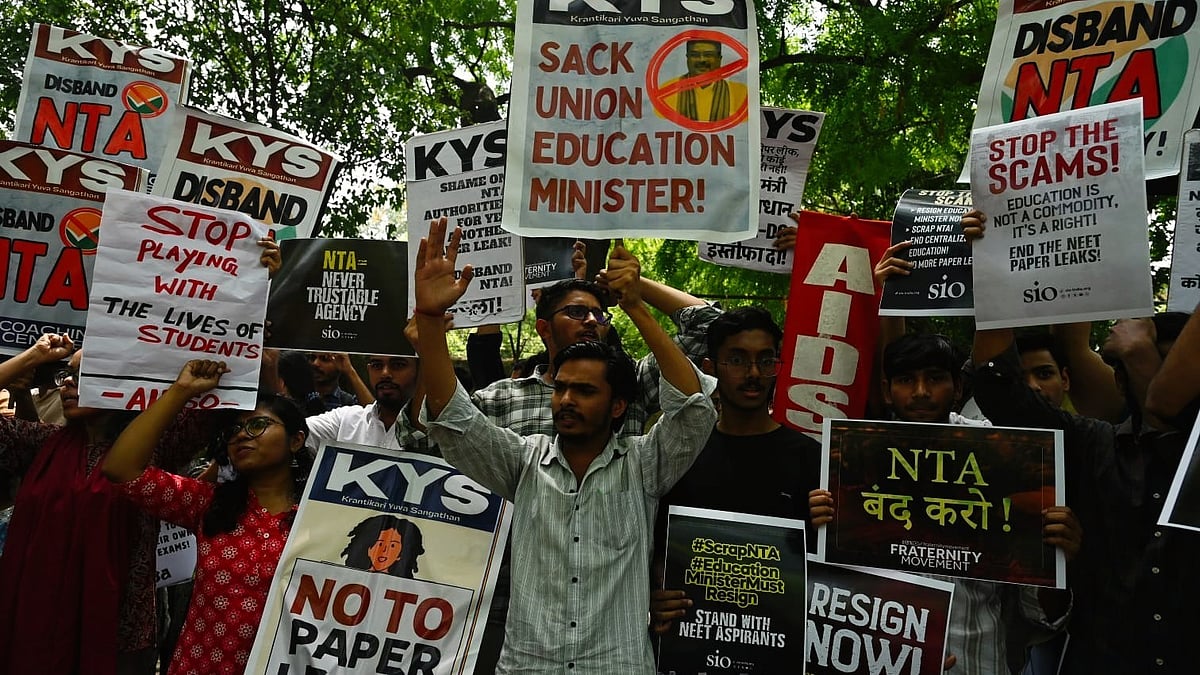
The cancellation of the NEET-UG 2026 held on 3 May by the National Testing Agency (NTA) is not an anomaly. It is the predictable outcome of years of systemic negligence. Nine days later, on May 12, the NTA scrapped the entire exercise after evidence emerged of a “guess paper” matching a significant portion of the actual questions in sequence and options.
A re-examination is now scheduled for 21 June 2026, with admit cards to be distributed from 14 June, revised shift timings, centre choice facility, extra time and no additional fee. From 2027, the education minister declared at a press conference, the exam will shift to computer-based testing.
But procedural corrections alone cannot disguise the scale of the crisis.
This is now part of a disturbing pattern. NEET and other major examinations have repeatedly faced allegations of leaks and irregularities over the past decade. Each year, the same cycle— ompromised sanctity, student trauma and hollow assurances —is repeated while the powerful evade accountability. Meanwhile, students continue to bear the emotional, financial and psychological costs.
The Sikar connection
Sikar in Rajasthan remains the notorious epicentre, where coaching success rates have defied logic. The CBI has already made several arrests across Rajasthan, Haryana and Maharashtra, probing what appears to be a multi-state network involving intermediaries and coaching-linked operators.
These allegations have once again raised uncomfortable questions about the nexus between high-pressure coaching ecosystems and compromised examination processes. The extraordinary “success rates” emerging from some centres increasingly invite scrutiny rather than admiration.
Union Education Minister Dharmendra Pradhan’s response has been marked by evasion and minimal engagement. Reports indicate he sidestepped direct media questions on the cancellation and broader failures. At a press conference, he expressed anguish, announced the re-exam details, and vowed strict action against the “mafia,” while promising reforms from next year. Opposition leaders continue to demand his resignation, citing over 70 paper leaks across exams in recent years and a pattern of impunity.
Students and families, many from modest backgrounds, face extended uncertainty, additional costs, and immense stress. Tragically, reports of student suicides linked to the chaos have emerged. The honest majority bears the burden while the “MBBS admission mafia” allegedly earns hundreds of crores.
Time for Radical Reform
India’s demographic promise depends on the credibility of its institutions. Competitive examinations are meant to reward merit, discipline and hard work. When leaks, networks and influence appear to determine outcomes, faith in the system begins to collapse.
The NEET 2026 fiasco must become a turning point, not another forgotten scandal. Transparent investigations, institutional accountability, stronger digital safeguards and an independent overhaul of the examination system are no longer optional. Without meaningful reform, every future examination will carry the shadow of suspicion—and every deserving student will continue to pay the price.
Hasnain Naqvi is a former member of the history faculty at St Xavier’s College, Mumbai. More of his writing here
Join our official telegram channel (@nationalherald) and stay updated with the latest headlines