POLITICS
All India Kisan Sabha warns of 'militant resistance' if US trade deal proceeds
Says concessions to Washington could hurt soybean and dairy producers, squeeze rural incomes and hasten corporate consolidation
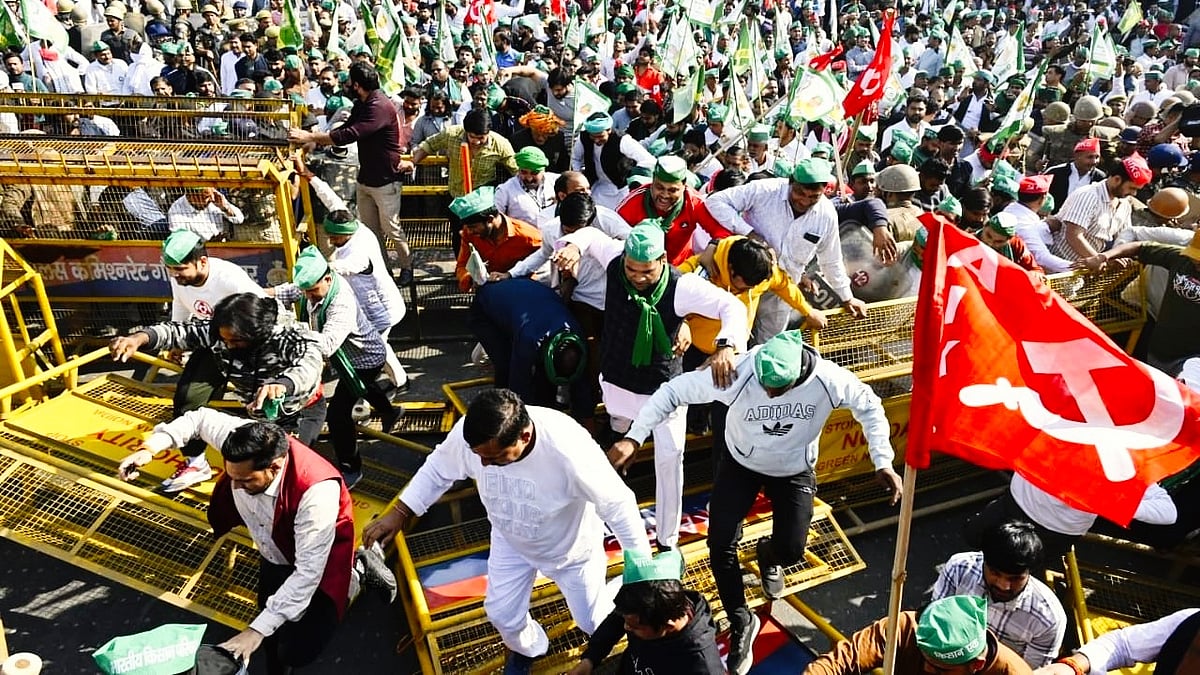
AIKS warns of 'militant resistance' if the Modi government proceeds with the proposed India-US trade deal.
Farmers' body flags risks to soybean, dairy, cotton, feed-crop and fruit producers from US imports.
AIKS criticises edible oil duty cuts and backs the Samyukt Kisan Morcha's 23 October Delhi march.
The All India Kisan Sabha (AIKS) on Wednesday, 21 October warned the Narendra Modi government of 'militant resistance' from farmers if it proceeds with the proposed India-US trade deal, arguing that concessions to Washington would threaten domestic agriculture and strengthen corporate control over the sector.
In a statement, the farmers' organisation urged the government to reject the proposed agreement, saying Indian farmers would be unable to compete with heavily subsidised American agricultural producers.
Describing the proposed deal as a surrender to US interests, the AIKS warned that the government would 'face militant resistance from the peasantry if it goes ahead with the anti-national trade deal'. It also called on its units to prepare for a prolonged struggle against the agreement.
'The ongoing visit of US Secretary of State Marco Rubio, and the negotiations he reportedly led with Indian authorities to "finalise" a trade deal between the US and India, demonstrate that the RSS-BJP-led Union government will go to any extent to please their imperial masters,' the AIKS said.
The organisation alleged that Parliament had been kept in the dark about the proposed agreement even as negotiations appeared to be nearing completion.
Citing public remarks by Rubio that the deal was 'very close', the AIKS said access for US dairy products to the Indian market had emerged as the final hurdle. It also referred to Commerce and Industry Minister Piyush Goyal's statement that the agreement had reached the final stage of legal drafting.
Soybean and dairy sectors at risk, says AIKS
The AIKS warned that concessions in the soybean sector could severely affect farmers in major producing states, including Maharashtra, Madhya Pradesh, Rajasthan, Gujarat and Karnataka.
'Indian soybean farmers cannot compete with heavily subsidised industrial farmers in the US,' it said.
The organisation also cautioned against opening India's dairy market without limits, arguing that cheaper, subsidised imports could undercut domestic procurement prices and threaten the livelihoods and household incomes of dairy farmers.
Other sectors that could be affected include maize and sorghum growers supplying cattle feed, cotton farmers, and producers of almonds, walnuts and apples, the AIKS said.
'To put it simply, concessions to the US would result in a dangerous level of corporate consolidation in Indian agriculture,' it added.
AIKS criticises cuts in edible oil import duties
The farmers' body also criticised the government's decision in September to reduce the basic import duty on crude soybean oil and palm oil from 10 per cent to 5 per cent, alongside cuts in duties on refined oils.
It said the decision came just as farmers were beginning to harvest kharif soybeans, potentially exposing domestic producers to greater competition from imported edible oils at a critical point in the agricultural cycle.
The AIKS argued that such trade and tariff decisions could weaken returns for domestic farmers while benefiting large importers and corporate players.
AIKS backs 23 October march in Delhi
The organisation also appealed to farmers to participate in large numbers in the Samyukt Kisan Morcha's march in Delhi on 23 October against what it described as the manipulation of elections.
The appeal comes amid the AIKS's wider opposition to the proposed trade agreement, which it says could undermine farmers' livelihoods and leave domestic agriculture more vulnerable to competition from heavily subsidised US producers.
Join our official telegram channel (@nationalherald) and stay updated with the latest headlines