


US lawmakers call on Trump to press Xi on soybean, beef trade issue
Senator Pete Ricketts seeks compliance with soybean commitments and clearer rules for US beef exports
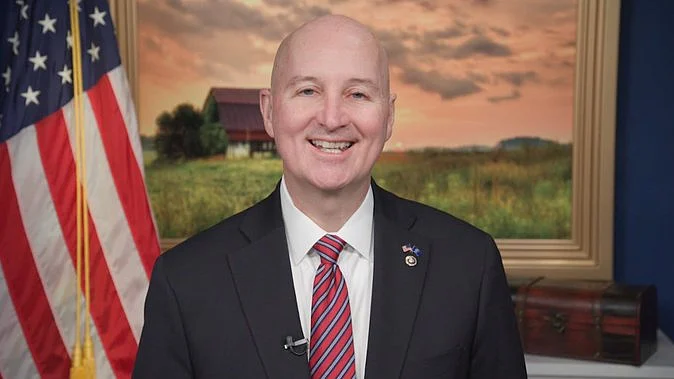


Two Republican lawmakers urge Trump to press China for reliable access to soybean and beef markets
Ricketts seeks compliance with soybean commitments and clearer rules for US beef exports
Nunn calls for enforceable trade deals, alongside broader US concerns over AI chips and security
Two Republican lawmakers have urged President Donald Trump to press China for reliable access to its soybean and beef markets when he meets Chinese President Xi Jinping this week, arguing that past commitments have left American producers facing continued uncertainty.
Senator Pete Ricketts of Nebraska wrote to US Trade Representative Jamieson Greer ahead of the talks, calling on the administration to secure greater access for US farm products and ensure Beijing fulfils its existing purchase commitments.
Representative Zach Nunn of Iowa made a similar appeal, saying any new trade agreement should deliver enforceable results for farmers and workers rather than another set of commitments that may be difficult to rely on.
“President Trump has leverage going into this meeting, and he should use it to demand real results for Iowa farmers and American workers,” Nunn said in a statement.
Soybeans are a central concern for both lawmakers. Ricketts’ office said China agreed in October 2025 to buy at least 25 million metric tonnes of US soybeans annually through 2028. The US Trade Representative has also confirmed that such a soybean commitment remains in place.
Ricketts wants the administration to monitor Chinese purchases and press Beijing to comply with the commitment. He also cited what he described as China’s failure to meet obligations under the earlier Phase One trade agreement.
“While American producers have spent decades building markets in Communist China, they continue to face unfair trading practices and uncertainty from Beijing,” Ricketts wrote.
Nunn has also called for greater certainty for Iowa soybean producers, previously urging the administration to prioritise US soybean access in trade talks with China.
Beef is another major issue raised by Ricketts. He said a May 2026 agreement helped restore access for some US processing facilities after China renewed licences that had expired, but that many facilities remained suspended.
Ricketts also objected to what he described as an unpublished Chinese limit on residues from certain hormones in beef. He said exporters lacked clarity over how the limit was tested and enforced, making it harder for Nebraska producers to plan sales. These are the senator’s allegations; the material supplied does not include a response from Beijing.
Ricketts urged Greer to use the bilateral discussions to seek clearer rules and wider access for US beef. He said Nebraska exported nearly $8 billion in agricultural goods last year and is the leading US state for beef and veal exports.
The lawmakers’ concerns come as agricultural trade remains a key issue in US-China relations. China has committed to purchasing additional US agricultural products, while US officials and industry representatives continue to seek greater clarity over the implementation of those commitments.
Nunn said any agreement should open Chinese markets to US products without increasing Beijing’s influence over American farmers, manufacturers or national security.
“Beijing has a long record of making promises and failing to deliver on them,” Nunn said. “But it’s clear we can’t take Beijing at its word.”
The agricultural demands are part of a broader set of issues lawmakers want Trump to raise with Xi, including controls on advanced AI chip exports, discussions on AI safety and security concerns.
With IANS inputs