POLITICS
Bengal: Mamata steps up pressure on ECI over TMC name, symbol
Mamata letter names MLAs who say they were “misled”, fuelling speculation that some rebels could return to her camp
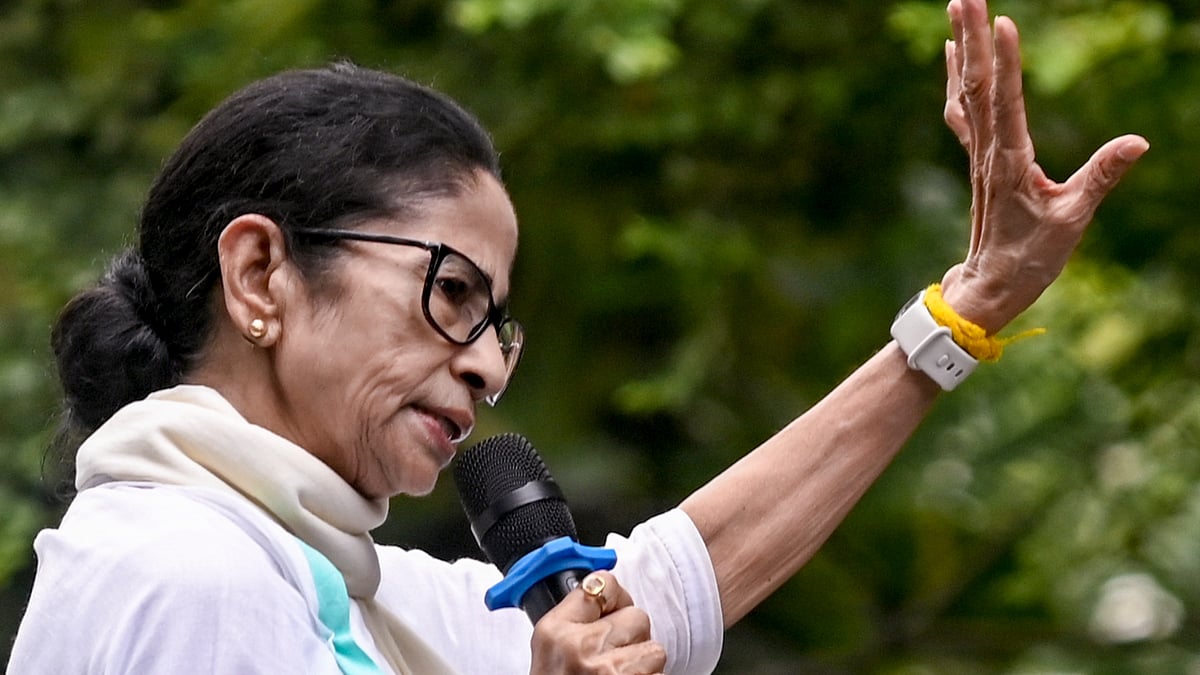
The battle for control of the Trinamool Congress (TMC) has entered another tense phase in West Bengal, with party supremo and former West chief minister Mamata Banerjee writing to the Election Commission of India (ECI) for the second time and seeking an early decision on the dispute over the party’s name, twin-flower symbol and funds.
In her latest letter to chief election commissioner Gyanesh Kumar on Monday, 31 August, Banerjee said, “Please reach a decision quickly; a long time has already passed.” Her appeal came after the month in which the ECI was expected to settle the dispute ended without a final decision.
The latest letter has also raised a new political question. Sources said communications from several MLAs were attached to Mamata’s letter. The legislators are understood to have alleged that they had been “misled”. Their identities have not been disclosed.
That has triggered speculation within political circles over whether some MLAs in the Ritabrata camp are reconsidering their position and seeking a return to Mamata’s camp — and, if so, how many could be involved.
The row pits the Mamata-led Kalighat camp against the rebel faction headed by West Bengal leader of the opposition Ritabrata Banerjee. The latter claims to be the “real Trinamool Congress”, citing the support of a majority of the party’s elected representatives. The Mamata camp, meanwhile, maintains that the rebels have no right to claim the organisation after being expelled.
The dispute has moved beyond an internal political quarrel and into the ECI and the courts, with the Trinamool’s most recognisable political asset — its ‘jora-phul’ or twin-flower symbol — at the centre of the battle.
Ritabrata’s faction approached the ECI in July, claiming it had the numbers to represent the legitimate Trinamool. After meeting the full Commission, Ritabrata said, “We are the TMC as we have over two-thirds majority.” He claimed the faction had the backing of a majority of MLAs, former ministers, councillors and zilla parishad members.
The ECI subsequently asked both sides to respond to their rival claims and submit documents on the party’s organisational structure and authorised signatories. The deadline for the initial replies was 6 July.
The Kalighat camp submitted its documents, with MPs Mahua Moitra and Sagarika Ghose representing the faction before the poll panel. The Ritabrata camp, however, sought additional time to prepare its evidence. Banerjee objected, arguing that the rival faction should not be allowed to prolong the proceedings.
The disagreement over the extension reflects a larger dispute over the basis on which the ECI should decide the case: whether numerical strength should be the primary consideration or whether it should determine which organisation has the stronger claim to continuity, constitution and established party machinery.
Mamata has herself dismissed the threat to the symbol. “I don't care about the party symbol, though I know they won't be able to snatch it away,” she had said. She also maintained, “Individuals may leave, but an institution does not cease to exist.”
The battle has, meanwhile, spread beyond the ECI. Ritabrata’s position as leader of opposition has also been challenged in court. A division bench of the Calcutta High Court has treated his position as provisional, leaving the final determination to the single bench.
The judicial uncertainty mirrors the broader political contest: the person occupying the opposition leader’s chair is simultaneously leading a faction seeking recognition from the ECI as the legitimate Trinamool Congress.
Join our official telegram channel (@nationalherald) and stay updated with the latest headlines