


Boeing 737 MAX software glitch draws attention in India as FAA begins review
Air India Express and Akasa Air operate about 100 MAX aircraft between them; it remains unclear how many have the affected software
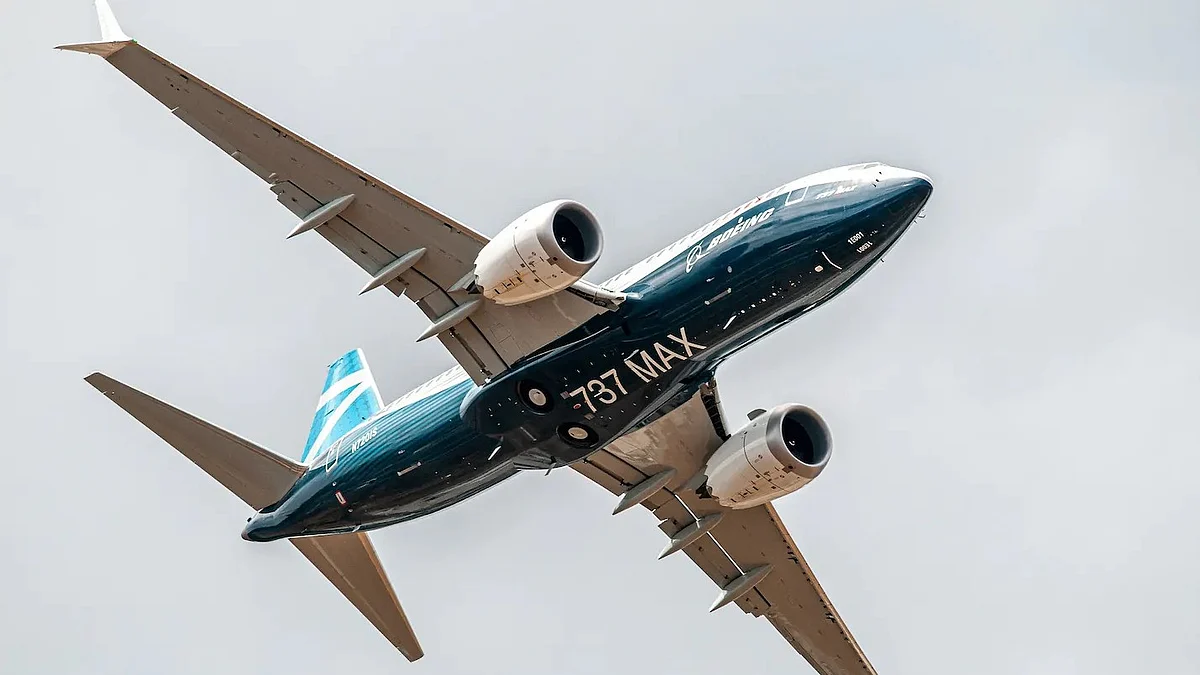


Boeing has alerted 737 operators to a software issue affecting automated vertical guidance during a specific aborted landing sequence
Air India Express and Akasa Air operate about 100 737 MAX aircraft between them, but the number with the affected software is unclear
Boeing says existing pilot procedures can manage the situation, while the FAA is reviewing whether further action is needed
A software issue identified in Boeing’s 737 MAX family has drawn attention in India, where Air India Express and Akasa Air operate about 100 of the aircraft between them. There is no indication that all those planes have the affected software, and flights are continuing under existing rules as US regulators examine the problem.
The issue can arise during a specific sequence following an aborted landing, or go-around. If pilots change the flight path programmed into the aircraft’s flight-management computer, its automated vertical navigation function, known as VNAV, may disengage. Boeing has said the autopilot can remain engaged even when VNAV is unavailable.
A go-around is a normal procedure when a crew cannot safely complete a landing, whether because of weather, runway conditions, another aircraft or an unstable approach. Pilots climb away and prepare to try again. That can already be a demanding stage of flight as crews must manage altitude and speed while adjusting their route and communicating with air traffic control. Losing VNAV at that point could add to their workload, although pilots are trained to fly and land without it.
“Last month, we informed all 737 operators about a software issue where pilots may not have access to automated flight guidance during a specific landing scenario,” Boeing said in a statement. The company has advised operators on existing procedures for handling the situation and is working on a permanent software fix.
VNAV helps an aircraft follow a planned altitude profile. Its loss during a go-around could add to pilots’ workload as they manage the climb and prepare for another approach. Boeing says crews are trained to handle the situation safely using other available controls and procedures.
The US Federal Aviation Administration (FAA) is reviewing the software issue and plans to convene a Corrective Action Review Board. It has said it will act if the review identifies a safety concern. The affected software is associated with the newer MAX 7 and MAX 10 variants, but it remains unclear how many aircraft operating worldwide use it.
Air India Express has over 50 MAX aircraft, while Akasa Air also operates the model. No fleet-wide grounding has been announced over the issue. The problem concerns automated vertical guidance in a narrowly defined missed-approach scenario; it does not mean the entire autopilot system shuts down during a normal flight.
The extent of its use in aircraft already flying is still being assessed. Alaska Airlines, American Airlines, Southwest Airlines and United Airlines told CBS News that their in-service MAX jets do not use the affected software versions. Southwest and United have also reportedly asked Boeing to supply forthcoming aircraft with an earlier software version instead.
The disclosure comes against the 737 MAX’s history of scrutiny. The aircraft family was grounded worldwide after crashes in 2018 and 2019 that killed 346 people, and Boeing faced renewed examination after a door plug detached from an Alaska Airlines MAX 9 in 2024.
The newly reported issue is distinct: it concerns vertical guidance during a narrowly defined go-around sequence, rather than evidence that the entire autopilot switches off in normal flight. The FAA’s review will determine whether Boeing’s guidance is sufficient or further action is required.
With agency inputs
Join our official telegram channel (@nationalherald) and stay updated with the latest headlines