


Centre hikes petrol export duty, cuts diesel and ATF levies. What this means
Petrol export duty has been raised to Rs 4/litre, while diesel and ATF export levies have been cut to Rs 8.5/litre and Rs 7.5/litre, respectively
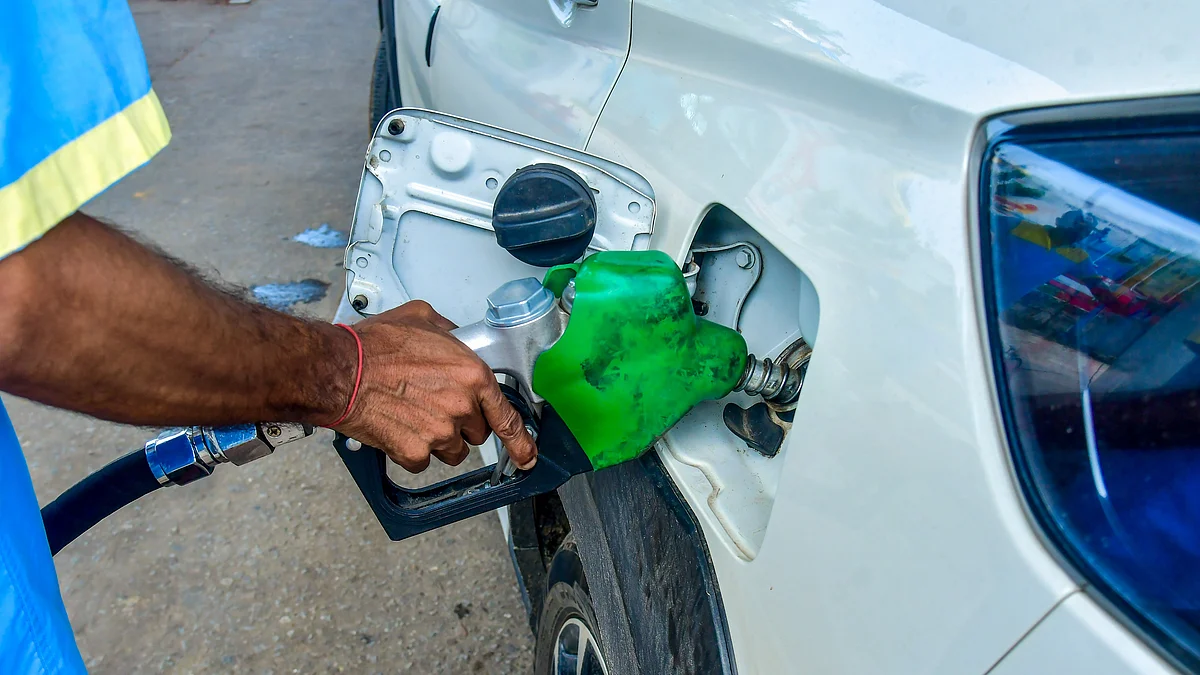


The Centre has revised the Special Additional Excise Duty (SAED) on petroleum exports, raising the export duty on petrol while reducing levies on diesel and aviation turbine fuel (ATF). The revised rates, notified by the finance ministry, came into effect on 1 July.
Under the new structure, the petrol export duty has been raised to Rs 4 per litre, while diesel and ATF export levies have been reduced to Rs 8.5 per litre and Rs 7.5 per litre, respectively.
The finance ministry said there is no change in excise duty on petrol and diesel sold in the domestic market, meaning the revision will not directly impact retail fuel prices.
What changes?
The revised duty structure increases the tax burden on petrol exports while easing it for diesel and ATF shipments. Exporters of petrol will now pay a higher levy, whereas refiners exporting diesel and jet fuel will face lower duties than before.
What does it mean?
The move alters the economics of fuel exports. A higher levy on petrol could reduce the attractiveness of overseas sales, while the lower duties on diesel and ATF may improve export margins for refiners, depending on prevailing global crude prices and refining spreads.
The changes also reflect the government's fortnightly review mechanism for windfall taxes, under which duties are adjusted in line with movements in international oil prices and refining margins.
The export duty regime was introduced earlier this year after crude prices surged amid geopolitical tensions in West Asia, prompting concerns over domestic fuel availability. Duties on diesel and ATF exports were imposed in March, while the levy on petrol exports was introduced from 16 May.
In the previous review, the government had increased export duties on diesel and ATF while leaving the petrol levy unchanged. The latest revision reverses that trend by easing the burden on diesel and jet fuel exports while increasing it for petrol.
The windfall tax framework was introduced to regulate exports during periods of elevated global oil prices and ensure adequate domestic availability of petroleum products. With international crude prices easing in recent weeks, the latest revision signals another recalibration of the export duty structure, while leaving domestic fuel taxes unchanged.
With IANS inputs
Join our official telegram channel (@nationalherald) and stay updated with the latest headlines