


Global oil prices fall for second day after Trump signals possible Iran deal
Crude markets ease amid hopes of diplomatic progress between Washington and Tehran despite ongoing regional uncertainty
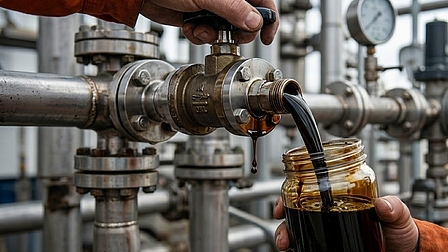


Global crude oil prices declined for a second straight session on Wednesday after US President Donald Trump suggested the conflict involving Iran could be resolved “very quickly”, raising expectations of a possible diplomatic breakthrough.
International benchmark Brent crude futures fell nearly 0.9 per cent, or close to one dollar, to trade at USD 110.28 per barrel. US West Texas Intermediate (WTI) crude also dropped around 1 per cent, declining USD 1.03 to USD 103.12 per barrel.
Both benchmarks had already retreated by almost a dollar in the previous session following indications of progress in discussions between Washington and Tehran.
Market analysts said investor sentiment improved after Trump signalled optimism over negotiations with Iran, although uncertainty surrounding the broader geopolitical situation continued to keep traders cautious.
Speaking at the annual Congressional Picnic, Trump said the conflict with Iran could end rapidly and claimed Tehran was eager to reach an agreement with the United States.
“They want to make a deal so badly,” Trump said, while also predicting a significant fall in global oil prices due to ample supply in the market.
“There’s so much oil out there, prices are going to fall sharply,” he added.
Despite the recent pullback in crude prices, experts said the near-term outlook for oil remains cautiously bullish given the fragile security situation in West Asia and ongoing concerns over regional supply disruptions.
Investors are closely watching developments surrounding negotiations between the US and Iran, amid mixed signals from Washington over the prospects for a lasting peace agreement.
Global financial institutions also warned that oil markets remain vulnerable to fresh supply shocks. Citigroup said it expects Brent crude prices to rise towards USD 120 per barrel in the near term.
Meanwhile, Morgan Stanley described the market as being in “a race against time”, warning that factors currently helping to contain prices could weaken if disruptions in the Strait of Hormuz continue into June.
The brokerage noted that stronger US crude exports and softer demand from China had so far helped cushion the global market from more severe supply pressures.
With IANS inputs
Join our official telegram channel (@nationalherald) and stay updated with the latest headlines