


Gold and silver ETFs slide sharply as tariff fears ease, analysts urge caution
Profit-taking follows geopolitical de-escalation, with experts divided on whether investors should buy the dip
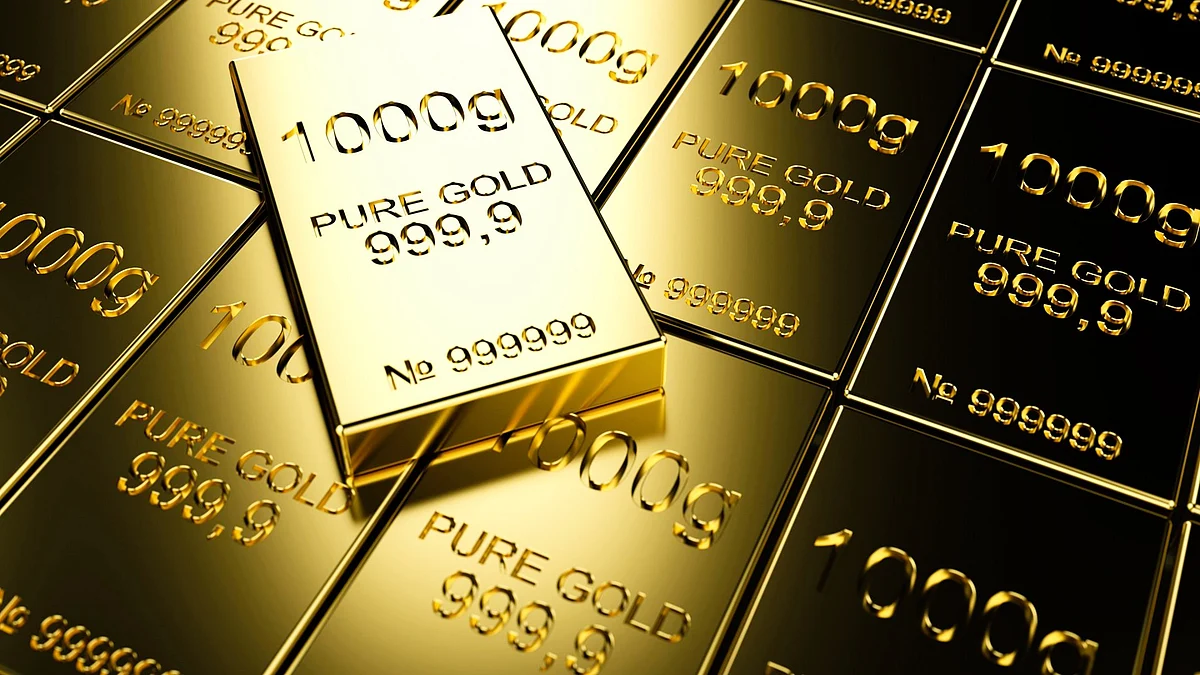


Gold and silver exchange traded funds (ETFs) saw steep losses on Wednesday as easing geopolitical tensions triggered heavy profit-taking in precious metals, prompting mixed advice from analysts on whether investors should step in or wait for further consolidation.
The sharp correction followed comments by US President Donald Trump indicating that tariff threats against Europe would not be implemented and that military force would not be used to assert control over Greenland. The remarks reduced global risk aversion, leading investors to rotate out of traditional safe-haven assets such as gold and silver.
Among the hardest hit were silver ETFs. The Tata Silver ETF fell as much as 21 per cent intraday, while the Birla Sun Life Gold ETF declined nearly 12 per cent before recovering part of its losses. The sell-off mirrored declines in underlying spot prices, which had surged to record highs earlier amid heightened geopolitical uncertainty.
Trump said he had agreed on the outlines of a framework with Nato on Greenland’s future and confirmed that tariffs scheduled to take effect from 1 February would be dropped. Speaking in Davos, he also ruled out the use of force, a statement that analysts said marked a decisive shift in market sentiment.
“Today’s sharp slump in silver and gold ETFs reflects an abrupt change in macro sentiment rather than a breakdown in precious metals fundamentals,” said Justin Khoo, senior market analyst for Asia-Pacific at VT Market. He added that the move appeared driven by profit-booking and portfolio rebalancing as equity markets rallied.
Gold and silver had rallied strongly in recent weeks after Trump’s earlier tariff threats and comments on Greenland heightened tensions between the US and Europe, driving demand for safe-haven assets. With those risks now receding, investors moved quickly to lock in gains.
Market views are now split on the next course of action. Tanvi Kanchan, associate director at Anand Rathi Share and Stock Brokers, said some investors see the correction as a buying opportunity, while others fear prices had become overheated after sharp gains earlier this year.
Despite near-term volatility, Kanchan said the long-term case for precious metals remains intact, supported by strong industrial demand from sectors such as solar energy, electric vehicles and artificial intelligence infrastructure, alongside their role as portfolio hedges.
“Given ongoing conflicts in the Middle East and Ukraine, US-China tensions and uncertainty around global trade policies, gold and silver continue to be relevant as defensive assets,” she said. However, she warned that timing a single entry point after such rapid gains is risky, recommending staggered investments over several weeks or months instead of lump-sum allocations.
For conservative investors, experts suggested limiting exposure to 5–10 per cent of a portfolio through systematic investments in precious metals ETFs to reduce timing risk while retaining diversification benefits.
Khoo said that structural drivers such as central bank gold buying, long-term demand and inflation hedging remain supportive, but cautioned against aggressive short-term trading given the likelihood of continued volatility.
Others also expect choppiness ahead. Siddharth Maurya, founder and managing director at Vibhavangal Anukulakara, attributed the correction to unwinding of risk-off positions after prices hit record levels. While demand-supply dynamics remain favourable, he said short-term fluctuations are likely.
Nirpendra Yadav, senior commodity research analyst at Bonanza, told Moneycontrol that global uncertainty, expectations of softer real interest rates and sustained central bank demand mean gold will continue to play an important role in portfolio diversification.
Explaining the sharper fall in silver ETFs compared with domestic futures, Harshal Dasani, business head at INVasset PMS, told the business news website Indian silver prices had moved into a speculative premium ahead of the Union Budget on expectations of import duty changes. As those hopes faded, the premium unwound quickly, with ETFs reacting faster due to investor outflows.
With sentiment still fragile, analysts broadly agree that disciplined accumulation rather than aggressive positioning may be the safer approach until markets stabilise.
With agency inputs
Join our official telegram channel (@nationalherald) and stay updated with the latest headlines