


India backs WTO fisheries pact, retains demand for fairer Phase 2 rules
Government says ratification targets harmful fishing practices without diluting India’s push for safeguards for small-scale and artisanal fishers
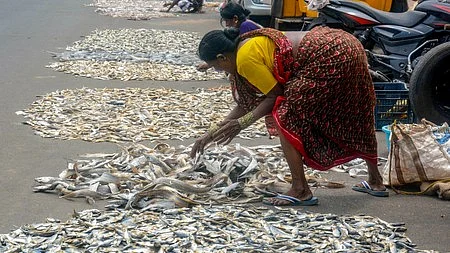


India says its ratification of Phase 1 of the WTO fisheries subsidies agreement targets harmful fishing practices while safeguarding small-scale fishers’ interests
Subsidies linked to overcapacity and overfishing remain part of Phase 2 negotiations, where India seeks greater flexibility for developing countries
India continues to press for a 25-year transition period within developing countries’ exclusive economic zones and a per-fisher benchmark for assessing subsidies
India’s acceptance of the first phase of the World Trade Organization’s Agreement on Fisheries Subsidies does not dilute its demand for more flexible rules for developing countries in subsequent negotiations, the Ministry of Fisheries, Animal Husbandry and Dairying said on Thursday.
The ministry described ratification as a pragmatic measure to address damaging fishing practices while retaining room for policies that support small-scale and artisanal fishing communities.
India deposited its Instrument of Acceptance on 20 July 2026. The first phase targets subsidies associated with illegal, unreported and unregulated fishing, overfished stocks and unregulated fishing on the high seas, the statement said.
The more contentious questions of subsidies contributing to overcapacity and overfishing remain under Phase 2 negotiations. These include support for fuel, fishing gear, ice, vessel construction and modernisation.
Citing the views of former ICAR–Central Institute of Fisheries Education scientist Dr M. Krishnan and Bay of Bengal Programme Inter-Governmental Organisation director, Dr P. Krishnan, the ministry said India continued to seek fair and differentiated treatment for developing countries.
India supports restrictions on the most harmful fishing practices but maintains that conservation measures must also account for the livelihoods and development needs of coastal communities.
Its negotiating position includes a demand for a 25-year transition period for developing countries within their exclusive economic zones. Acceptance of Phase 1 leaves that demand intact, the ministry said.
India also wants subsidies assessed on a per-fisher basis. It argues that comparisons must recognise differences in fishing capacity, the scale of operations and government support rather than relying on measures that obscure those disparities.
The statement highlighted the importance of fisheries across the Bay of Bengal region, where millions of small-scale fishers depend on the sector for employment and food security.
It said international subsidy rules must reflect the circumstances of artisanal and coastal fisheries in developing countries, where public assistance often protects livelihoods rather than financing industrial expansion.
With IANS inputs
Join our official telegram channel (@nationalherald) and stay updated with the latest headlines