


India’s Russian oil imports fall 15% in April amid refinery shutdowns
CREA report says maintenance at Nayara Energy refinery reduced crude intake, while uncertainty grows over US sanctions waiver
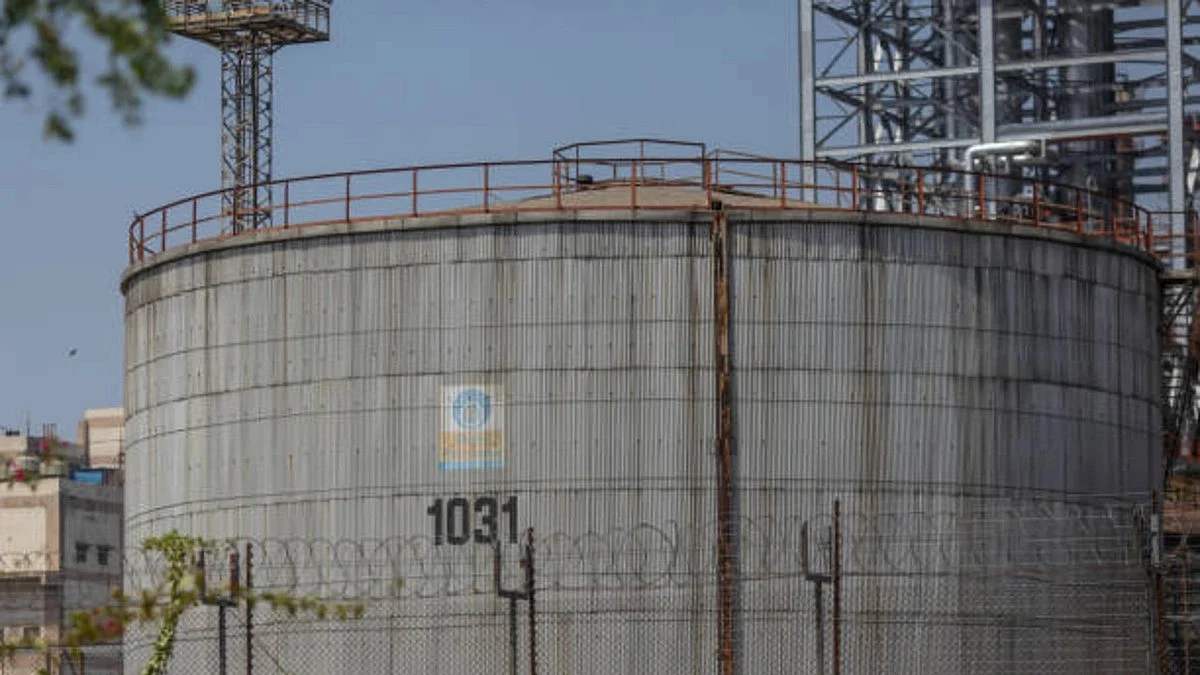


India’s imports of Russian crude oil declined by 15 per cent in April to €4.5 billion ($5.27 billion), down from €5.3 billion ($6.26 billion) in March, according to fresh data released by the Centre for Research on Energy and Clean Air (CREA).
The Helsinki-based think tank attributed the fall largely to reduced intake at Nayara Energy’s Vadinar refinery, which underwent a maintenance shutdown beginning on 9 April.
Despite the decline, India retained its position as the world’s second-largest buyer of Russian oil and fossil fuels, moneycontrol reported.
CREA said Russian crude unloading patterns shifted significantly across Indian refineries during the month. Imports at Vadinar and Reliance Industries’ Jamnagar refinery reportedly dropped by nearly 92 per cent and 38 per cent respectively, while intake at Indian Oil’s Vadinar facility increased by 87 per cent.
“The decline in Vadinar refinery’s Russian crude imports was driven by maintenance-related shutdowns beginning on 9 April 2026, as the refinery runs exclusively on Russian feedstock,” the report stated.
The data also showed that state-owned refineries in New Mangalore (MRPL) and Visakhapatnam (HPCL), which had halted Russian crude purchases in late 2025, resumed imports in March and continued buying in April. Russian crude intake at the Visakhapatnam refinery surged by 149 per cent month-on-month.
Analysts warned that Indian refiners could face complications if the United States does not extend its waiver allowing purchases of Russian oil beyond the 16 May deadline.
Although India has continued importing Russian crude throughout the Ukraine conflict, the US waiver specifically permitted transactions involving sanctioned Russian entities such as Rosneft and Lukoil.
According to CREA, India imported Russian fossil fuels worth a combined €5 billion ($5.86 billion) in April. Crude oil accounted for around 90 per cent of purchases at €4.5 billion, followed by coal imports valued at €297 million ($347.83 million) and oil products worth €209 million ($244.77 million).
The report also highlighted a sharp rise in the price of Russia’s Urals crude blend, which climbed 19 per cent month-on-month in April to an average of $112.3 per barrel.
That figure remained well above the revised European Union and UK price cap of $44.1 per barrel introduced in February 2026.
CREA said demand for Russian crude had strengthened after the extension of the US sanctions waiver, while tanker shortages and wider market pressures also contributed to higher prices.
“In April, the price discount of Urals-grade crude oil relative to the global benchmark Brent narrowed sharply as demand for Russian crude increased,” the report noted.
The think tank argued that Western price caps on Russian oil had failed to create a lasting reduction in Moscow’s export earnings, claiming the measures had only delivered limited and temporary effects on selected crude grades and shipping routes.
Join our official telegram channel (@nationalherald) and stay updated with the latest headlines