


India–UK free trade agreement set for April rollout
Deal awaiting UK parliamentary approval expected to boost Indian exports and deepen bilateral trade ties
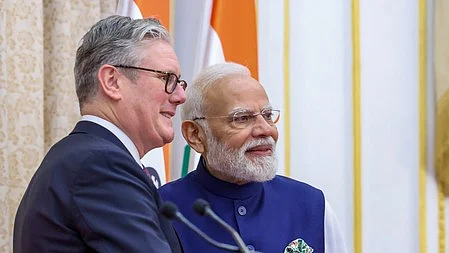


The India–UK Free Trade Agreement (FTA) is expected to be implemented from April this year, subject to approval by the British Parliament, a senior official said on Sunday. The agreement, signed in July last year, is currently under consideration in both Houses of Parliament in the United Kingdom.
Once in force, the pact will grant zero-duty access to 99 per cent of Indian exports to the UK, significantly enhancing opportunities for a range of sectors. Labour-intensive industries such as textiles, marine products, leather, footwear, sports goods, toys, and gems and jewellery are poised to benefit. Key manufacturing segments including engineering goods, automobile components and engines, as well as organic chemicals, are also expected to gain from improved market access.
Officials said the agreement also addresses non-tariff barriers to ensure that regulatory measures do not create unnecessary obstacles to Indian exports of goods and services.
The successful conclusion of the negotiations was announced in May last year by Prime Minister Narendra Modi and his British counterpart Keir Starmer following a telephone conversation between the two leaders.
In addition to the FTA, the two countries have signed a Double Contribution Convention aimed at protecting the interests of Indian professionals working temporarily in the UK. Under this arrangement, Indian employees and their employers will be exempt from paying social security contributions in the UK for up to three years, improving the competitiveness of Indian service providers.
The agreement is also expected to provide a boost to trade in services, including information technology and IT-enabled services, financial and professional services, business services and education.
As part of the deal, India will reduce tariffs on Scotch whisky from 150 per cent to 75 per cent initially, with a further cut to 40 per cent by 2035. Import duties on automobiles will also be lowered from levels of up to 110 per cent to 10 per cent over five years under a quota-based mechanism. In return, Indian manufacturers will gain access to the UK market for electric and hybrid vehicles within agreed quotas.
The FTA comes amid expanding economic ties between the two nations. Bilateral trade currently stands at around $60 billion and is projected to double by 2030, reflecting growing commercial engagement between India and the United Kingdom.
With IANS input
Join our official telegram channel (@nationalherald) and stay updated with the latest headlines