


Iran conflict driving temporary price pressures, says US treasury secretary
Scott Bessent tells lawmakers fuel and consumer costs will ease as markets stabilise, amid Democratic criticism over inflation and household expenses
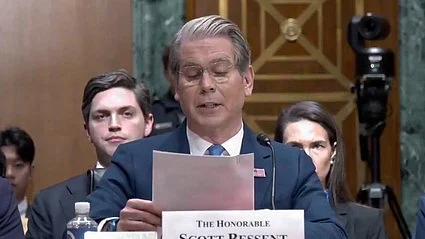


US treasury secretary Scott Bessent has sought to reassure lawmakers that recent increases in fuel and consumer prices linked to the conflict involving Iran are temporary, arguing that the American economy remains resilient despite mounting concerns over inflation and the cost of living.
Appearing before the House Ways and Means Committee on Thursday, Bessent faced sharp questioning from Democratic lawmakers who accused the Trump administration of failing to shield households from rising costs triggered by geopolitical tensions and trade policies.
During the hearing, Democrats repeatedly pointed to higher fuel prices, increased household expenses and inflationary pressures as evidence that American families were facing growing financial strain.
Bessent acknowledged that the conflict involving Iran had affected energy markets and contributed to higher prices but insisted the impact would be short-lived.
He told lawmakers that the current rise in prices was a temporary consequence of the geopolitical situation and would ease once conditions stabilised.
The treasury secretary maintained that the broader economy remained on a strong footing, citing employment growth, private-sector investment and rising wages as indicators of economic health.
His assessment was challenged by several Democratic members of the committee, who argued that consumers were experiencing a very different reality.
Representative Richard Neal, the ranking Democrat on the committee, contended that households were being forced to spend more on everyday essentials and linked the pressure on family budgets to both tariffs and the fallout from the Iran conflict.
Other lawmakers highlighted rising petrol prices, grocery bills and household expenses as signs that inflation remained a significant concern for many Americans.
During the hearing, Bessent agreed that fuel prices had risen in response to the conflict but argued that energy markets were already beginning to adjust.
He told lawmakers that crude oil prices had fallen substantially from recent highs and noted that petrol prices typically follow broader movements in crude markets.
Bessent also pointed to a decline in core inflation since President Donald Trump returned to office, arguing that underlying price pressures were moving in the right direction despite short-term volatility caused by global events.
Defending the administration's broader approach, he said preventing Iran from acquiring nuclear weapons remained a vital national security objective and justified temporary economic disruptions.
According to Bessent, the long-term consequences of allowing Iran to threaten global energy supplies or develop nuclear capabilities would be far more damaging than the short-term impact currently being felt by consumers.
The hearing highlighted the growing political debate in Washington over the economic consequences of the Iran conflict. While Republicans largely backed the administration's position and emphasised national security concerns, Democrats argued that ordinary Americans were shouldering the cost through higher prices and reduced purchasing power.
With fuel prices and inflation likely to remain central issues ahead of future political battles, the administration faces continued scrutiny over whether geopolitical tensions abroad are translating into economic pain at home.
With IANS inputs
Join our official telegram channel (@nationalherald) and stay updated with the latest headlines