


Jet fuel prices in India surge past Rs 2 lakh mark amid global oil spike
LPG rates also hiked, with a 19-kg cylinder up by Rs 195.50 to Rs 2,078.50 in Delhi
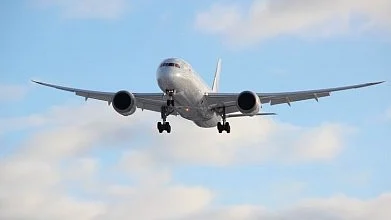


Aviation turbine fuel (ATF) prices in India have crossed the Rs 2 lakh per kilolitre threshold for the first time, reflecting a sharp escalation in global crude oil rates linked to the ongoing conflict in West Asia. The unprecedented rise is expected to intensify financial pressure on airlines and likely push airfares higher in the coming weeks.
According to state-owned fuel retailers, ATF prices in Delhi were increased by over Rs 1.1 lakh per kilolitre — a steep jump of 114.5 per cent — taking the rate to Rs 2,07,341.22 per kl. This marks a significant leap from previous highs, surpassing the earlier peak recorded in 2022 following the Russia-Ukraine conflict.
This latest revision follows a smaller increase at the start of March, when prices rose by 5.7 per cent. Fuel costs, which account for roughly 40 per cent of an airline’s operating expenses, are now placing considerable strain on carriers already dealing with operational disruptions.
The rise in fuel prices coincides with ongoing airspace restrictions in parts of West Asia, forcing airlines to take longer routes for international flights. These diversions are increasing fuel consumption and adding further to operational costs
Commercial liquefied petroleum gas (LPG) prices have also been raised, with rates for a 19-kg cylinder increasing by Rs 195.50 to Rs 2,078.50 in Delhi. However, domestic LPG prices remain unchanged.
The surge in ATF prices is being driven by a combination of rising global crude oil rates — which have climbed nearly 50 per cent amid supply disruptions — and the depreciation of the Indian rupee. Since aviation fuel is priced in US dollars, a weaker rupee amplifies costs for Indian carriers, particularly on international routes.
Industry experts suggest that airlines may have little choice but to pass on the increased costs to passengers. Some carriers have already introduced fuel surcharges, and further fare hikes are expected as companies attempt to protect already thin profit margins.
The situation has prompted calls for government intervention. Civil aviation minister Ram Mohan Naidu has reportedly urged state governments to consider reducing value-added tax (VAT) on jet fuel, which currently ranges between 18 and 29 per cent in key aviation hubs such as Delhi, Maharashtra and Tamil Nadu.
With geopolitical tensions showing no immediate signs of easing and oil markets remaining volatile, the aviation sector is likely to face continued pressure. Much will depend on how the conflict evolves and whether global energy prices stabilise in the near future.
With PTI inputs
Join our official telegram channel (@nationalherald) and stay updated with the latest headlines