


Chandrasekaran’s future at Tata Sons under scrutiny ahead of key June board meeting
Chandrasekaran to present a revised plan focused on profitability at Air India, Tata Digital, and electronics manufacturing
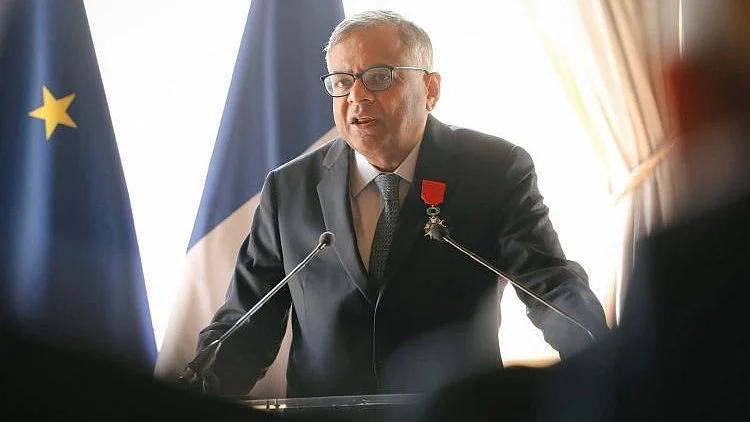


The June board meeting at Tata Sons has taken on added significance after a February discussion ended without clarity on N. Chandrasekaran’s reappointment, leaving key questions over the conglomerate’s leadership unresolved.
The postponement, moneycontrol reported, followed objections from Noel Tata, head of Tata Trusts, bringing wider governance and strategic issues into the spotlight. These concerns are understood to go beyond leadership continuity, encompassing capital allocation, financial performance across group companies and the locus of decision-making authority within the conglomerate.
Under Article 121A of the company’s Articles of Association, any appointment or reappointment of the chairman requires prior approval from the Trusts. This effectively means that both Trust-nominated directors on the board — Noel Tata and Venu Srinivasan — must back Chandrasekaran’s continuation for a fresh term to be approved.
Although the boards of the principal Tata Trusts had unanimously endorsed a new five-year term for Chandrasekaran in July 2025 after he presented a detailed business plan, that strategy is now being reassessed. Sources indicate that shifting business dynamics and mounting losses in certain ventures have reduced the relevance of the earlier roadmap.
Chandrasekaran is now expected to present a revised plan, with a sharper focus on profitability in key businesses such as Air India, Tata Digital and the group’s electronics manufacturing operations. Stakeholders are said to be seeking clearer execution timelines and greater certainty on returns.
Observers quoted by moneycontrol point to a marked contrast between Chandrasekaran’s first term, which began in 2017 following the exit of Cyrus Mistry, and his current tenure. While his initial years were credited with restoring financial discipline and stability, his second term has drawn criticism over the performance of newer, consumer-facing businesses.
There is also increasing pressure to address loss-making ventures, with some voices within the group calling for either restructuring or divestment.
The concerns come against the backdrop of weakening market performance. In 2025 alone, the combined market capitalisation of listed Tata companies declined by around Rs 3 lakh crore, with major firms such as Tata Consultancy Services and Tata Motors seeing notable corrections.
Since the start of Chandrasekaran’s second term in February 2022, the benchmark Nifty 50 has risen 30.4 per cent, while Tata Consultancy Services has fallen 33 per cent.
In addition to performance concerns, questions around a potential listing of Tata Sons have resurfaced. Following the February board meeting, reports suggested that Noel Tata sought assurances that the holding company would not pursue a public listing.
This issue is closely linked to the interests of the Shapoorji Pallonji Group, which holds an 18.38 per cent stake in Tata Sons and has long explored avenues to unlock value from its investment. However, sources indicate that no formal approach has been made to the group on this matter, with one official noting that multiple options for liquidity remain available.
With governance questions, strategic direction and shareholder considerations all converging, the June board meeting is expected to be critical in shaping the future leadership and direction of the Tata Group.
Join our official telegram channel (@nationalherald) and stay updated with the latest headlines