


Oil extends slide towards $91 as Trump signals pause in Iran strikes
Hopes of easing West Asia tensions offer relief over energy costs, but the continuing Hormuz blockade and uncertainty over talks keep investors cautious
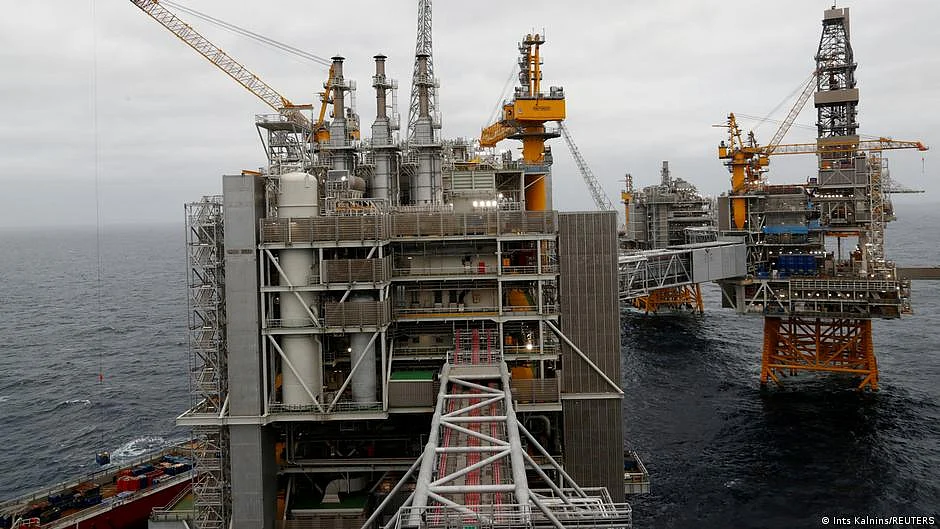


Brent crude fell towards $91 a barrel as Trump signalled a pause in further strikes on Iran
Hopes of easing tensions supported financial markets, although the continuing Strait of Hormuz blockade kept supply concerns alive
Investors awaited US inflation figures and major oil market reports for direction on interest rates, demand and supply
Global crude oil prices extended their decline on Tuesday as US President Donald Trump signalled restraint over further military strikes on Iran, raising hopes of reduced tensions in West Asia and easing concerns about prolonged disruption to energy supplies.
Brent crude traded near $91 a barrel following a fall of almost 6 per cent in the previous session, when it reached its lowest level since August. Trump’s indication that additional strikes might be unnecessary helped improve market sentiment, Moneycontrol reported.
Earlier figures placed Brent futures at $91.33 a barrel, down $1.24, or 1.33 per cent. US West Texas Intermediate crude futures declined $1.31, or 1.5 per cent, to $85.54 a barrel.
The retreat reflected expectations that a pause in military action could reduce the risk of further damage to energy infrastructure and interruptions to shipments from the region.
According to reports, Trump’s decision to hold off on fresh strikes followed appeals from regional countries, including Qatar. He made the remarks after meeting Qatar’s prime minister at the White House.
However, the prospect of reduced military activity did not remove all concerns over supply. Trump indicated that the naval blockade in the Strait of Hormuz would remain in place for now, leaving uncertainty over a crucial route for global energy shipments.
Questions also persisted over the likelihood of a diplomatic breakthrough. Reports cited senior US and Gulf officials expressing doubts about an imminent agreement between Washington and Tehran. Iran’s security council chief Mohsen Rezaei rejected reports of ongoing negotiations, describing the accounts as fabricated.
Market experts said diplomatic signals were putting downward pressure on crude, although continuing geopolitical tensions and shipping risks could limit further declines.
The fall in oil prices provided some relief to equity markets by tempering concerns about inflation. S&P 500 futures rose 0.2 per cent, while Nasdaq 100 futures were largely unchanged. European stock futures advanced 0.9 per cent.
GIFT Nifty gained more than 0.8 per cent, pointing towards a firmer opening for Indian equities on Wednesday. Domestic exchanges were closed on Tuesday for Diwali Balipratipada. In Monday’s session, benchmark indices had recovered from early losses to finish at their highest levels in more than eight months.
Investors were also awaiting October’s US inflation figures, which could influence expectations for the Federal Reserve’s December interest rate decision. Economists expected a moderate rise in consumer prices, according to the report.
For the oil market, forthcoming monthly assessments from the US Energy Information Administration, the Organisation of the Petroleum Exporting Countries and the International Energy Agency were expected to provide further indications of production, consumption and the global supply balance.
With IANS inputs
Join our official telegram channel (@nationalherald) and stay updated with the latest headlines