


Oil prices swing wildly as markets grapple with impact of Iran conflict
Uncertainty over Strait of Hormuz and possible emergency reserve release fuels volatility in global energy markets
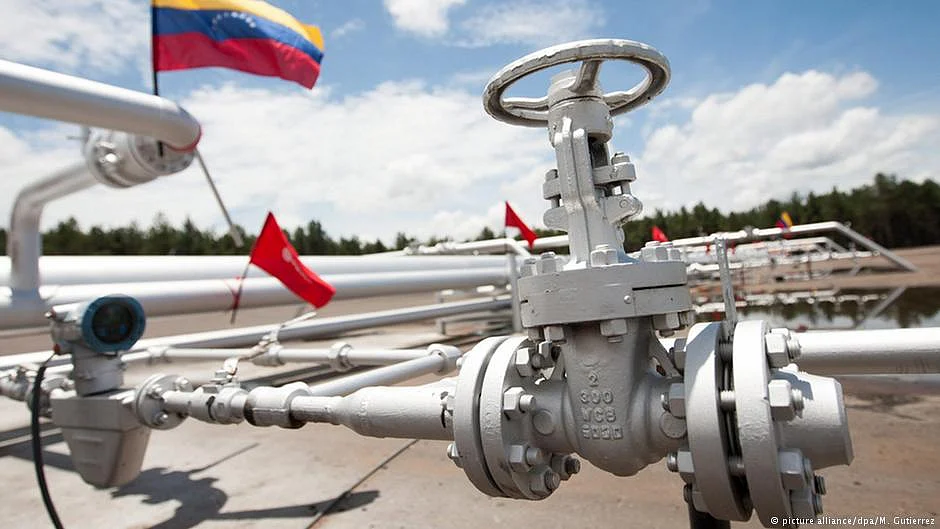


Global oil prices have been swinging sharply as traders attempt to assess the consequences of the escalating conflict involving the United States, Israel and Iran.
Al Jazeera reported on Tuesday that Brent Crude, the international oil benchmark, plunged by about 17 per cent to drop below $80 a barrel before rebounding close to $90. The recovery followed a social media post by Chris Wright claiming that the US Navy had escorted an oil tanker through the Strait of Hormuz.
The post was later deleted, and Karoline Leavitt subsequently clarified that no armed escort had taken place through the strait, where shipping activity has been severely disrupted amid threats from Iran.
Prices dropped again early on Wednesday after The Wall Street Journal reported that the International Energy Agency was considering the largest release of strategic oil reserves in its history to stabilise global supply. Following the report, Brent crude futures were trading below $85 a barrel around 02:00 GMT.
Despite the fluctuations, oil prices remain significantly higher than before the conflict intensified. Brent crude had surged as much as 50 per cent to nearly $120 a barrel at one point before retreating, but prices are still roughly 17 per cent above levels recorded prior to joint US and Israeli strikes on Iran on 28 February.
Energy markets have been on edge amid a near halt in traffic through the Strait of Hormuz, a crucial maritime passage that carries around one-fifth of the world’s oil supply. The disruption has coincided with attacks on energy infrastructure across parts of the Middle East.
With shipments stalled, major regional producers including Saudi Arabia, United Arab Emirates, Kuwait and Iraq have reportedly reduced production as crude inventories build up and storage capacity tightens.
Analysts warn that a prolonged rise in oil prices could have wide-ranging effects on the global economy by driving up the cost of goods and slowing growth.
Research by the International Monetary Fund suggests that every 10 per cent increase in oil prices is associated with a 0.4 per cent rise in inflation and a 0.15 per cent decline in economic growth.
Fuel costs have already risen in several countries. Petroleum prices in the United States have climbed about 17 per cent since the conflict began, while governments in South Korea, Thailand, Bangladesh and Pakistan have introduced measures such as price caps and rationing to limit the impact on consumers.
Donald Trump has repeatedly suggested that the US Navy could intervene to ensure the Strait of Hormuz remains open if required. However, some analysts question how practical such a move would be given the growing backlog of ships and the threat posed by drones and missiles launched from Iranian territory.
The US military said on Tuesday that it had struck 16 Iranian vessels suspected of laying mines near the strait after Washington warned Tehran against attempting to block the waterway.
Uncertainty has been further fuelled by mixed signals from the White House about how long the conflict might last. Trump said earlier this week that the war could end “very soon”, but he also insisted that US strikes would continue until the enemy was “totally and decisively defeated”.
Industry observers say the market is now trying to determine whether the disruption to oil flows is temporary or could evolve into a prolonged supply crisis.
Chad Norville, president of the energy industry publication Rigzone, said the situation had forced traders to treat geopolitical risk as a real factor rather than a theoretical one.
He noted that while reports of a single escorted tanker briefly affected market sentiment, the key issue remains whether the normal flow of oil through the Strait of Hormuz can resume, given that more than a hundred vessels typically pass through the corridor each day.
Join our official telegram channel (@nationalherald) and stay updated with the latest headlines