


Oil surge, global tensions weigh on black Monday sentiment across D-Street
Sensex and Nifty extend losses amid West Asia conflict, foreign outflows and policy tightening
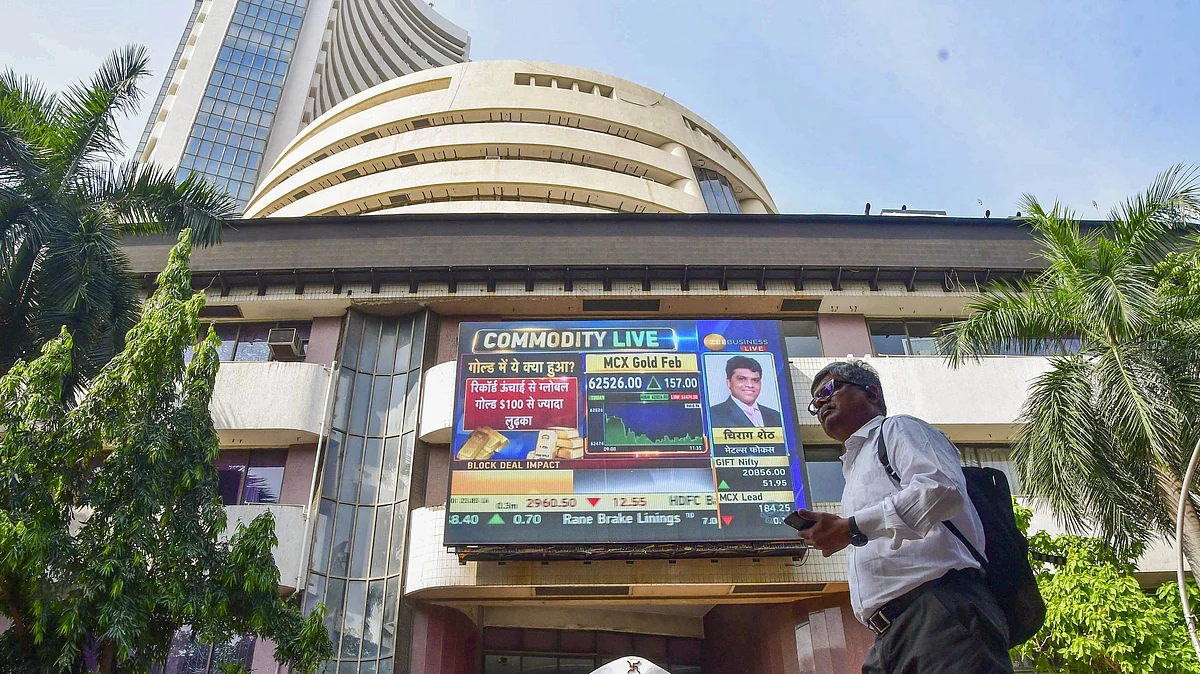


Indian benchmark indices extended their decline for a second consecutive session on 30 March, as a sharp rise in crude oil prices and escalating conflict in the Middle East dampened investor sentiment.
By late morning trade, the Sensex had fallen 1,219.60 points, or 1.66 per cent, to 72,363.62, while the Nifty dropped 362.75 points, or 1.59 per cent, to 22,456.85. Market breadth remained weak, with declining stocks significantly outnumbering gainers.
Both indices have shed around 10.5 per cent in March, putting them on track for their steepest monthly fall since the pandemic-driven sell-off in March 2020. Persistent foreign investor outflows and surging oil prices have been key drivers of the downturn. For the financial year ending 31 March, the benchmarks are also set to post losses of 4–6 per cent, marking their weakest annual performance in several years.
The sell-off comes amid intensifying geopolitical risks, with crude oil prices rallying sharply. Brent crude has climbed close to $116 per barrel, registering a gain of around 60 per cent this month, while US crude has risen more than 50 per cent. The surge follows a widening conflict in West Asia, now in its fifth week, with Yemen’s Houthi group joining hostilities and raising concerns over disruptions to critical shipping routes.
Analysts warn that the evolving situation could significantly alter India’s macroeconomic outlook. The favourable backdrop of strong growth, moderate inflation and stable deficits has weakened, with rising oil prices expected to push up inflation, strain public finances and weigh on corporate earnings.
Estimates suggest that continued disruptions could dent earnings in sectors such as oil marketing, aviation, cement and paints by over 10 per cent. Broader corporate earnings growth may also face downward revisions, while GDP growth projections could soften modestly.
Banking and financial stocks were among the hardest hit, falling between 2 and 2.5 per cent. The decline followed fresh regulatory measures by the Reserve Bank of India, which has tightened limits on banks’ foreign exchange exposure. Market participants expect this move to trigger unwinding of arbitrage positions and increased dollar sales in the domestic market.
Foreign institutional investors continued to offload Indian equities, reflecting a risk-averse global environment. Sustained selling through March has coincided with weakness in global markets, currency pressures and concerns over the impact of high oil prices on India’s economic trajectory.
Adding to the volatility, markets are navigating the monthly derivatives expiry, with the volatility index rising sharply. Analysts advise investors to remain cautious in the near term, focusing on fundamentally strong stocks and avoiding aggressive positioning until clearer signs of market stability emerge.
With PTI, IANS inputs
Join our official telegram channel (@nationalherald) and stay updated with the latest headlines