


Paytm shares slide after RBI scraps payments bank licence
Regulatory action ends banking arm, forcing shift to partner-led model
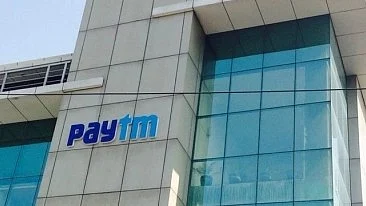


Shares of One 97 Communications, the parent of Paytm, fell sharply in early trade on Monday after the Reserve Bank of India cancelled the licence of Paytm Payments Bank, effectively bringing its banking operations to a close.
The stock dropped more than 6 per cent to around Rs 1,077 in morning deals, as investors reacted to the regulator’s final step following months of restrictions and scrutiny.
In its order issued on 24 April, the RBI said the licence had been revoked under the Banking Regulation Act, 1949, citing that the bank’s operations were conducted in a manner “detrimental to the interests of depositors and the public”. The central bank also indicated it would initiate winding-up proceedings, while assuring that the bank has sufficient liquidity to repay all depositors.
The action marks the culmination of long-standing regulatory concerns. Supervisory findings had pointed to persistent non-compliance with customer due diligence (KYC) and anti-money laundering norms, along with repeated lapses in reporting suspicious transactions. Authorities also flagged governance shortcomings, weak internal controls and deficiencies in technology systems, which heightened the risk of financial crime.
Earlier interventions had already severely restricted operations. In early 2024, the RBI barred the bank from onboarding new customers and prohibited fresh deposits or top-ups across accounts, wallets and FASTags, effectively forcing a gradual wind-down.
With the licence now cancelled, Paytm Payments Bank is no longer permitted to carry out banking activities. However, customers can still withdraw or transfer their existing balances under an RBI-supervised exit process.
For users, the immediate impact is significant. No new funds can be added to Paytm-linked accounts or instruments regulated by the bank, while automatic payment arrangements such as subscriptions, EMIs and recurring debits may be disrupted unless shifted to other banking channels.
The RBI has directed the company to facilitate a smooth migration of customers to alternative banking partners.
From a business standpoint, the move removes any remaining possibility of Paytm operating an integrated banking model. The company has already pivoted to a partner-led structure, relying on third-party banks for payments, settlements and UPI services—a shift that analysts say could weigh on margins and increase operational dependence.
While the near-term earnings impact is expected to be limited due to the payments bank’s reduced contribution in recent quarters, the development is widely seen as a structural reset for the fintech firm’s long-term strategy.
Despite Monday’s decline, Paytm shares have gained roughly 22 per cent over the past year, outperforming the Nifty 50, which has remained broadly flat to slightly lower over the same period.
Investor focus is now likely to centre on execution under the revised model, particularly the company’s ability to retain merchants, sustain its UPI market share and scale up its lending distribution business in a more regulated environment.
Paytm in the regulatory filing cited disclosure dated 1 March 2024 and said it does not have any exposure to PPBL or any material business arrangements with PPBL.
"No services provided by the Company are in partnership with PPBL. Additionally, PPBL operates independently, with no board or management involvement from the Company. There is no direct financial impact on the Company since, as previously disclosed, the Company had already impaired its investment in PPBL as of 31 March 2024," the filing said.
Paytm said its services will continue uninterrupted.
With PTI inputs
Join our official telegram channel (@nationalherald) and stay updated with the latest headlines