


Rupee edges higher in early trade as oil prices ease and dollar weakens
Currency gains tempered by foreign outflows and importer demand despite positive global cues
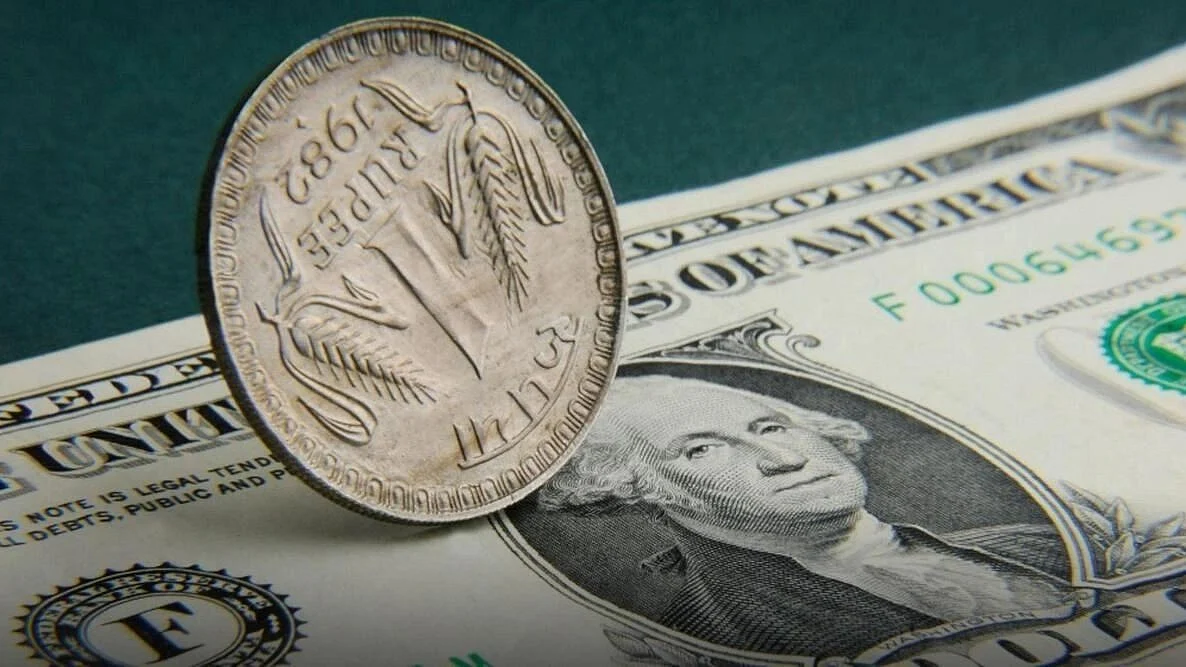


The Indian rupee strengthened slightly in early trading on Thursday, supported by softer crude oil prices and a weaker US dollar amid hopes of easing tensions in West Asia.
The domestic currency opened at 93.29 against the US dollar in the interbank foreign exchange market and firmed up to 93.27 in early deals, marking a gain of 6 paise from its previous close. On Wednesday, the rupee had ended marginally higher at 93.33 against the greenback.
Forex analysts attributed the modest appreciation to crude oil prices remaining below the USD 95 per barrel mark, which provided some relief to market sentiment. However, persistent foreign capital outflows and continued demand for dollars from importers limited the currency’s upside.
The dollar index, which tracks the strength of the US currency against a basket of six major peers, slipped 0.12 per cent to 97.72, offering additional support to emerging market currencies.
Meanwhile, Brent crude prices were largely steady, trading marginally higher at USD 94.95 per barrel in futures.
Domestic equity markets also opened on a positive note. The BSE Sensex rose 529.55 points, or 0.68 per cent, to 78,640.79 in early trade, while the Nifty 50 advanced 156.50 points, or 0.65 per cent, to 24,387.80.
Despite the upbeat start in equities, foreign institutional investors remained net sellers, offloading shares worth ₹666.15 crore in the previous session, according to exchange data.
On the macroeconomic front, recent data pointed to rising inflationary pressures. Wholesale price index-based inflation accelerated to a more than three-year high of 3.88 per cent in March, driven by increases in fuel, power and manufactured goods prices amid ongoing geopolitical tensions.
Retail inflation, measured by the consumer price index, also edged up to 3.4 per cent in March from 3.21 per cent in February, largely due to higher food prices.
Market participants are expected to keep a close watch on global developments, particularly in energy markets and geopolitical conditions, which continue to influence currency movements and investor sentiment.
With PTI inputs
Join our official telegram channel (@nationalherald) and stay updated with the latest headlines