


Rupee faces fresh volatility as RBI curbs trigger rush to unwind dollar trades
Banks scramble to exit billions in arbitrage positions amid tight deadline and rising market uncertainty
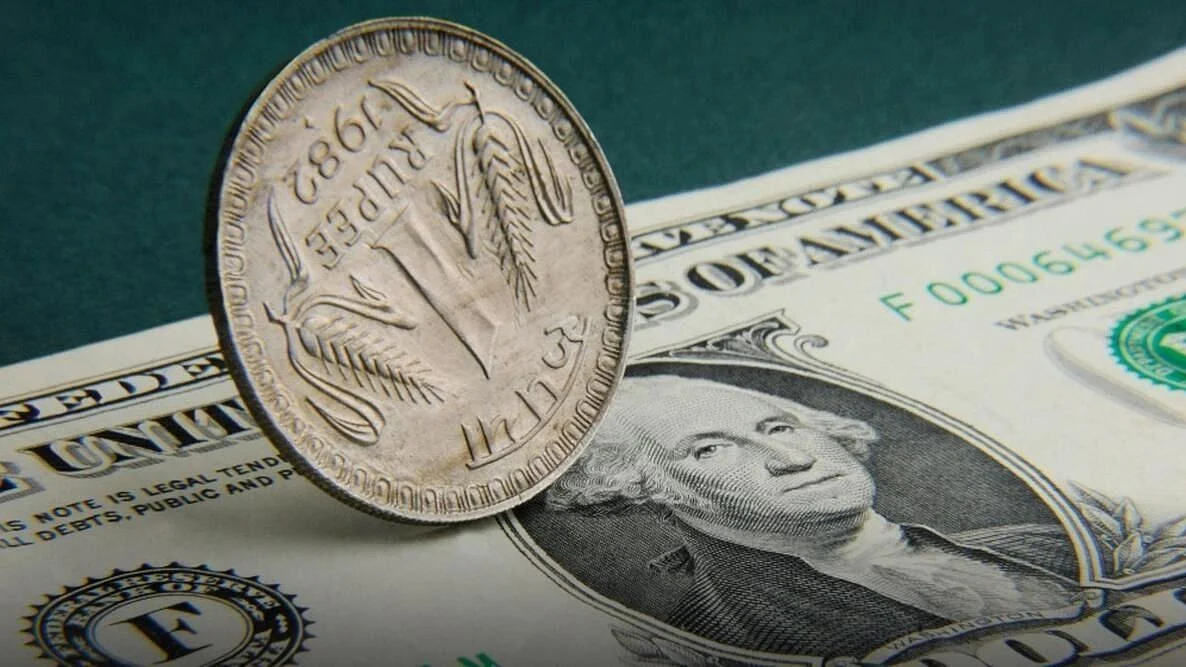


India’s currency markets are bracing for heightened volatility after the Reserve Bank of India moved to restrict speculative positions against the rupee, prompting banks to unwind billions of dollars in arbitrage trades.
The central bank’s directive, issued late last week, has triggered a scramble among financial institutions to exit positions estimated at over $30 billion. Moneycontrol reported that market participants said only a fraction of these trades — roughly $4 billion to $10 billion — were unwound when trading resumed on Monday, leaving a significant portion still to be closed ahead of the 10 April deadline.
The move has unsettled currency markets, with traders describing chaotic conditions marked by thin liquidity and sharp price swings. The rupee initially strengthened but later weakened to fresh lows, reflecting broader pressures including high oil prices, capital outflows and a widening trade deficit.
On Monday, the currency closed near 94.80 against the US dollar, with intraday fluctuations at their widest in over a decade. Analysts noted that the volatility underscores deeper structural concerns, particularly India’s vulnerability to rising energy costs amid geopolitical tensions.
The RBI’s action specifically targets arbitrage trades where banks had been buying dollars in the domestic market while selling them offshore. As these positions are reversed, the gap between onshore and offshore forward rates has widened significantly, reaching levels not seen since 2020.
With limited trading sessions remaining this week due to holidays, activity is expected to stay subdued in the short term. However, market participants warn that volatility could intensify once trading resumes in full, especially if no extension is granted on the deadline.
Banks have reportedly approached the central bank seeking more time, though there has been no indication so far of any relaxation. Some institutions have delayed unwinding positions in the hope of improved market conditions or regulatory flexibility, while others have begun gradually reducing exposure.
The central bank’s intervention marks one of its most assertive efforts in recent years to curb currency speculation, particularly in offshore markets that have been seen as amplifying downward pressure on the rupee. Previous measures had allowed banks to offset positions across markets, but the current rules require separate adjustments, making the process more disruptive.
The uncertainty has also been reflected in derivatives markets, where implied volatility for dollar-rupee trades has surged to its highest level since 2020, signalling expectations of further sharp movements.
Global factors continue to weigh heavily on the currency outlook. Elevated crude oil prices — driven by tensions in West Asia — are expected to worsen inflation and the current account deficit. Strategists have warned that the rupee could weaken further if these pressures persist.
While the RBI has previously intervened directly in currency markets, such actions have come at the cost of depleting foreign exchange reserves. The latest measures suggest a shift towards tighter regulatory controls to manage speculative flows.
Analysts say additional steps may follow, including stricter limits on banks’ positions and further curbs on offshore trading activity, as authorities seek to stabilise the currency in an increasingly uncertain global environment.
With PTI, IANS inputs
Join our official telegram channel (@nationalherald) and stay updated with the latest headlines