


Sensex and Nifty slip in early trade amid weak global cues and IT sell-off
Rising crude prices and continued foreign outflows weigh on investor sentiment
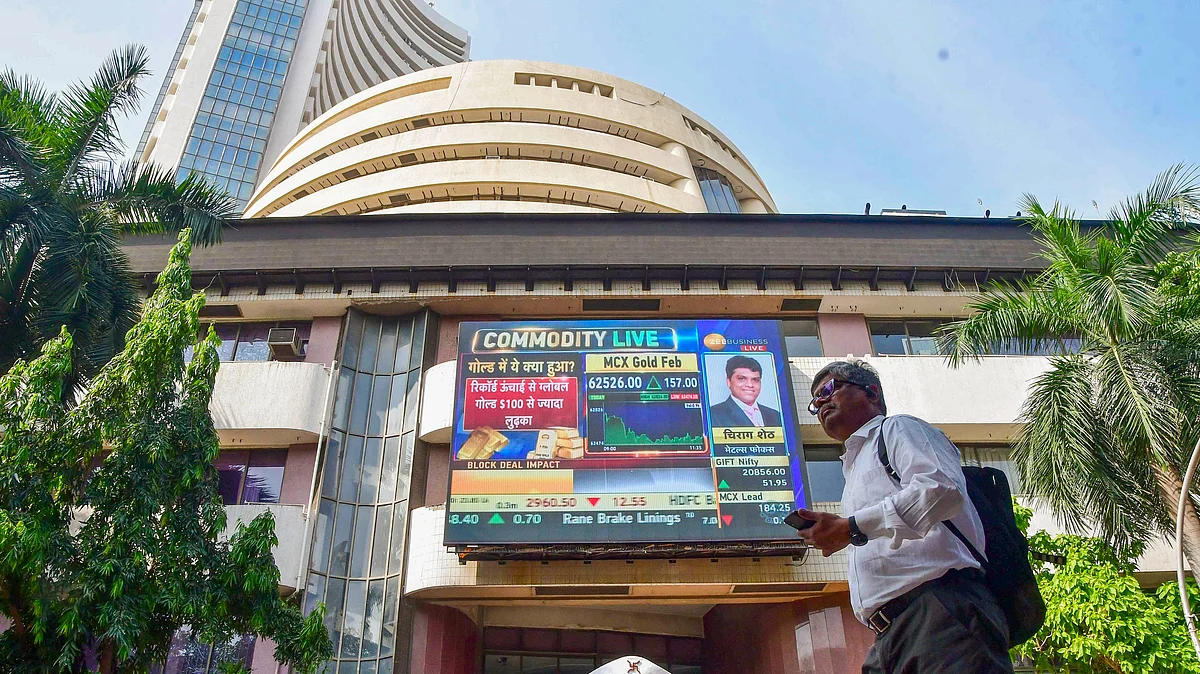


India’s benchmark equity indices, the BSE Sensex and Nifty 50, opened lower on Friday, pressured by weak global cues, rising crude oil prices and sustained selling by foreign investors.
In early trade, the Sensex fell around 400 points, or 0.51 per cent, to 77,263, while the Nifty declined about 100 points, or 0.41 per cent. Losses deepened later in the morning, with the Sensex dropping over 800 points and the Nifty slipping below the 24,000 mark, reflecting continued volatility.
The decline was led by weakness in information technology, financial and pharmaceutical stocks. Major laggards included Infosys, TCS, Sun Pharma, Dr. Reddy's Laboratories and ICICI Bank. The Nifty IT index was among the worst performers, falling sharply, while private banking and pharma indices also remained under pressure. In contrast, FMCG and select chemical stocks offered limited support.
Market sentiment remained fragile amid elevated geopolitical tensions and the ongoing fourth-quarter earnings season. Analysts noted that volatility is likely to persist, advising investors to remain cautious and focus on fundamentally strong stocks during market corrections. A sustained move above the 24,500 level on the Nifty, they said, could signal improved sentiment.
Crude oil prices continued to act as a major overhang. Brent crude rose nearly 2 per cent to around $107 per barrel, while West Texas Intermediate traded close to $97.6. The surge, driven by tensions in the Middle East and uncertainty around key shipping routes, has raised concerns over inflation and input costs.
Foreign institutional investors (FIIs) extended their selling streak for a fourth consecutive session, offloading equities worth more than ₹3,200 crore on Thursday. In contrast, domestic institutional investors (DIIs) remained net buyers, offering some support to the market.
Global cues were mixed, with Asian markets showing varied trends. Japan’s Nikkei edged higher, while Hong Kong’s Hang Seng and South Korea’s Kospi traded lower. Overnight, US markets closed in the red amid concerns over geopolitical developments, though sentiment showed slight improvement after reports of a temporary easing of tensions in West Asia.
Sectorally, selling was broad-based, with IT, banking, pharma and metal stocks all trading in negative territory. Market breadth also remained weak, with declining shares significantly outnumbering advancing ones.
With volatility elevated and global uncertainties persisting, near-term market direction is expected to remain closely tied to geopolitical developments, crude oil movements and institutional investment flows.
With IANS inputs
Join our official telegram channel (@nationalherald) and stay updated with the latest headlines