


Strait of Hormuz tensions threaten over 13 per cent of India’s non-oil exports
Escalating Israel-Iran conflict raises risks to trade flows through key maritime chokepoint
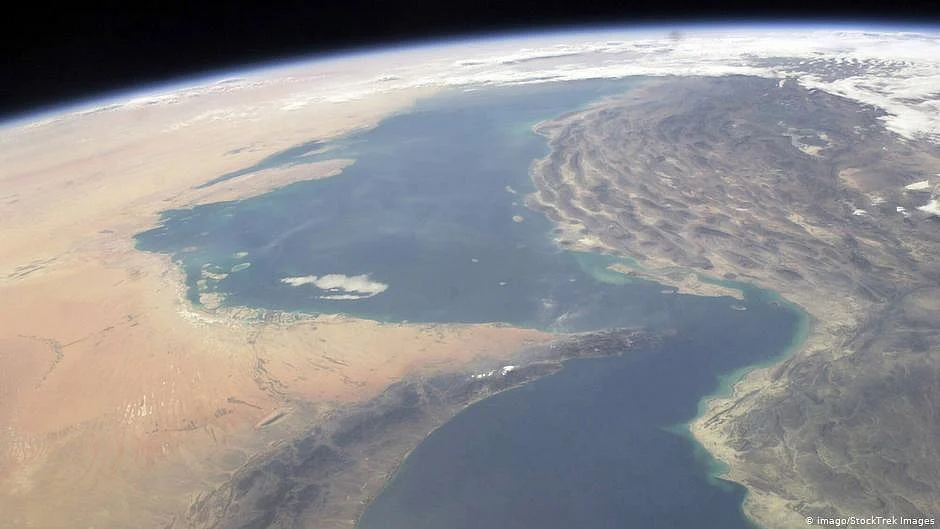


Escalating geopolitical tensions around the Strait of Hormuz could place more than a tenth of India’s non-oil exports at risk, underscoring the country’s growing exposure to disruptions along one of the world’s most strategically vital shipping lanes.
The renewed instability follows joint air strikes by Israel and the United States on Iran on 28 February, prompting swift retaliatory missile and drone attacks from Tehran. The exchange has heightened fears of a broader regional conflict that could threaten maritime trade routes across West Asia.
While concerns have largely focused on energy security, the potential fallout for India extends well beyond crude supplies. Three of India’s key oil suppliers transport shipments through the Strait of Hormuz, but a significant volume of non-oil trade is also dependent on shipping routes connected to the narrow passage.
According to trade estimates, India exported approximately $47.6 billion worth of non-oil goods to Gulf economies reliant on Hormuz-linked routes. This accounts for about 13.2 per cent of India’s total non-oil exports, valued at roughly $360.2 billion, highlighting the scale of vulnerability if shipping movements are disrupted.
The United Arab Emirates represents the largest share of India’s exposure, with non-oil exports estimated at $28.5 billion. Saudi Arabia follows at $11.7 billion. Other significant destinations include Iraq ($2.8 billion), Kuwait ($2.1 billion), Qatar ($1.7 billion) and Iran ($1.25 billion).
Situated between Iran and Oman, the Strait of Hormuz is one of the busiest maritime corridors globally, handling a substantial proportion of the world’s oil shipments alongside extensive merchandise trade. Even a temporary disruption could lead to higher freight costs, shipment delays and shifts in trade patterns across Asia and Europe.
Unlike crude imports, where sourcing can gradually be diversified, India’s non-oil exports remain closely tied to demand from Gulf markets. Sectors particularly exposed include engineering goods, gems and jewellery, food products, chemicals and construction materials — industries that depend heavily on uninterrupted sea transport.
Analysts warn that any further escalation in hostilities could therefore weigh not only on global energy markets but also on India’s export performance at a time of fragile international trade conditions.
With agency inputs
Join our official telegram channel (@nationalherald) and stay updated with the latest headlines