


Trade deal with India stalled as Modi did not call Trump, says US commerce secretary
Howard Lutnick claims missed outreach derailed agreement as tariffs, Russia oil and sanctions loom large
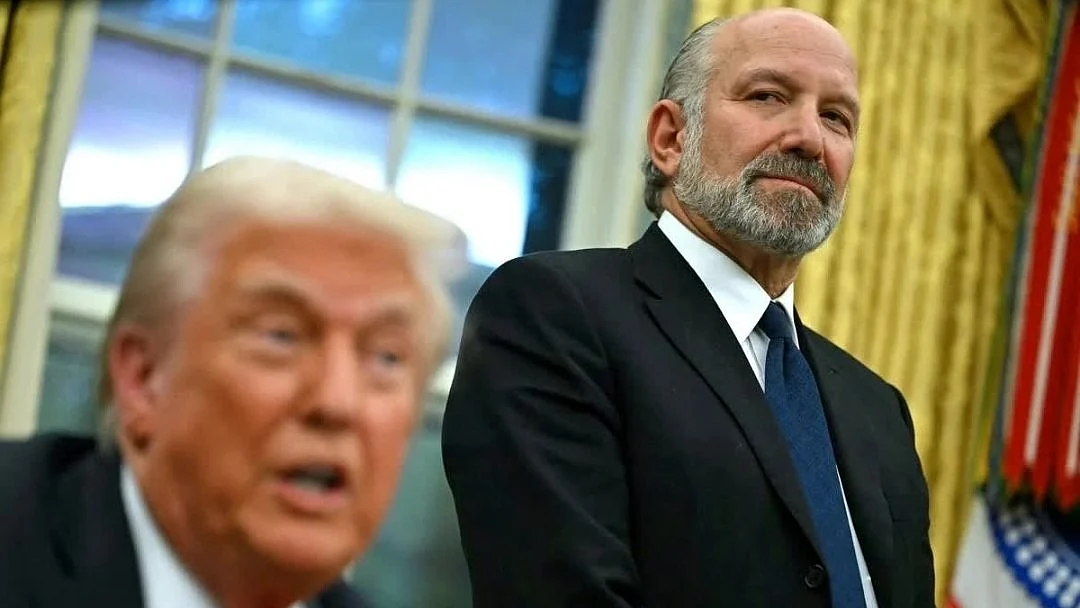


The proposed India–US trade deal collapsed last year because Prime Minister Narendra Modi did not personally reach out to United States President Donald Trump, according to US commerce secretary Howard Lutnick, who said the window for the agreement has now closed.
Speaking on the All-In Podcast, Lutnick claimed that while negotiations had been substantially completed, the final step required a direct call from Modi to Trump. “I set the deal up. But you had to have Modi call President Trump. They were uncomfortable with it. So, Modi didn’t call,” he said, adding that Trump alone concludes such deals.
Lutnick said Washington had assumed that an agreement with India would be finalised before similar deals with countries such as Indonesia, the Philippines and Vietnam. However, delays from New Delhi meant that the US moved ahead with those nations instead, negotiating terms that later made it harder for India to accept similar conditions.
“We assumed a trade deal with India before them. Then the deals came out at a higher rate and India tried to claw back,” Lutnick said, suggesting that New Delhi sought to revive talks after the opportunity had passed. “I said, ready for what? The train left the station three weeks ago,” he added.
According to Lutnick, the terms previously discussed are no longer available. “The US has stepped back from that trade deal that we had agreed to earlier. We are not thinking about it anymore,” he said.
The remarks come against the backdrop of sharply strained trade ties. After negotiations fell apart, the Trump administration doubled tariffs on Indian goods to 50 per cent in August last year, the highest rate imposed on any trading partner. The tariffs included a 25 per cent levy imposed in retaliation for India’s continued purchases of Russian oil.
Lutnick’s comments also follow President Trump’s approval of a bipartisan Russia Sanctions Bill that would grant sweeping powers to penalise countries buying Russian oil, petroleum products or uranium. The legislation proposes tariffs of up to 500 per cent on imports from such countries, including India, China and Brazil. Supporters of the bill say it is intended to cut off revenue streams funding Russia’s war in Ukraine.
Trump has previously warned that he could raise tariffs on India “very quickly” over its energy ties with Moscow, stating publicly that Modi was aware of his dissatisfaction.
Despite the tariff pressure, India’s exports to the US have shown resilience. After contracting for two consecutive months, shipments to the American market rose 22.61 per cent in November to $6.98 billion. During April–November of the current financial year, exports to the US increased 11.38 per cent to $59.04 billion, while imports rose 13.49 per cent to $35.4 billion.
Trade negotiations between the two sides have nevertheless continued. Six rounds of talks have been held so far on a proposed bilateral trade agreement aimed at resolving the tariff dispute. The most recent round concluded in December 2025, with US Deputy Trade Representative Rick Switzer leading the American delegation in New Delhi.
Indian officials have maintained that discussions are ongoing. In December last year, Commerce Secretary Rajesh Agrawal said India was actively engaged with the US and hoped to conclude talks “sooner than later” to restore market access for exporters. However, India has drawn firm red lines, particularly on agriculture and dairy, resisting US demands for duty concessions that it says would harm farmers and MSMEs.
The broader objective of the negotiations is to more than double bilateral trade to $500 billion by 2030, from about $191 billion currently. The US remained India’s largest trading partner for the fourth consecutive year in 2024–25, with two-way trade valued at $131.84 billion, including $86.5 billion in Indian exports.
New Delhi has yet to respond publicly to Lutnick’s remarks, but Indian industry and exporters are closely watching the talks, wary that prolonged uncertainty and high tariffs could erode competitiveness in one of India’s most important export markets.
Join our official telegram channel (@nationalherald) and stay updated with the latest headlines