


T20 World Cup: Geopolitics first, cricket later as Surya & Co begin title-defence
Biggest game of the tournament looks a non-starter as the showpiece gets under way on Saturday
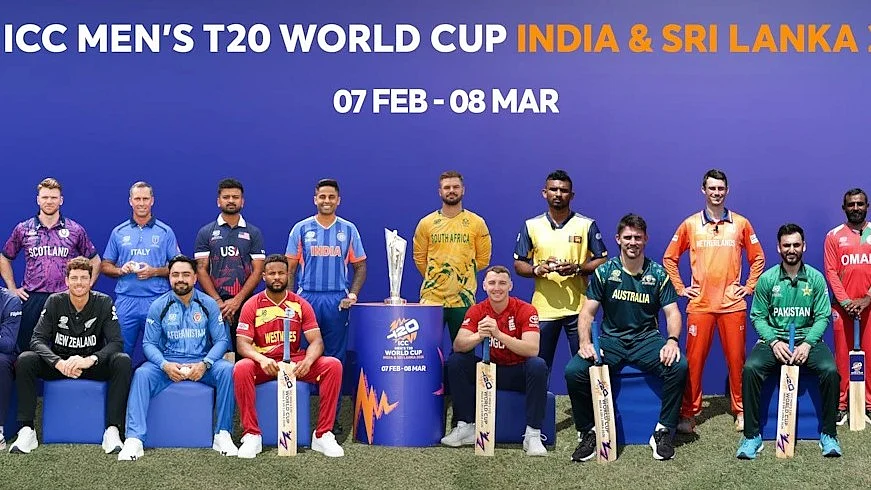


Is the buzz around the ICC T20 World Cup, beginning in India and Sri Lanka from tomorrow (Saturday), somewhat missing ? It could be a different story by the time the first ball is bowled in the India versus USA game at the Wankhede on Saturday evening, but fact remains that geopolitics seems to have squeezed a lot of life out of it.
Answer me – how many World Cups have you seen where the undisputably the most marketable game in the tournament is being held hostage to politics? Or that a full member nation found themselves thrown out because of a credible demand of relocation of matches after one of their star players, Mustafizur Rahman, was dropped from the IPL arguably because of anti-Bangladesh sentiments prevailing in India?
Things have reached at such a flashpoint that at the customary Captains’ Day for the media, both the India and Pakistan captains had to face a cluster of questions on the 15 February game – with Salman Ali Agha’s empathy for ‘brothers’ Bangladesh leaving nothing to imagination. ‘’Well, they are our brothers. Thank you very much for them supporting us,’’ said Agha, for whom this is the first World Cup as captain. Nothing wrong with it, one may argue, if not the underlying narrative been that of both brothers having an issue against big brothers India.
Suryakumar Yadav, meanwhile, said: ‘’Our mindset is clear. We haven’t said no to playing them; they are the ones who’ve said no.’’ The belated decision of Pakistan after keeping the International Cricket Council (read: Jay Shah and BCCI) on tenterhooks for almost a week amounts is being interpreted as a ‘sabotage’ – with good enough reasons. If Bangladesh’s decision of staying put, backed by their caretaker government’s hardliner stance was to maintain the anti-India face till 12 February elections, Pakistan’s posturing is also seen as an optics to be with their ally – but not one altogether cast in stone.
Never has there been such a blatant exhibition of political powerplay before a marquee cricket event – even keeping in mind the chequered history of cricketing relations between India and Pakistan. The ‘hybrid formula’ to make the moneyspinner India-Pakistan clash happen has been classified by experts as a fallout of ICC’s weak governance, while the over-leveraging of a single game – even at the cost of diluting the entire competition – has now resulted in this imbalance.
Here’s what Haroon Lorgat, a former CEO of ICC and an accomplished cricket administrator, had to say on the dependence on this one game in a recent interview with National Herald: ‘’ I do believe so and the ICC bears responsibility for engineering that dependency. The India–Pakistan fixture has been monetised as the crown jewel of all ICC events precisely because the commercial ecosystem and television audience in the Indian sub-continent underpins global broadcast revenues.
‘’Once the ICC accepted a model where flagship events, hosting patterns and even the global calendar were reshaped around such broadcasters and advertisers, it effectively weaponised a single game as the financial fulcrum of world cricket, making any disruption - like Pakistan’s threatened boycott - both inevitable and explosively consequential. Over-leveraging this one match is a direct result of a system that rewards power over sporting equity. When that single game is withdrawn, the entire tournament architecture is destabilised.’’
An unpopular opinion it may be, but Pakistan know this game is their biggest bargaining chip and have now gone for the jugular to score maximum brownie points out of it. What has, meanwhile, weakened the ICC’s case is allowing itself to be driven by India’s interests and will – which prompted England stalwart Naser Hussain justifying the disruptive moves.
‘’I actually quite like Bangladesh sticking to their guns. They stood up for their player, the Fizz. And I also quite like Pakistan – I know it’s political – but I like Pakistan sticking up for Bangladesh,’’ Hussain, a former England skipper, said in a Sky Sports podcast. Kevin Pietersen, meanwhile, raised a valid question about what would Pakistan do should they run into India later in the tournament.
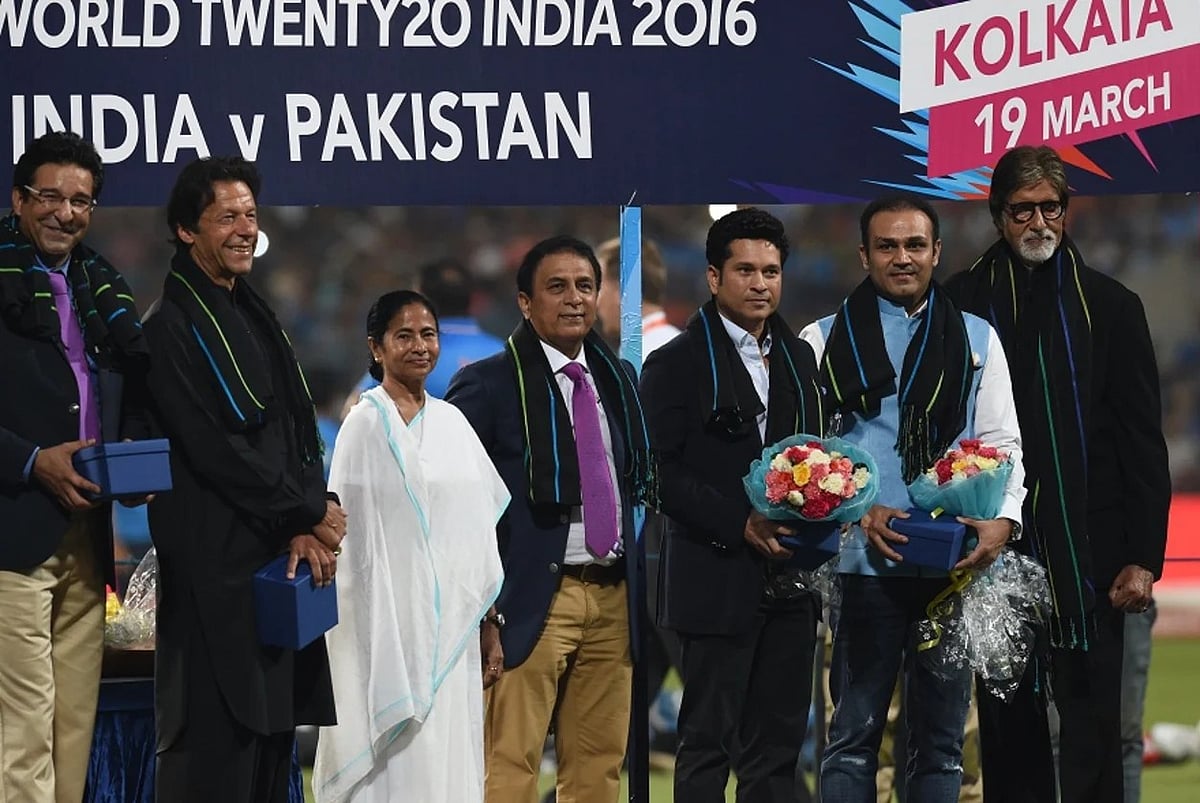
It’s under such disturbing circumstances that the event is coming back to India after 2016, with the 2021 edition scheduled here being shifted to the UAE because of the pandemic. Incidentally, the marquee India-Pakistan league game of that World T20 was played in 2016 before a full house – and after a heavy shower – at the Eden Gardens with national anthem of both sides making for an electric atmosphere at the historic venue.
Well, cricket can unite - and divide!
Join our official telegram channel (@nationalherald) and stay updated with the latest headlines