


Antarctica’s winter sea ice peaks at 3rd lowest level on record
Ice extent reached 17.59m sq km on 14 September, continuing a run of exceptionally low winter peaks
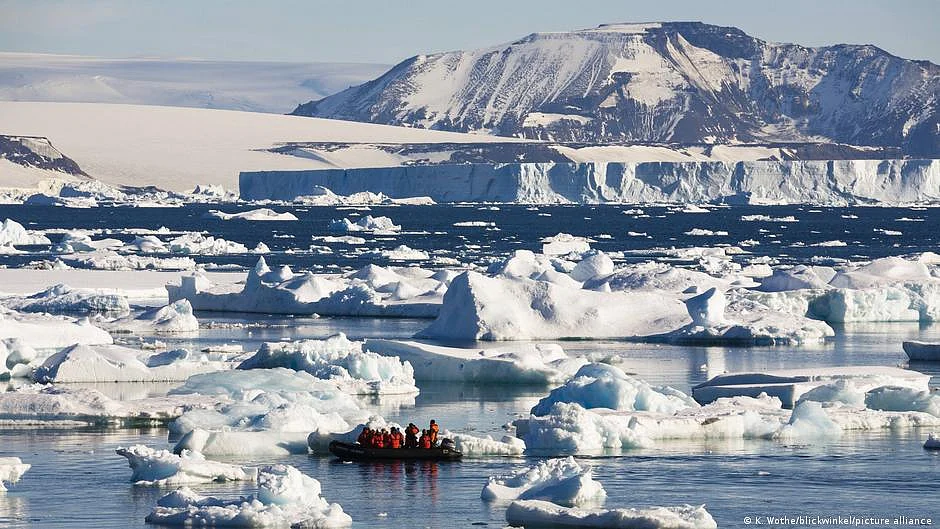


Antarctica’s winter sea ice has reached its third-lowest maximum on record, with scientists confirming that the ice cover peaked at 17.59 million square kilometres on 14 September — about 1 million square kilometres below the long-term average.
The latest peak means the four lowest Antarctic winter sea-ice maximums recorded by satellites have all occurred in the past four years. Satellite observations of Antarctic sea ice date back to 1979.
The National Snow and Ice Data Center (NSIDC) had initially described 14 September as the most likely date of the annual maximum, but waited for further data because Antarctic sea ice can fluctuate substantially around this time of year. Ice extent subsequently declined, leading scientists to conclude that the maximum had been reached.
Dr Walt Meier, a senior scientist at the NSIDC, said there had been “a lot of potential variability” at this stage of the Antarctic sea-ice cycle before the maximum could be confirmed.
Dr Phil Reid of Australia's Bureau of Meteorology said El Niño could alter the movement of storms around Antarctica, causing some systems to remain in particular areas and churn up sea ice.
The low sea-ice extent follows unusual conditions earlier this year, including a heatwave over the Antarctic Peninsula and a substantial area of open ocean in a region where sea ice would normally be present.
The latest figure remains subject to the NSIDC's full seasonal analysis, which is due in early October. The centre has noted that large fluctuations are common around the Antarctic winter maximum.
Antarctic sea ice undergoes a large seasonal cycle, shrinking to below 2 million square kilometres during summer and expanding to more than 17 million square kilometres during winter. The recent run of exceptionally low winter and summer extents has raised concerns among scientists about changes in the Antarctic climate system.
Dr Ariaan Purich, a Southern Ocean expert at Monash University, said the repeated low winter maximums indicated that the pattern was no longer a one-off event.
“This is not a one-off event any more,” Purich said. “We are seeing low winter after low winter.”
Scientists have pointed to several factors behind the regional variations in Antarctic sea ice. The NSIDC said sea ice remained below average through most of the 2026 growth season, while changes in atmospheric circulation associated with El Niño likely contributed to losses in parts of the Amundsen Sea.
Join our official telegram channel (@nationalherald) and stay updated with the latest headlines