


Small island nations turn up pressure at COP31, demand climate justice
Facing rising seas, extreme temperatures and mounting disasters, vulnerable island states want richer nations to pay for the damage
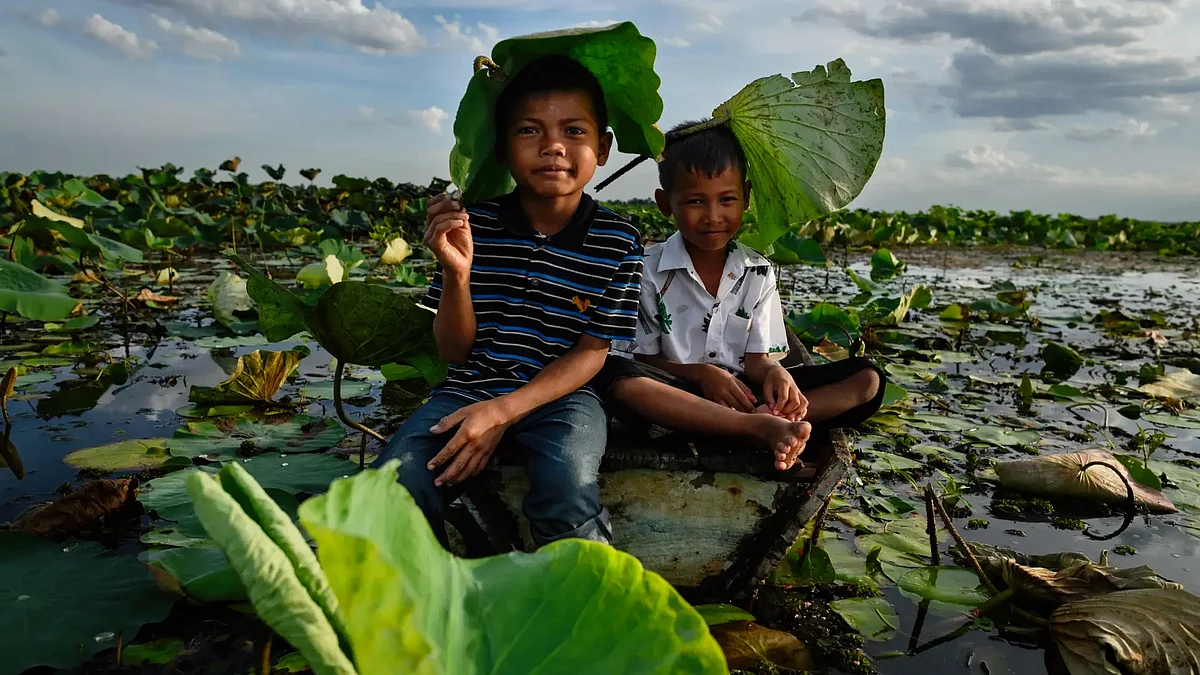


Small island nations demand urgent emissions cuts and climate finance from wealthier polluting countries.
The Alliance of Small Island States seeks $700 million for climate resilience and disaster early-warning systems.
For vulnerable island communities, 1.5°C is a survival threshold, not merely a climate target.
Small island nations are using their collective voice at the UN climate negotiations to demand urgent action from the world's biggest polluters, warning that the climate crisis threatens their very survival.
As the COP31 climate conference enters its second and final week in Turkey's resort town of Antalya, these countries are confronting an increasingly precarious future shaped by climate-induced disasters, geopolitical upheavals and an intensifying El Nino.
"We don't need more studies. We don't need more negotiations. We just need more action," Tonga Prime Minister Fatafehi Fakafanua told the Associated Press.
Tonga, one of the world's 'big ocean states', has a maritime territory vastly larger than its landmass. Like other island nations, it faces an existential threat from climate change. Record ocean temperatures endanger marine ecosystems that sustain local livelihoods, while melting glaciers contribute to rising sea levels, increasing the risks of coastal erosion and flooding.
Small island developing states (SIDS) have increasingly positioned themselves as a collective moral voice in global climate negotiations, urging wealthier and more polluting countries to slash emissions and take responsibility for the consequences of global warming.
They are also demanding financial assistance from richer nations to strengthen climate resilience, mitigate the effects of global warming and recover from climate-related disasters.
Individually, these countries may have limited economic and diplomatic leverage. Together, however, they carry considerable weight, said Ilana Seid, chair of the Alliance of Small Island States and Palau's ambassador to the United Nations.
"On our own, individual SIDS are small economies. We have little leverage, but when you put us together and we speak with one voice, we can speak pretty loudly and pretty strongly," she said.
The pressure comes amid growing frustration with the COP process, where many agreements remain voluntary and non-binding. Countries have yet to reach a consensus on how to move away from the fossil fuels driving climate change.
Leaders, negotiators and activists say COP31 must restore confidence in international climate diplomacy and demonstrate that the annual conferences can translate commitments into meaningful action.
For young people from vulnerable island nations, the stakes could hardly be higher.
"I feel that my future and the future of generations after me are on the line," said Atiterentaai Rinimarawa, a 24-year-old youth representative from Kiribati. "We are not asking for sympathy, but we are calling for climate justice, stronger commitment and real action."
Turkey and Australia are jointly hosting COP31. Pacific island leaders say their concerns have received greater prominence in this year's negotiations, particularly through Australia's involvement and a pre-COP meeting hosted by Fiji in October.
"I absolutely think that our voice has been elevated," Fakafanua said. "It just speaks to how far we have come, and it's taken this long, up to COP31, for us to be really centre stage."
The Alliance of Small Island States has 39 members, making it an influential negotiating bloc despite the limited economic clout of its individual members. Their vulnerabilities cut across geographical boundaries, said Seid.
"Our vulnerabilities are so consistent, regardless of if you're from the Pacific, or the Caribbean, or the African region," she said, adding that the spotlight on small island developing states was brighter this year.
The urgency is underscored by the widening gap between global climate commitments and the action needed to meet them. The United Nations has warned that the world is unlikely to achieve its target of limiting global warming to 1.5°C above pre-industrial levels.
Island nations, however, insist that the threshold must remain a central goal of climate negotiations.
"It's really not a temperature threshold for us, it's a survival threshold," said Adelle Thomas, senior director at the Natural Resources Defense Council and a native of the Bahamas. "The real question is going to be whether political ambition is catching up with the lived reality that people are facing."
Even if the world overshoots the 1.5°C target, the international climate process has helped prevent temperatures from rising even further, Thomas argued. The problem is that diplomatic progress is failing to keep pace with the accelerating impacts of climate change.
"It is a long-term game, which unfortunately doesn't align with the level of impacts that we're seeing, but I don't think that we should give up on COP," said Thomas, who is also vice-chair of a working group of the Intergovernmental Panel on Climate Change.
For the second consecutive year, the United States, the world's largest economy and one of its biggest greenhouse gas emitters, is absent from the negotiations.
Despite the frustrations, Fakafanua said abandoning the process would be counterproductive.
"We've definitely made progress and we're better with COP than without," he said.
The island alliance also wants COP31 to deliver $500 million for climate resilience programmes and another $200 million for natural disaster early-warning systems.
"Only fair that those who are suffering from the effects of climate change are assisted by those who were at fault," Fakafanua said.
The backdrop to this year's negotiations has been particularly challenging for island nations. Global ocean temperatures reached a record high in August, while an unusually strong El Nino continues to intensify. Geopolitical upheavals, including the Iran war, have also driven up energy prices.
Climate change is no longer a distant threat experienced only by vulnerable island communities, Thomas said. Its effects are increasingly being felt by people across the world, making public pressure on governments essential.
"Average citizens around the world are experiencing climate impacts in their homes and in their communities and that directly links to what's going on in these international negotiations," she said. "It's absolutely up to individual citizens and communities to make sure that their leaders are tackling the climate change crisis."
COP31 is also competing for international attention as other major global summits get under way in China and the Philippines.
For young climate activists, the outcome of the Antalya conference will be measured not simply by diplomatic declarations but by whether governments can restore faith in their ability to secure a liveable future.
"These climate talks need to renew faith," said Qiyun Woo, a youth environmentalist from Singapore. "Faith young people should have in these processes and in world leaders helping to secure a more livable future for generations to come."
With AP/PTI inputs
Join our official telegram channel (@nationalherald) and stay updated with the latest headlines