


Europe’s airline industry emits more CO₂ than before COVID despite vow to decarbonise
Ryanair’s carbon emissions jump 50% since 2019 amid rapid passenger growth; environmental groups seek expansion of EU carbon pricing regime
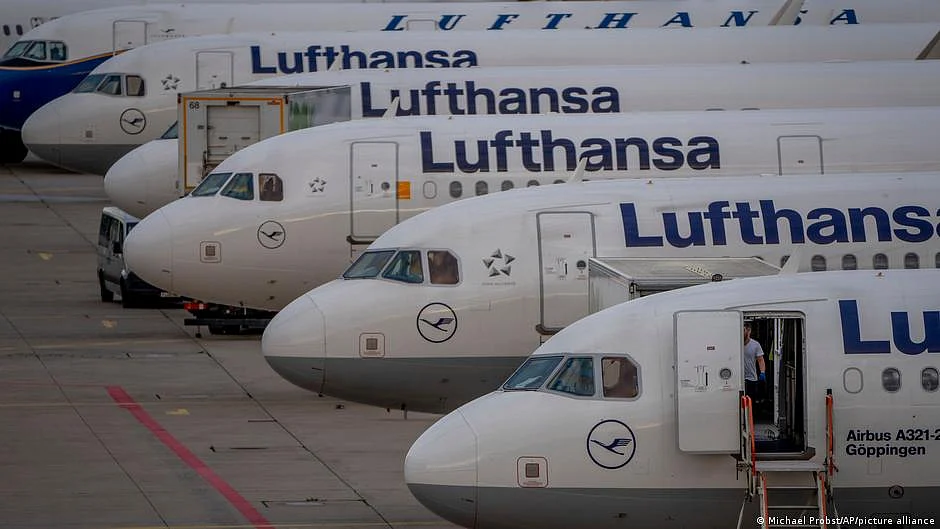


Carbon emissions from Europe’s aviation sector have risen above pre-pandemic levels despite industry commitments to reduce pollution and improve fuel efficiency, according to a new analysis by environmental thinktank Transport & Environment.
The report said total aviation emissions from departing flights in Europe reached 195 million tonnes of CO₂ in 2025, about 2 per cent higher than levels recorded before the Covid-19 pandemic disrupted global air travel. The increase has largely been driven by the rapid expansion of low-cost airlines across Europe.
According to the analysis, Irish budget carrier Ryanair emitted 16.6 million tonnes of CO₂ in 2025, around 50 per cent higher than in 2019. The airline carried more than 200 million passengers during the year compared with about 140 million before the pandemic.
Researchers said Ryanair’s total annual emissions were roughly comparable to those of countries such as Croatia.
Concerns over aviation carbon pricing
The report criticised the limitations of the EU ETS (European Union Emissions Trading System), arguing that the mechanism does not adequately capture emissions from long-haul flights because it applies primarily to flights operating entirely within Europe.
As a result, many long-distance routes flown by major legacy carriers remain outside the system despite consuming significantly larger quantities of jet fuel. According to the analysis, Ryanair currently pays around €50 per tonne of carbon emissions under the ETS, while German airline Lufthansa pays roughly €20 per tonne.
The study highlighted that air traffic between London and New York alone generated nearly 1.4 million tonnes of CO₂ in 2025 but remains outside the scope of the carbon trading system.
Transport & Environment has called for the ETS to be expanded to cover all departing flights from Europe. The organisation argued that such a move could significantly increase public revenues and help finance sustainable aviation fuel production as well as technologies aimed at reducing climate-warming contrails generated by aircraft.
Fuel prices ‘bigger factor’ than climate rules
The report also said rising ticket prices were being driven more by fossil fuel dependence and fuel price volatility than by environmental regulations.
Giacomo Miele, author of the analysis, said the aviation industry was continuing to increase emissions despite public decarbonisation pledges.
“Aviation emissions hitting a new high is a clear signal that the industry has no intention of cleaning up its act,” Miele said.
He added that Europe should stop subsidising fossil fuel dependency and invest more aggressively in sustainable aviation infrastructure and cleaner technologies.
Ryanair defends environmental record
Ryanair defended its record, arguing that emissions had increased because it remained Europe’s fastest-growing airline while operating newer and more fuel-efficient aircraft.
The airline said its emissions per passenger continued to decline and argued that its growth was replacing travel on less efficient legacy carriers.
Ryanair also criticised the current ETS structure as discriminatory because it taxes intra-European flights while exempting many long-haul routes operated by larger airlines. The carrier claimed that when all flights are included, airline groups such as Lufthansa, Air France-KLM and IAG produce higher total emissions than Ryanair.
Join our official telegram channel (@nationalherald) and stay updated with the latest headlines