


Great Indian Bustard needs proactive protection, not projects that threaten it: Ramesh
Proposed 400-ha project, including a stone-crushing unit, is located 5.8 km from a Great Indian Bustard priority area
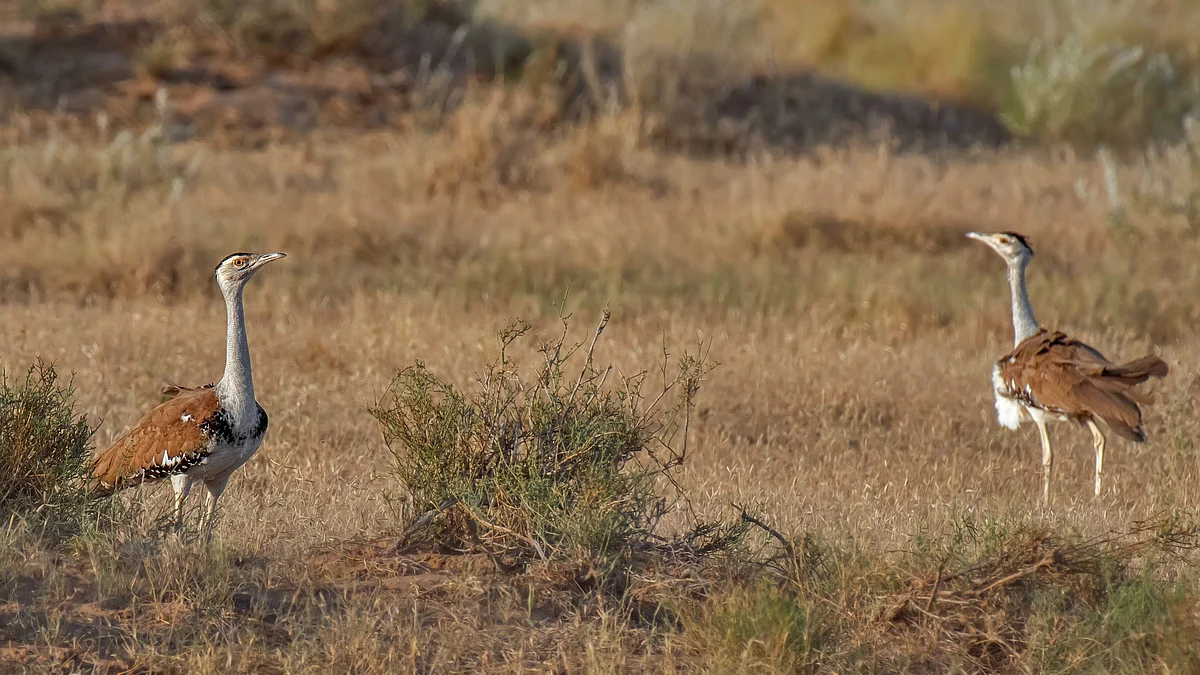


Congress leader Jairam Ramesh calls for protection of the critically endangered Great Indian Bustard amid a proposed mining project in Jaisalmer
UltraTech’s proposed 400-ha limestone mine and crusher is located 5.8 km from a designated Great Indian Bustard priority area
The project gets ToR recommendation despite allegations of environmental violations against UltraTech at its Kotputli-Behror mining site
Congress leader and former environment minister Jairam Ramesh on Tuesday said the Great Indian Bustard is among the world’s most endangered birds and called for proactive protection instead of projects that could threaten its habitat.
Ramesh’s remarks came after UltraTech Cement Limited’s proposed limestone mining project in Joga village in Rajasthan’s Jaisalmer district cleared the first stage of the environmental approval process, despite allegations that the company has violated environmental norms at another mining site in the state.
In a post on X, Ramesh said the Great Indian Bustard, which ornithologist Salim Ali had advocated as a possible national bird in the early 1960s, is now critically endangered. He said the species “needs proactive protection, not projects that threaten it even more” and tagged a PTI report on the proposed project near a Great Indian Bustard priority area.
The proposed project covers more than 400 hectares and includes a stone-crushing unit. It is located about 5.8 km from a designated Great Indian Bustard priority area.
Such priority areas are considered crucial habitats for the species, providing important retreats and breeding grounds.
According to the proposal, UltraTech has planned several mitigation measures to minimise the project’s impact on the Great Indian Bustard habitat. These include water sprinkling to suppress dust, installation of bag filters at the stone-crushing unit and measures to minimise disturbance in adjoining areas.
However, the company has faced allegations of failing to implement similar environmental safeguards at its more than 500-hectare limestone mining site in Jodhpura-Mohanpura village in Rajasthan’s Kotputli-Behror district.
In November 2025, the Central Zone Bench of the National Green Tribunal held UltraTech responsible for environmental damage and health hazards in the village. The tribunal directed the company to stop blasting operations at night and ordered measures including covering the stone-crushing area with tarpaulin, sprinkling water on approach roads, and installing bag filters, vacuum suction hoods and dry-fogging systems to control pollution.
UltraTech’s response to the allegations is awaited.
Meanwhile, the proposed Jaisalmer project was recommended for the grant of terms of reference (ToR) by the Union Environment Ministry’s Expert Appraisal Committee (EAC) at its September 10 meeting.
The ToR sets out the scope, objectives, methodology and reporting requirements for the environmental impact assessment of a proposed project.
According to the minutes of the EAC meeting, the project proposes limestone production of one million tonnes per annum, while the associated stone-crushing unit will have a capacity of 1,500 tonnes per hour.
With PTI inputs
Join our official telegram channel (@nationalherald) and stay updated with the latest headlines