


Kolkata fire: Green activists for probe into wetlands 'encroachment'
Deadly warehouse blaze renews alarm over encroachment in Ramsar-protected ecosystem on city's edge
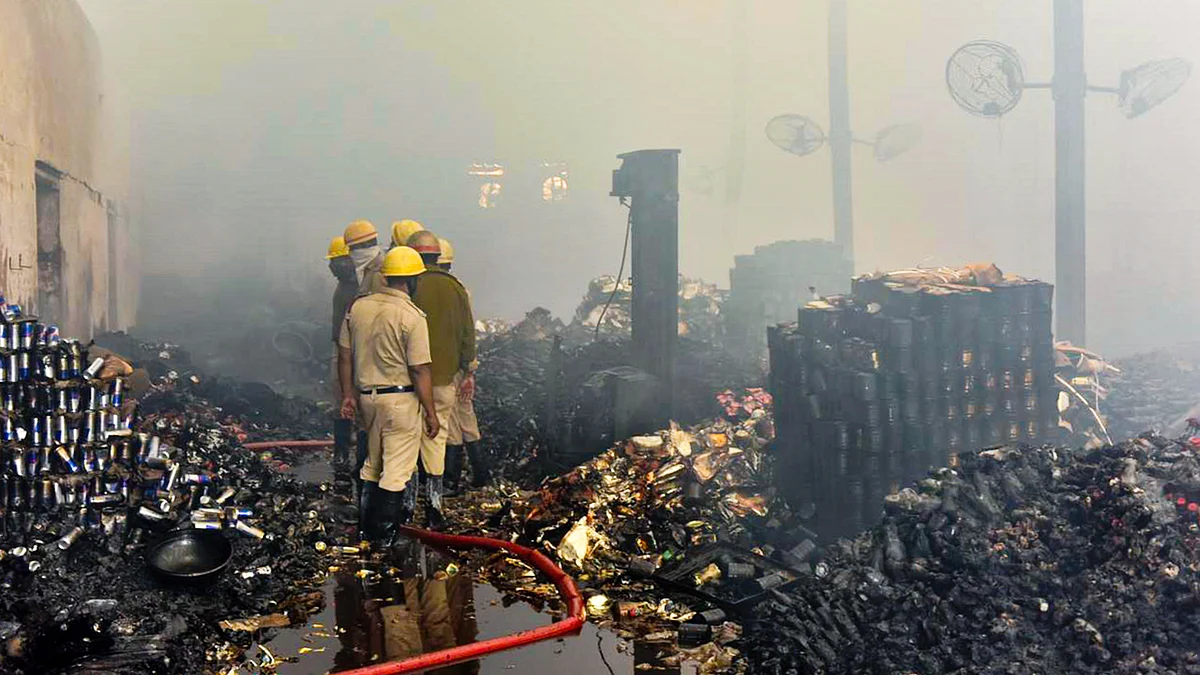


A coalition of environmental organisations has called for a comprehensive investigation into alleged encroachment and unauthorised construction inside parts of the East Kolkata Wetlands, a Ramsar-listed site of international ecological importance.
The demand follows a deadly blaze that tore through two warehouses in the Nazirabad area on the southern fringe of Kolkata earlier this week. Activists allege the structures were erected in violation of the protection norms governing the wetlands.
The appeal has been jointly raised by several groups, including Sabuj Mancha, Proyash, Basundhara, the Cultural & Literary Society and the East Kolkata Fisheries Association.
Somendra Mohan Ghosh of the Save Rabindra Sarobar forum said a detailed memorandum has been submitted to the East Kolkata Wetlands Management Authority (EKWMA), stressing that the entire wetland system is protected under the Ramsar Convention, an international treaty on wetland conservation.
According to the activists, large swathes of the protected zone have seen steady construction and land filling that contravene Ramsar guidelines.
Referring specifically to Nazirabad, where the fire occurred, environmentalist Naba Datta of Sabuj Mancha said the locality falls within a sensitive part of the wetland network and that the steady conversion of water bodies into built-up plots poses a serious ecological threat.
Explaining the concern, Ghosh said, “Nazirabad is located in the peri-urban fringe of Kolkata, close to an offshoot of the Anandapur Canal, which flows through the designated Ramsar site. We want to know how large-scale construction and encroachment were allowed in violation of this agreement.”
The groups’ letter also questions the recent widening of Nazirabad Road, alleging that the project has effectively narrowed nearly 7 km of the Anandapur Canal, an integral artery of the wetland system. Over time, they claim, stretches of the canal have been squeezed or filled to make way for roads, warehouses and other commercial establishments.
The East Kolkata Wetlands comprise a vast mosaic of marshes, canals, fish farms or bheris, and agricultural land along the city’s eastern edge. Together, they perform vital functions: naturally treating a large share of the city’s wastewater, absorbing excess rainwater to reduce flooding, and supporting thousands of livelihoods through fisheries and farming.
Campaigners warn that unchecked urban expansion is steadily weakening this natural infrastructure.
Beyond physical encroachment, Ghosh has also pointed to what he describes as inconsistencies in official wetland maps, particularly in the naming and demarcation of areas such as Gulshan Colony and Nazirabad.
He alleges that by altering locality names or classifications, certain residential and commercial pockets — including warehouses and small factories — have effectively been made to disappear from protected maps while continuing to exist on the ground.
“We are demanding a transparent report from the chief technical officer of EKWMA on how names of localities within the Ramsar site were altered, who authorised these changes, and why several areas do not appear in the latest official EKW maps,” he said.
The environmental groups have urged the authorities to order an independent inquiry into the alleged encroachments, mapping discrepancies and violations of environmental norms. They argue that continued degradation of the wetlands would have long-term consequences for Kolkata, from increased flood risk to the loss of its natural wastewater treatment system.
At the time of reporting, the EKWMA had not issued an official response to the allegations.
The issue has also triggered political sparring. After visiting the fire site, Kolkata mayor and state urban affairs minister Firhad Hakim said, “All illegal filling up of wetlands took place during the Left Front regime. The TMC had worked towards saving the waterbody during its 12-year tenure in Bengal.”
Leaders of the Communist Party of India (Marxist) disputed that claim. Party spokesperson Satarup Ghosh challenged Hakim to produce evidence, alleging instead that the violations had taken place under the current government led by the Trinamool Congress.
As ecological concerns collide with political blame-trading, activists say the central issue risks being lost. For them, the recent fire is a stark warning that what begins as piecemeal encroachment can end in disaster, and that protecting the wetlands is not merely about conservation but about safeguarding the city itself.
With PTI inputs
Join our official telegram channel (@nationalherald) and stay updated with the latest headlines