


NGT orders UP groundwater dept to act on illegal extraction complaint in Noida, Greater Noida
Tribunal asks authorities to verify allegations of unauthorised borewells as concerns grow over India's rapidly depleting aquifers
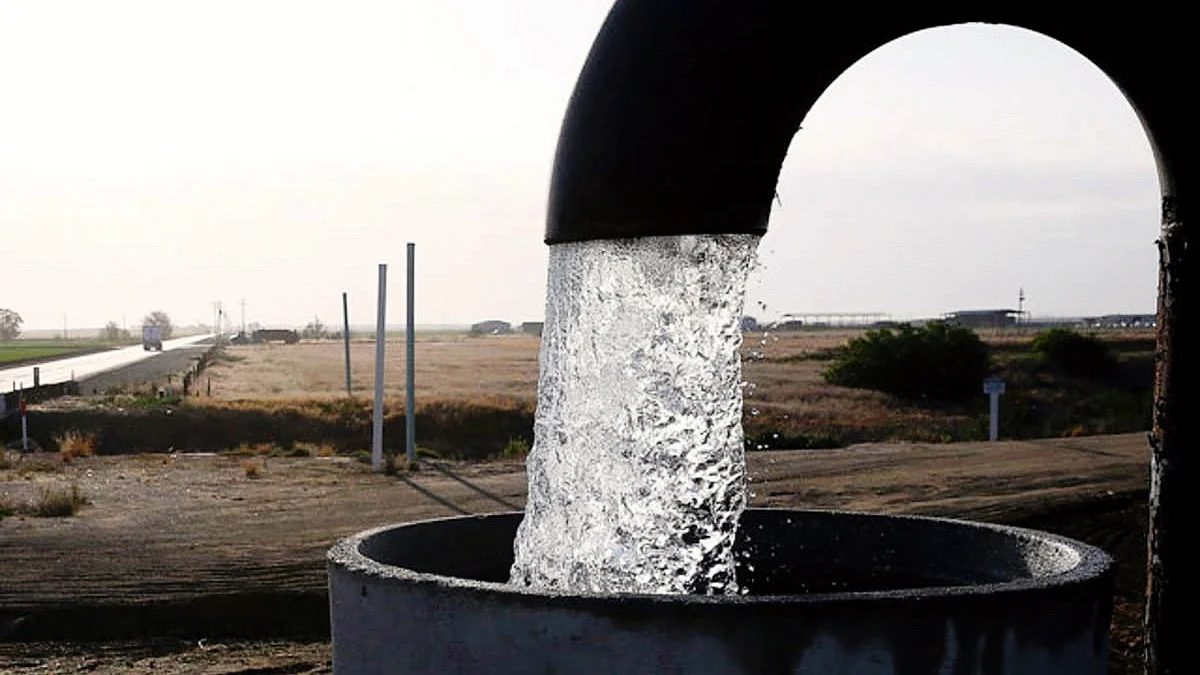


The National Green Tribunal (NGT) has directed the Uttar Pradesh Ground Water Department to examine allegations of illegal groundwater extraction in Noida and Greater Noida, asking it to conduct a field verification and initiate action if unauthorised borewells or tube wells are found to be operating.
The order comes against the backdrop of growing concern over India's rapidly shrinking groundwater reserves. India is the world's largest user of groundwater, accounting for roughly a quarter of global extraction. Groundwater meets about 85 per cent of rural drinking water needs, nearly half of urban water demand and more than 60 per cent of irrigation requirements, making unchecked extraction a major environmental and economic concern.
A bench of NGT chairperson Justice Prakash Shrivastava and expert member Afroz Ahmad was hearing a petition filed by environmental conservationist Vikrant Tongad, who alleged that private builders, industries and individuals were illegally extracting groundwater in parts of Noida and Greater Noida.
The petition specifically identified Sectors 145 and 153 in Noida, and Sectors 94 and 150 in Greater Noida's Tech Zone, where it alleged unauthorised groundwater extraction was taking place through borewells and tube wells.
Appearing for the petitioner, advocate Akash Vashishtha told the tribunal that repeated representations had been made to the Central Ground Water Authority (CGWA) and other authorities, but no effective action had followed.
"We have been continuously writing to the Central Ground Water Authority (CGWA) and other concerned authorities seeking action to prevent illegal groundwater extraction, but to no avail," Vashishtha submitted.
In its order, the tribunal observed that the Uttar Pradesh groundwater department was the competent authority to examine the allegations in the first instance.
The NGT disposed of the petition while granting the applicant liberty to submit a detailed complaint, along with supporting material, to the department.
"On receipt of the same, [the department] will duly consider the complaint... will get the ground verification done and if any tube wells/bore wells are found to be illegally operating, will take appropriate remedial and punitive action in accordance with law by duly following the principles of natural justice," the tribunal said.
It directed the department to complete the exercise as expeditiously as possible, preferably within three months.
The case highlights a persistent challenge in India's groundwater governance. Although recent assessments by the Central Ground Water Board indicate an improvement in overall groundwater recharge and a decline in the number of over-exploited assessment units, annual groundwater extraction remains among the highest in the world, at about 245 billion cubic metres.
As of the 2024 assessment, more than 11 per cent of India's groundwater assessment units remain categorised as "over-exploited", where extraction exceeds natural recharge. Experts have repeatedly warned that illegal and unregulated extraction, particularly in rapidly urbanising regions, continues to place severe stress on aquifers despite improvements in the national picture.
With PTI inputs
Join our official telegram channel (@nationalherald) and stay updated with the latest headlines