


Satellite analysis identifies US as ‘super-emitters’ of planet-heating methane
UCLA study identifies Energy Transfer facility in Louisiana as the biggest single methane ‘super-emitter’
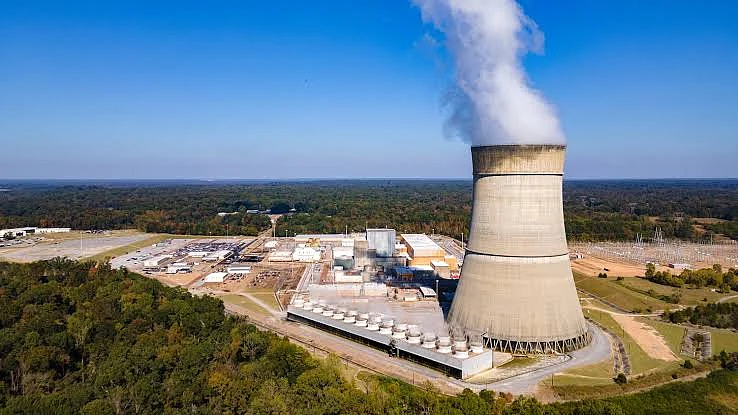


A gas processing facility operated by Energy Transfer near Shreveport, Louisiana, has been identified as the largest single methane “super-emitter” among US oil and gas operations analysed in a new study based on satellite data.
The study by researchers at the University of California, Los Angeles (UCLA) examined methane plumes detected by the Tanager-1 satellite between January 2025 and June 2026 across the Permian, Appalachian and Haynesville-Bossier oil and gas basins.
The Energy Transfer facility recorded an average methane emission rate of 1.56 tonnes an hour during the period, about 15 times the threshold used by a Biden-era US Environmental Protection Agency (EPA) programme to define a super-emitter event. The Trump administration has put implementation of that programme on hold.
The UCLA analysis combined satellite observations with public records to identify operators potentially responsible for major methane plumes. Researchers said identifying sources can be difficult because official records do not always clearly link large emissions to specific facilities or because multiple oil and gas leases are located close together.
Energy Transfer was linked to four of the 15 sites highlighted in the rankings and was responsible for 75 methane plumes during the study period — three times as many as the next-largest operator. Enterprise Products, Targa Resources and Enlink were among the other companies identified as major sources.
Energy Transfer CEO Kelcy Warren has donated millions of dollars to US President Donald Trump’s election campaign and has previously criticised net-zero emissions policies.
Energy Transfer did not respond to questions about whether the Shreveport facility was intentionally venting methane or had experienced a leak. The company has previously reported measures including optical gas imaging inspections to identify emissions.
Cara Horowitz, executive director of the UCLA Emmett Institute and an author of the report, said satellite monitoring was revealing emissions that had previously gone undetected.
“Many of these sites are repeat offenders linked to not one but multiple mega plumes,” she said, adding that the oil and gas industry could no longer ignore “super-sized pollution events seen from space”.
The study identified 1,097 methane plumes from oil and gas sources across the three basins. Researchers were able to identify a potentially responsible operator in about one-third of the cases. The basins account for about two-thirds of US gas production and are important to the country’s expanding liquefied natural gas export industry.
Researchers said official figures may significantly underestimate methane pollution. A separate recent estimate put actual US oil and gas methane emissions at about 64% higher than EPA figures.
Methane is a potent greenhouse gas, trapping about 80 times more heat than carbon dioxide over a 20-year period. It is released during oil and gas extraction and transport, as well as from landfills and agriculture.
Sharon Wilson, director of the advocacy group Oilfield Witness, said she had observed methane releases at oil and gas sites that were not detected by satellites, particularly during cloudy conditions.
“Just a fraction of what is happening is being reported,” she said.
The UCLA researchers noted that some facilities had shown signs of improvement. Three of the 10 sites with the largest emissions, including the two highest-ranked facilities, had recorded no methane plumes in their most recent satellite observations.
The Trump administration has moved to roll back Biden-era measures aimed at reducing methane emissions, including enforcement and reporting requirements and fees on methane pollution. EPA Administrator Lee Zeldin has criticised such regulations as excessive government intervention in the oil and gas industry.
Boardwalk Pipeline Partners, whose facility near Shreveport ranked 10th in the UCLA list, said it had reduced emissions in recent years and that methane released during inspections and maintenance was part of safe operations. It said the facility complies with state and federal regulations.