


A silent crisis: scorching heat, rising UVI
Rising temperatures, pollution and surface ozone levels are producing a deadly ‘chemical cocktail’ in south India
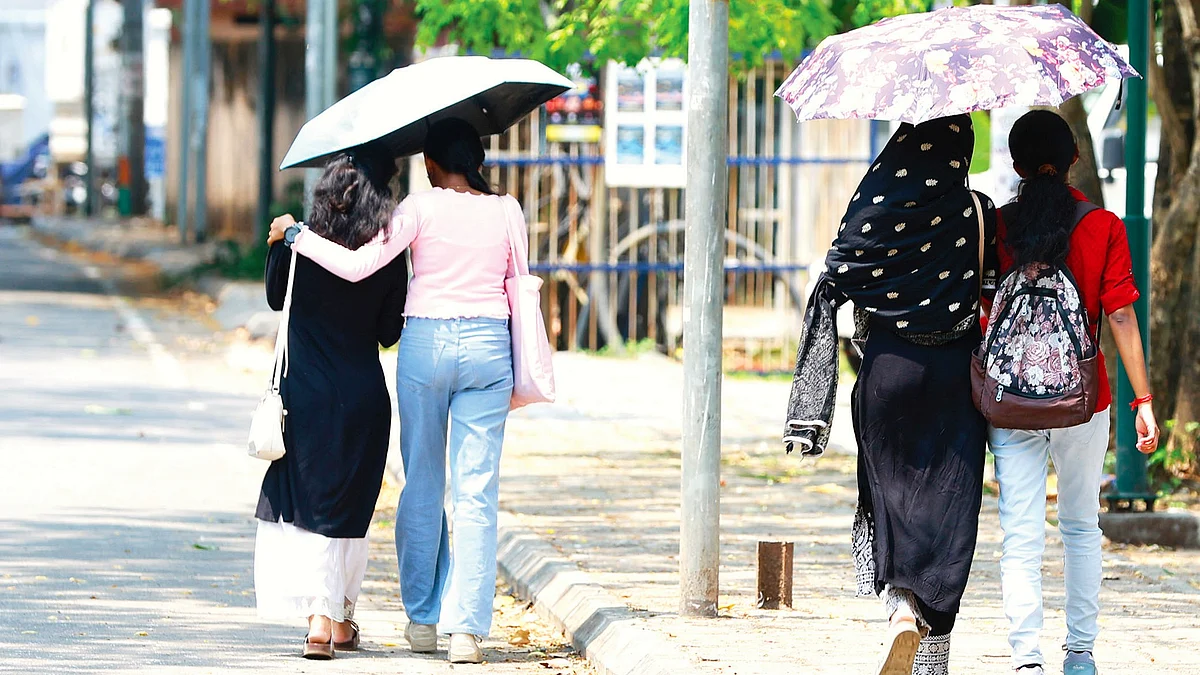


While north and central India saw unseasonal April showers this year, south India is facing a formidable environmental challenge: scorching heat coupled with rising ultraviolet (UV) radiation and surface ozone levels. Unlike the dry heatwave in the north, the combination of rising heat, humidity and dangerous UV rays in south India signals a looming health emergency.
In Kerala, the sharp rise in UV radiation has prompted the Kerala State Disaster Management Authority (KSDMA) to issue an orange alert in six districts cautioning the public against prolonged exposure to direct sunlight. Latest data show a UV index level of 8 in Pathanamthitta, Alappuzha, Kottayam, Idukki, Kollam and Palakkad — high enough to pose serious health risks. Authorities warn that direct sun exposure in these areas could cause sunburn, skin disorders and eye ailments.
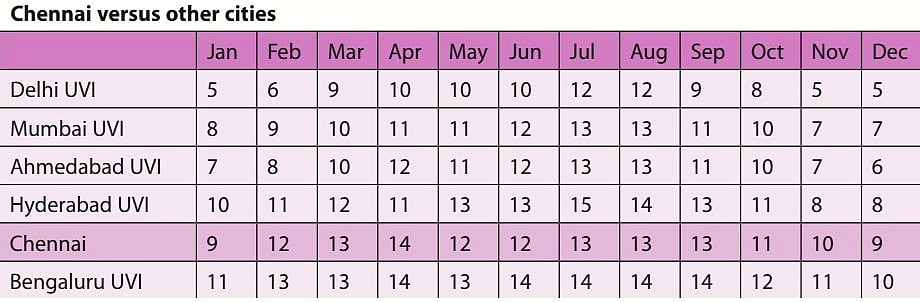
In Bengaluru, the city’s afternoon UV index has surged to 13, classified as ‘extreme’ by World Health Organization (WHO) standards. This rapid jump — from 10 to 13 in just two days in the third week of April — is a worrying development. Similarly, Chennai has recorded UV levels as high as 13 around noon. Understanding these extreme indices is vital for residents to protect their skin and overall health in a tropical city with year-round sun exposure.
Chennai versus other cities
A quick scan (see table below) highlights how UV exposure in Chennai compares with other major cities across India. This comparison helps travellers and residents better understand regional sun intensity and plan outdoor activities with sun safety in mind.
Also Read: December in March spells doom
The southern coastal regions, once known for their pleasant climate, lush greenery and abundant water resources, now confront a frightening phase of climate change. Tamil Nadu, Karnataka and Kerala have experienced premature and intense heatwaves this year. The region’s proximity to the equator and varied altitudes amplify the sun’s impact, making south India more vulnerable to UV damage than north India.
This year’s figures are alarming. Bengaluru, once called the ‘Garden City’, has recorded a UV index between 12 and 13. An index above 11 is ‘extreme’, which means that just ten minutes in the sun without protection can cause permanent damage to skin cells.
The drying of water bodies — like Pallikaranai in Chennai — has intensified UV reflection, further increasing the intensity of local radiation. Kochi and Thiruvananthapuram report UV indices between 10 and 11. A recent KSDMA report reveals that about 80 per cent of Kerala’s regions surpass safe radiation limits.
Meanwhile, surface ozone — normally protective in the stratosphere — has become toxic at the ground level due to heat and pollution, particularly from vehicle emissions reacting with nitrogen oxides. This ‘chemical cocktail’ exacerbates respiratory diseases like asthma and lung inflammation, which have surged by over 20 per cent across southern metro areas.
The dual onslaught of ultraviolet rays and ozone has triggered serious health problems. UV radiation directly damages DNA, increasing risks of early onset of skin cancer. Eye exposure threatens cataracts and early blindness. Very high UV levels weaken immunity, further endangering vulnerable populations — daily wage workers, street vendors and construction labourers exposed to the sun for long hours.
Also Read: The irreversible course of damage
The result? Rising cases of heat stroke, kidney ailments and severe dehydration, as reported from the hinterlands of Karnataka and Tamil Nadu.
The ecological fallout is equally grave. Crops in Tamil Nadu and Karnataka show diminished photosynthesis due to UV exposure, impacting yields of sensitive plants like paddy and pulses. Rising sea temperatures and radiation disrupt marine ecosystems, destroying plankton populations which are foundational to the local fisheries.
Wetland degradation — such as the disappearance of 165 water sources in Pallikaranai — not only causes water scarcity but also eliminates natural cooling systems that historically regulated temperature.
The current climate imbalance surpasses a mere temperature increase — it threatens the survival of both humans and biodiversity. Government initiatives in the past, like the Green Credit Programme, have faltered due to lack of scientific direction. Effective action requires real-time UV monitoring in every city, preservation and expansion of dense urban forests to reduce the effects of ozone naturally, and regulatory measures such as prohibiting manual labour during peak afternoon hours.
Southern India stands at a critical crossroads. From Bengaluru’s tech hubs to the serene backwaters of Kerala and the coastal plains of Tamil Nadu, this perilous nexus of heat, UV radiation and pollution reflects a collective failure to safeguard the environment. Without urgent, transformative policy interventions focused on conservation, water resource protection, and pollution control, this vibrant region risks becoming inhospitable for future generations.
The time to act is now — not to spell doom and gloom but to implement bold, swift changes that secure a safe and liveable environment for all.
More by the writer here
Join our official telegram channel (@nationalherald) and stay updated with the latest headlines