


Winter firewood use linked to higher air pollution and early deaths: Study
Study estimates that these emissions are linked to nearly 8,600 premature deaths each year in US
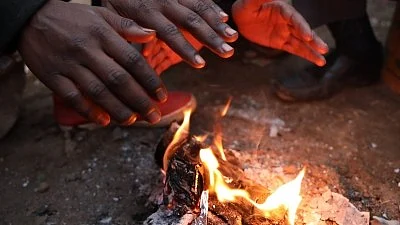


As winter chills sweep across the United States, a hidden threat is quietly clouding the air: the warmth of burning firewood in homes. A new study published in Science Advances reveals that residential wood burning is a surprisingly potent contributor to air pollution and premature deaths during the coldest months.
Researchers from Northwestern University found that smoke from wood-burning furnaces, fireplaces, stoves, and boilers accounts for roughly 22 percent of fine particulate matter (PM2.5) pollution in winter, making it one of the single largest sources of airborne particles in this season. Alarmingly, the study estimates that these emissions are linked to nearly 8,600 premature deaths annually in the US.
Daniel Horton, associate professor of Earth and Atmospheric Sciences at Northwestern, noted the paradox. “We frequently hear about the negative health impacts of wildfire smoke, but rarely consider the consequences of burning wood for heat in our own homes,” he said. Horton emphasized that while relatively few households rely on wood for warmth, a shift to cleaner or non-burning heating methods could yield outsized improvements in air quality and public health.
Using a sophisticated high-resolution atmospheric model, the researchers tracked how wood smoke travels and transforms in the atmosphere. Their simulations accounted for wind, temperature, terrain, and atmospheric chemistry, revealing that emissions from home wood burning not only release primary pollutants like black carbon but also react in the atmosphere to form additional fine particulate matter.
The study highlighted that particulate pollution from wood burning is particularly insidious in cities and suburbs. Smoke from suburban homes can drift into densely populated urban cores, compounding health risks even for those living far from wood-burning sources. Even cities in warmer climates, where wood burning is uncommon, can face spikes in pollution during cold snaps or from recreational burning.
Horton warned, “Wood burning emissions enter the atmosphere and are transported over long distances, affecting communities far removed from the original source. The cumulative effect is a significant public health concern.”
The study’s findings underscore the urgent need to rethink winter heating strategies. By moving away from traditional wood-burning appliances toward cleaner alternatives, communities could dramatically reduce exposure to hazardous fine particulate matter and lower the risk of cardiovascular diseases and premature deaths.
With IANS inputs
Join our official telegram channel (@nationalherald) and stay updated with the latest headlines