


World leaders put climate action, fossil-fuel transition on agenda ahead of UN General Assembly
Albanese, Frostadóttir and other leaders highlight climate risks, energy security and the economic case for renewables ahead of UN General Assembly
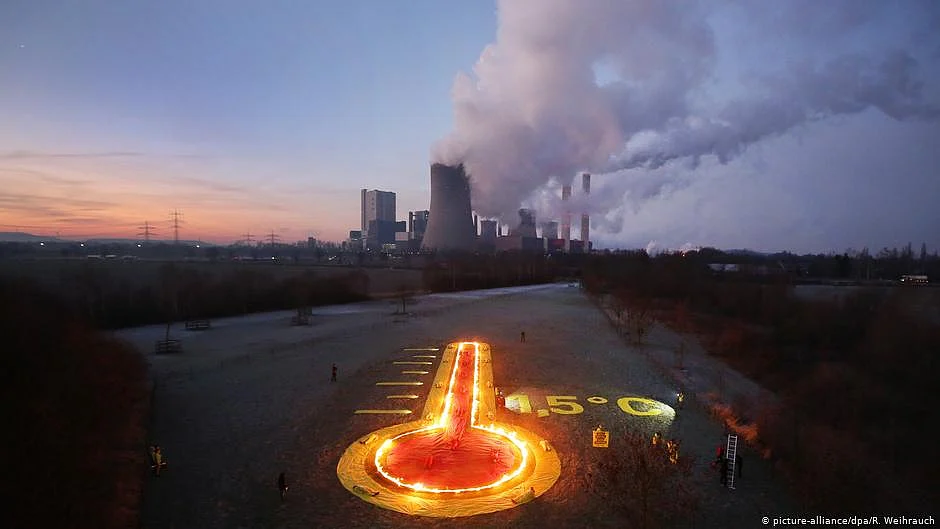


World leaders put climate action and the transition from fossil fuels on the agenda at Climate Week in New York
Australia and Iceland highlighted renewable energy and climate resilience efforts
Speakers linked fossil-fuel dependence to economic and national security risks amid extreme weather and geopolitical tensions
World leaders and senior officials used the opening of Climate Week in New York to highlight the need to accelerate action on climate change and reduce dependence on fossil fuels, as countries grapple with extreme weather, energy insecurity and geopolitical tensions.
Australian prime minister Anthony Albanese, who delivered the opening keynote on 21 September, said the increasing frequency and intensity of extreme weather events were consistent with scientific projections of a warming planet. He highlighted Australia’s efforts to support Pacific nations dealing with climate impacts.
Icelandic prime minister Kristrún Frostadóttir, who delivered the closing remarks, pointed to her country’s transition to geothermal energy as an example of how energy crises can accelerate changes in national energy systems. Iceland now relies on renewable energy for nearly all home heating, with geothermal power accounting for more than 90% of heating.
UN assistant secretary general for climate action Selwin Hart said the war involving Iran had underscored the risks of continued dependence on fossil fuels and argued for a faster transition to alternative energy sources.
UK foreign minister Ed Miliband also linked energy dependence to national security, citing the Russian invasion of Ukraine and the conflict involving Iran. He said countries needed to incorporate climate and nature risks into national security planning and share information because disruptions can spread through supply chains, financial markets and migration.
Retired British army officer Lt Gen Richard Nugee said militaries would also need to adapt to changing environmental conditions. He cited rising temperatures in Gulf waters as a potential challenge for naval systems and said hybrid technology could offer advantages for some military vehicles beyond reducing emissions.
The private sector also highlighted the economic incentives for the transition. Karen Pflug, chief sustainability officer at Ingka Group, the largest Ikea retailer, said energy-efficiency measures had reduced the company’s costs, while the group has announced a solar park in South Carolina with 178,000 panels.
Climate Week organisers said more than 100,000 people are expected to attend this year’s event, which runs alongside the UN General Assembly. The event is taking place amid extreme heat, wildfires, flooding and a record-breaking El Niño, while organisers have also warned of “climate hushing” as political and business leaders focus on wars, inflation and economic pressures.
Join our official telegram channel (@nationalherald) and stay updated with the latest headlines