


62 killed as anti-govt protests intensify in Iran
Iranian authorities remain silent on casualty figures, admitting only “casualties,” while media report widespread violence
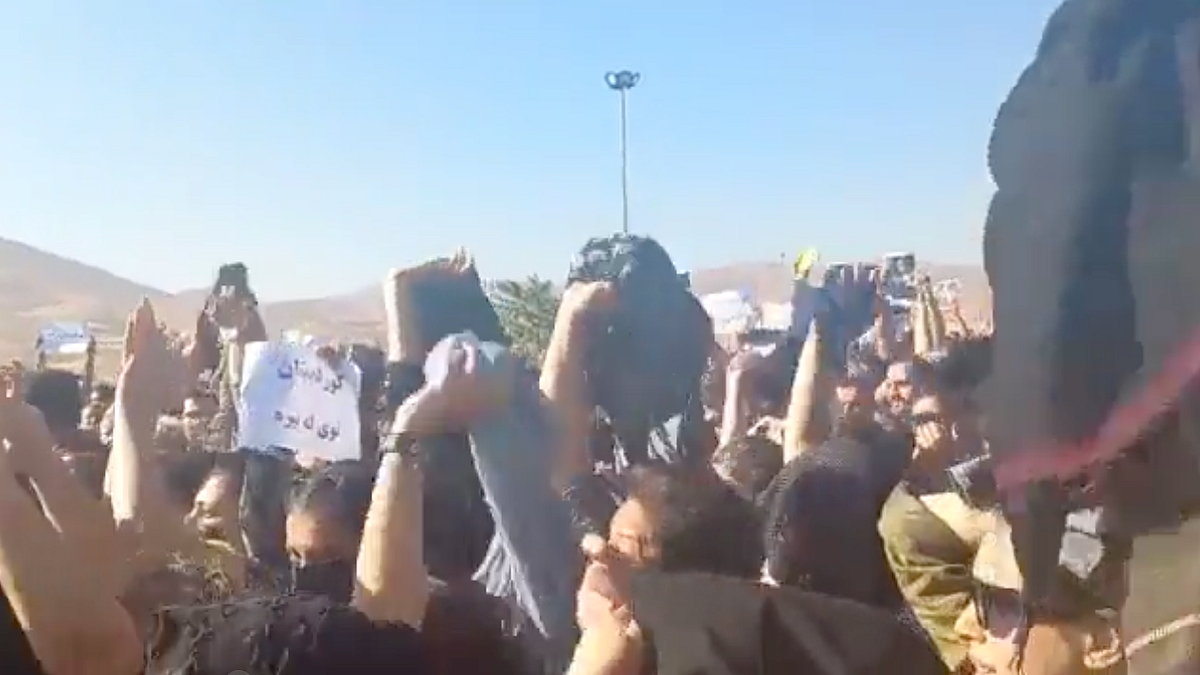


Waves of unrest continue to sweep across Iran, as anti-government protests blossom into a nationwide upheaval, showing no signs of abating. What began in Tehran’s bustling markets on 28 December as a response to soaring inflation and the dramatic collapse of the rial has now spread across the country, touching cities and towns from the capital to remote provinces.
The demonstrations have proven both fiery and fatal. Rights organisations monitoring the unrest report at least 62 people killed since the protests began, with thousands more detained. Iranian authorities have largely remained silent on casualty figures, acknowledging only that there have been “casualties,” while media reports confirm widespread violence.
In a bid to control the flow of information, the government has imposed a nationwide internet and communications blackout, echoing measures used during previous waves of unrest.
Amid the chaos, supreme leader Ayatollah Ali Khamenei has taken a defiant stance, denouncing protesters as “vandals” and “saboteurs”, accusing them of acting at the behest of foreign adversaries, and warning that demonstrations will be met with decisive force. Security forces are expected to intensify their crackdown, even as loyalists are urged to stand firm.
The protests have also taken on a symbolic and political dimension. Demonstrators have been heard chanting slogans such as “Death to the dictator!” and calling for the return of the exiled crown prince Reza Pahlavi, reflecting widespread frustration and a desire for systemic change. Pahlavi has leveraged social media to appeal directly to international leaders, including US President Donald Trump, urging immediate intervention and support for those facing government repression.
On the diplomatic front, Iranian state media has accused the United States and Israel of fomenting unrest, framing the protests as part of a foreign conspiracy. Khamenei has publicly condemned external interference, amplifying tensions on the international stage.
From their initial spark over economic hardship, the protests have evolved into a broader challenge to Iran’s entrenched political order. The demonstrations now cast a long shadow over the Islamic Republic, signaling a deepening crisis that resonates across cities, villages, and the very heart of Iranian society.
With IANS inputs
Join our official telegram channel (@nationalherald) and stay updated with the latest headlines