


Afghan-Pakistan clashes worsen humanitarian crisis, over 10,000 displaced: UN
At least 7 killed, 79 injured in 27 April airstrikes and shelling in Asadabad and parts of Kunar province, reports say
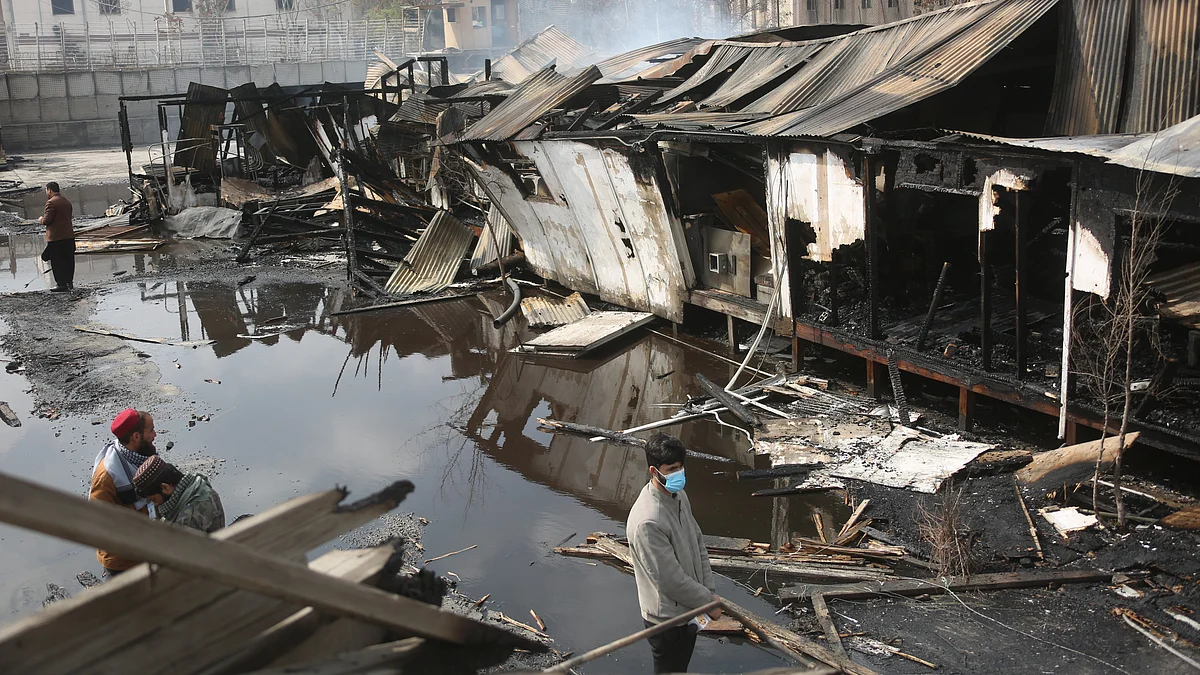


Renewed border clashes between Afghan and Pakistani forces have sharply worsened humanitarian conditions in eastern Afghanistan, with thousands displaced and critical infrastructure damaged, the United Nations Office for the Coordination of Humanitarian Affairs (OCHA) has warned.
At least seven people were killed and 79 others injured in airstrikes and shelling that struck Asadabad city and parts of Kunar province on 27 April, according to local reports. The violence has damaged key civilian facilities, including a fuel station, sections of a university dormitory, a religious affairs office, and a drug rehabilitation centre.
OCHA said the destruction is placing additional strain on already fragile public services, with increasing damage reported to health centres and schools in recent weeks.
The ongoing clashes, which have intensified since February, have forced more than 10,000 people to flee their homes across eastern and southeastern Afghanistan, particularly in Kunar, Nangarhar and Khost provinces. Displaced families are facing acute shortages of shelter, food and medical care.
Healthcare services have been severely disrupted, with at least 19 facilities shut, suspended, or operating at reduced capacity, affecting around 78,000 people. Water supply systems in several villages have also been damaged, heightening the risk of disease outbreaks.
The education sector has taken a hit as well, with over 13,000 students impacted in Kunar and Nangarhar after dozens of schools were damaged or rendered unusable.
OCHA cautioned that continued insecurity, damage to infrastructure, and limited humanitarian access are compounding the crisis and slowing recovery efforts. Aid agencies have called for urgent relief assistance, alongside reconstruction of essential infrastructure such as schools, clinics and water systems.
Meanwhile, tensions between Kabul and Islamabad continue to escalate, with both sides accusing each other of fuelling instability. Diplomatic efforts have so far failed to ease the situation.
In a strong response, Afghanistan’s Ministry of Foreign Affairs summoned the Pakistani Charge d’Affaires in Kabul over the recent attacks, handing over a formal protest. The ministry condemned the strikes on civilian targets and infrastructure, including facilities near the Durand Line, calling them a violation of Afghanistan’s territorial integrity and international norms.
Rejecting allegations that it triggered the escalation, Kabul said it reserves the right to defend its territory and warned that continued “irresponsible actions” could lead to “undesirable consequences”.
With no immediate de-escalation in sight, the region remains on edge as humanitarian needs continue to mount.
With IANS inputs
Join our official telegram channel (@nationalherald) and stay updated with the latest headlines