


Amid threats and armadas, Iran keeps door open for ‘fair’ talks with US
Iranian FM Abbas Araghchi says Iran is open to talks but its defensive and missile capabilities are off-limits
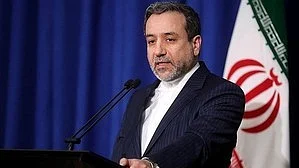


Amid a swirl of escalating tensions in the Persian Gulf, Iran signaled a willingness to engage in “fair and equitable” talks with the United States — though it drew a firm line: diplomacy must not unfold “under the shadow of threats”, the Al Jazeera reported.
Speaking from Turkiye on Friday, Iranian foreign minister Abbas Araghchi struck a tone of guarded openness, telling reporters that while Iran has no objection to negotiations, its defensive and missile capabilities are sacrosanct.
“I should also state unequivocally that Iran’s defensive and missile capabilities – and Iran’s missiles – will never be the subject of any negotiations,” he declared alongside Turkish counterpart Hakan Fidan. “The security of the Iranian people is no one else’s business, and we will preserve and expand our defensive capabilities to whatever extent is necessary to defend the country.”
The remarks come as tensions have steadily escalated between Tehran and Washington, fueled by US President Donald Trump’s repeated threats of military action over Iran’s crackdown on antigovernment protests and its nuclear program. Earlier this week, Trump announced that a “massive armada,” spearheaded by the USS Abraham Lincoln aircraft carrier, was sailing toward Iranian waters and that the US was ready to use “violence, if necessary” to secure a new nuclear agreement.
Speaking to reporters at the White House on Friday, Trump emphasised that the United States was sending “a larger number of ships” toward Iran. “And hopefully we’ll make a deal,” he said. “If we do make a deal, that’s good. If we don’t make a deal, we’ll see what happens.”
According to Al Jazeera, Trump hinted at a deadline for Iran, though “only Iran knows what that deadline is,” leaving the world in suspense.
Trump, who withdrew the United States from the 2018 nuclear deal that curtailed Iran’s uranium enrichment in exchange for sanctions relief, has pressed Tehran to halt enrichment entirely. Washington has accused Iran of seeking nuclear weapons — a charge the Iranian leadership has repeatedly denied.
In response, Tehran has maintained a posture of cautious readiness. While senior officials repeatedly express willingness to negotiate, they insist that military threats must cease before dialogue can begin. Iran has also underscored that its armed forces remain prepared to respond if provoked.
Regional powers have moved to mediate, attempting to avert a direct confrontation. Turkish President Recep Tayyip Erdogan spoke with his Iranian counterpart Masoud Pezeshkian, offering Ankara’s services as a “facilitator” between the two nations. Meanwhile, Turkish Foreign Minister Hakan Fidan reported extended discussions with US special envoy Steve Witkoff and vowed to keep diplomatic channels open.
Standing beside Araghchi, Fidan emphasised that nuclear negotiations must restart, paving the way for a gradual lifting of sanctions. “We call the parties to the negotiating table” to address each issue “one by one,” he said, reflecting a rare glimmer of hope amid a tense geopolitical standoff.
As the world watches, the delicate dance between threats and diplomacy continues, with the fate of regional stability — and potentially far-reaching global consequences — hanging in the balance.
Join our official telegram channel (@nationalherald) and stay updated with the latest headlines