


Belarus frees 123 political prisoners in sanctions deal with United States
Maria Kolesnikova and Nobel laureate Ales Bialiatski among prisoners freed under US-brokered deal
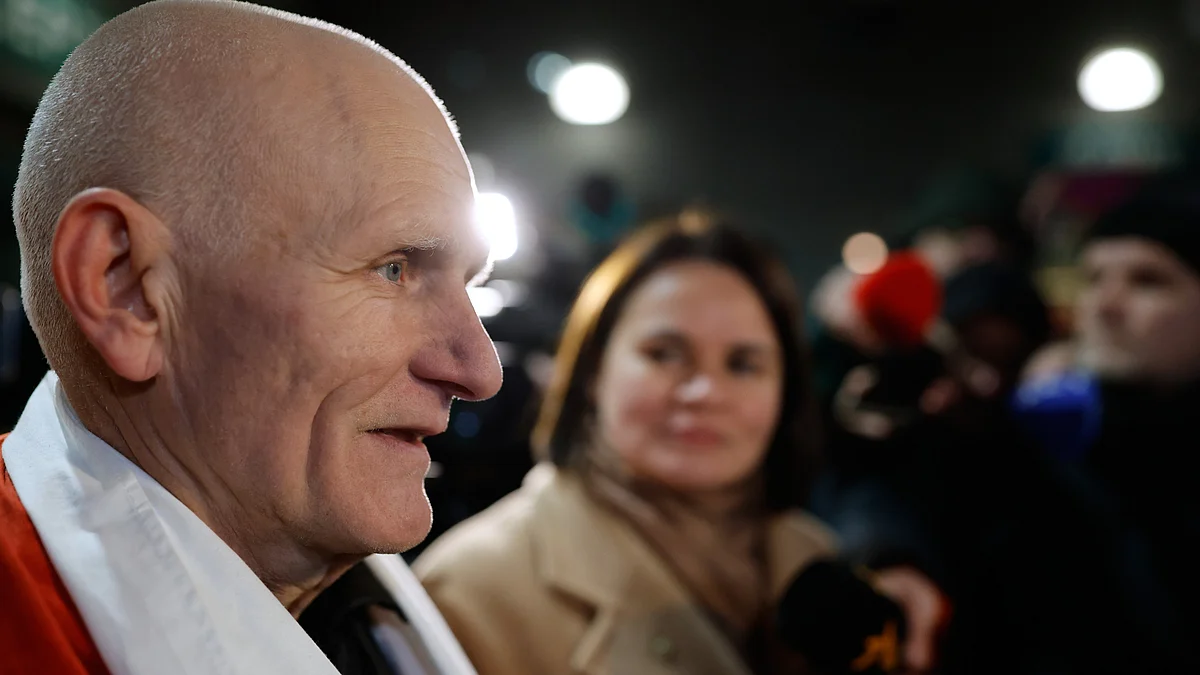


In a dramatic turn of events that could reshape the political landscape of Belarus, 123 prisoners, including prominent Opposition activist Maria Kolesnikova and Nobel Peace Prize laureate Ales Bialiatski, were released following a high-stakes agreement with the United States.
The deal, struck after intensive talks in Minsk with John Coale, President Trump’s special envoy for Belarus, also paved the way for the easing of certain US sanctions, notably on Belarus’s critical potash exports — a lifeline for the country’s economy.
Kolesnikova, imprisoned since 2020 and long confined in isolation for her Opposition to President Alexander Lukashenko’s regime, was among those handed over to Ukraine alongside 113 other released prisoners. According to Ukrainian authorities, after receiving urgent medical care, the freed prisoners will be transported onward to Poland and Lithuania, a step that underscores the transnational nature of this remarkable diplomatic achievement.
Exiled Opposition leader Svetlana Tikhanovskaya, who had been vigilantly waiting outside the US embassy in Vilnius, hailed the release as a triumph of “brilliant” US diplomacy combined with steadfast European Union pressure. Speaking on social media, she thanked Ukraine and its leaders, emphasizing the courage and resilience of the newly freed activists. “Today, we are one step closer to change in Belarus,” she wrote. “Many of the people who made the 2020 uprising possible are now free. They are more than symbols; they are the conscience of our nation.”
Yet Tikhanovskaya reminded the world that the struggle is far from over. Over 1,100 political prisoners remain behind bars, she stressed, vowing continued efforts until every Belarusian detained for their beliefs is released.
For President Lukashenko, the agreement represents a strategic victory as well, offering a partial thaw in his international isolation. The easing of sanctions and renewed engagement with Washington provide a measure of economic relief and diplomatic legitimacy, even as the European Union continues to refuse recognition of his presidency following widely criticized elections five years ago.
The prisoner release stands as a potent symbol of both hope and tension: a vindication for the activists who endured years of repression following the 2020 mass protests, yet a reminder of the unfinished struggle for democracy and justice in Belarus.
As Kolesnikova, Bialiatski, and others regain their freedom, the eyes of the world remain fixed on the nation — watching to see whether this historic gesture will mark the beginning of a new chapter or a fleeting moment in a long and arduous journey toward political reform.
With IANS inputs
Join our official telegram channel (@nationalherald) and stay updated with the latest headlines