


Between truce and turmoil: West Asia awaits Iran deal
While Trump says a deal could be signed as early as Sunday, Tehran rejects timeline, insisting any agreement is more likely in coming days
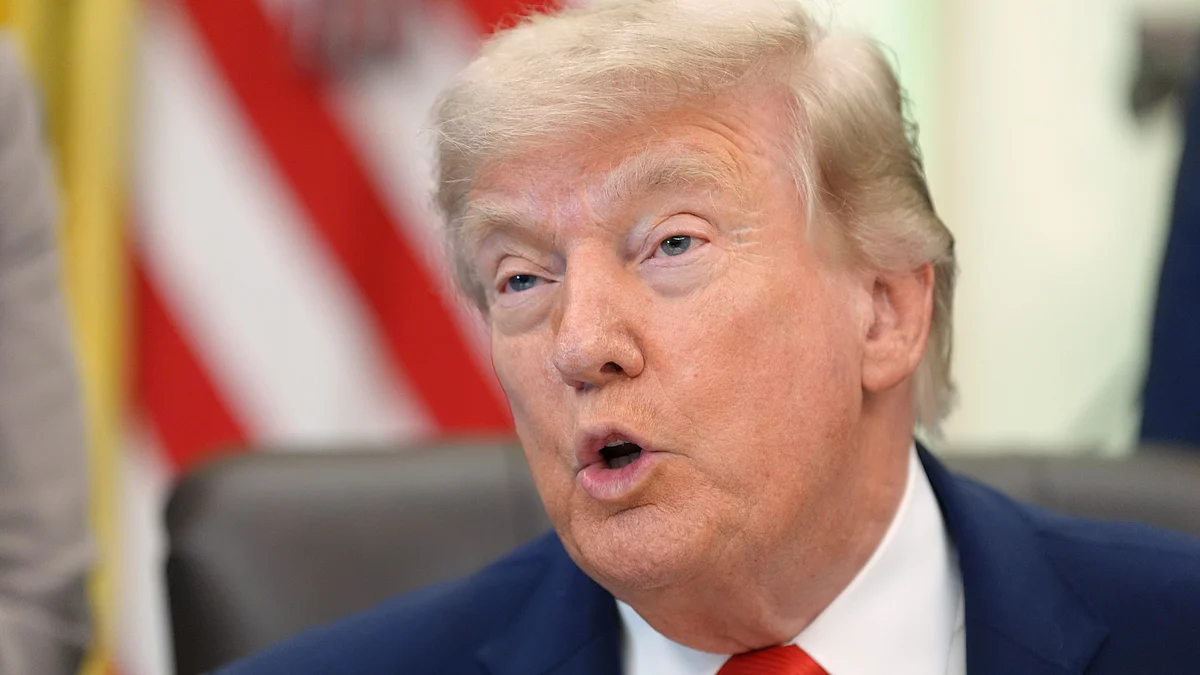


Diplomatic currents in West Asia appeared to gather momentum on Sunday, with renewed discussion around a possible agreement aimed at halting the conflict involving Iran.
While US President Donald Trump suggested that a deal could be signed as early as Sunday, Tehran pushed back against the timeline, maintaining that any formal agreement was more likely to materialise in the coming days rather than within hours.
The prospect of a breakthrough has sparked cautious optimism across the region, where months of military confrontation and mounting uncertainty have fuelled fears of a wider conflict.
Trump also claimed that the strategically vital Strait of Hormuz — one of the world's most critical energy transit routes — would be reopened fully to international shipping once an agreement is reached. He further asserted that the United States would ultimately gain control of Iran’s nuclear material, a claim that has not been publicly endorsed by Iranian officials.
Even as diplomatic efforts continue, violence has yet to subside on the ground. Powerful explosions were reported across parts of southern Lebanon, where Israeli military operations persisted despite growing calls for de-escalation. Iranian officials have repeatedly stressed that any ceasefire arrangement must extend beyond Iran and encompass Lebanon as well, arguing that lasting regional stability cannot be achieved through a narrowly focused agreement.
Against the backdrop of these developments, Iran is also preparing for a period of national mourning. According to Iranian media reports, funeral ceremonies for the late Supreme Leader Ali Khamenei will commence in Tehran on 4 July. The ceremonies are expected to draw large crowds from across the country before concluding with his burial in the holy city of Mashhad on 9 July, marking a significant moment in the Islamic Republic's political and religious history.
As negotiations continue and military tensions linger, the region remains suspended between the promise of diplomacy and the persistent realities of conflict, with the coming days likely to prove decisive for the future of West Asia.
Join our official telegram channel (@nationalherald) and stay updated with the latest headlines