


BNP’s victory reflects voters’ rejection of Islamist radicals, says Taslima Nasrin
Exiled Bangladeshi writer says absence of Awami League shaped poll outcome; calls for protection of minorities under new government
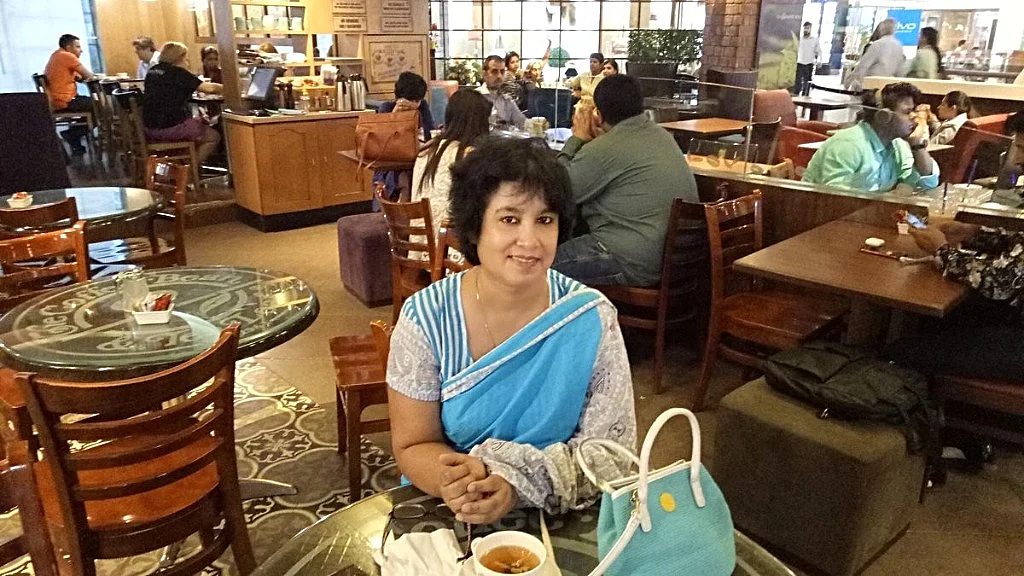


Bangladeshi author Taslima Nasrin has said that the sweeping victory of the Bangladesh Nationalist Party (BNP) in the recent general election reflects the electorate’s determination to keep Islamist radicals away from power rather than an overwhelming endorsement of the party itself.
Speaking to PTI Videos, Nasrin said the strong presence of the Jamaat-e-Islami Bangladesh as the principal opposition was a worrying sign for democratic and progressive values in the country. She noted that although the group attracts large crowds at rallies, it has not managed to convert that support into votes.
According to Nasrin, many voters backed the BNP primarily to prevent what she described as “Pakistan-backed radicals” from coming to power. She also pointed to the absence of the Awami League in the contest as a significant factor, saying it left the BNP as the only viable option for many voters.
The BNP, led by Tarique Rahman, secured a decisive mandate in the February 2026 elections, winning 209 of the 298 contested seats. With three additional seats won by its allies, the alliance crossed the majority mark in the 299-member Jatiya Sangsad, Bangladesh’s national parliament. The Jamaat-led opposition bloc managed to secure 77 seats.
Nasrin said she hoped the political climate and law-and-order situation in the country would improve under the new administration headed by Rahman. She referred to his public assurances about inclusive governance and security for minority communities.
The writer also expressed hope that attacks on Hindus—allegedly widespread during the interim government led by Muhammad Yunus—would cease under the new government.
Nasrin, who currently lives in New Delhi, also spoke about her continued inability to visit Kolkata, where she says she retains a large readership. The 63-year-old author was compelled to leave the city in 2008 after protests by members of the All-India Minority Forum over her book Dwikhandito.
She said she had been unable to return since, including during the tenure of Mamata Banerjee as Chief Minister of West Bengal. Nasrin described being unable to live in either Bangladesh or West Bengal—regions central to Bengali culture—as deeply distressing.
Drawing a comparison between minority communities in the two countries, Nasrin argued that Muslims in India enjoy equal access to state benefits and legal remedies. She contrasted this with the situation of Hindus in Bangladesh, whose numbers she said have declined over the years due to migration and other pressures. According to her, many hesitate to seek legal recourse when facing persecution.
Commenting on developments in Iran, Nasrin criticised the country’s clerical establishment for restricting women’s rights and enforcing compulsory hijab. At the same time, she said she did not support military intervention by the United States or Israel, arguing that such actions have resulted in civilian casualties.
Referring to an air strike on a school in the Iranian town of Minab on February 28, she questioned the justification for attacks that lead to the deaths of large numbers of civilians.
Nasrin has lived in exile since 1994 after leaving Bangladesh following threats from Islamist groups over her writings and views on religion, including criticism of interpretations of the Quran.
Join our official telegram channel (@nationalherald) and stay updated with the latest headlines