


Bondi Beach attack: Shooters identified as Pakistani-origin father-son duo
Naveed Akram is Australian-born; his father Sajid arrived in 1998 and later gained permanent residency, says minister Tony Burke
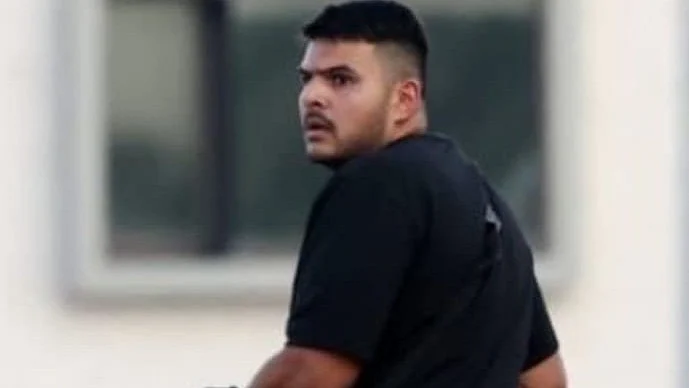


In the wake of a harrowing attack that sent shockwaves across Australia, authorities have identified the perpetrators of Sunday evening’s Bondi Beach massacre — the deadliest mass shooting in nearly three decades — as a father-son duo from Pakistan’s Lahore, police confirmed on Monday.
The gunmen, Sajid Akram, 50, and his 24-year-old son Naveed Akram, unleashed terror at the “Chanukah by the Sea” event, a Jewish festival celebration marking the first day of Hanukkah. The attack claimed 16 lives, including Sajid, with victims ranging from a tender 10-year-old girl to an 87-year-old elder, leaving families and communities devastated. Naveed, critically wounded, is currently receiving treatment in hospital.
In the days preceding the attack, the two men had told family members they were heading to the South Coast for a fishing trip. Instead, they carried out a meticulously planned assault that has left Australia grappling with grief and fear, a country otherwise renowned for its strict gun control laws.
Authorities said Naveed Akram is Australian-born, while his father, Sajid, arrived in 1998 on a student visa that later transitioned to permanent residency, according to Home affairs minister Tony Burke. Following the attack, heavily armed police raided the family home in Bonnyrigg and an Airbnb in Campsie, where the pair had been staying. Investigators also discovered a vehicle on Campbell Parade in Bondi containing several improvised explosive devices, which were being safely defused by a rescue bomb disposal unit.
“This is a terrorist attack,” New South Wales police commissioner Mal Lanyon declared, referencing the weapons and materials recovered at the scene. Evidence suggests the attackers had pledged allegiance to the Islamic State. Investigators discovered two IS flags inside their vehicle, one of which was captured on camera atop the car’s bonnet during the chaos.
Officials revealed that Naveed Akram had previously drawn the attention of Australia’s domestic intelligence agency, ASIO, around six years ago, after police disrupted plans for an IS-inspired plot. He was monitored for six months but was later deemed not to pose an ongoing threat. Sources also said Naveed had close connections with Matari, a convicted IS operative currently serving a seven-year prison sentence, and other Sydney-based men previously convicted for terrorism-related offences.
Commissioner Lanyon confirmed that Sajid Akram had been a licensed firearms holder for the past decade. Reports indicate Naveed, an unemployed bricklayer who lost his job two months ago due to insolvency, had been actively seeking employment. The family resides in a modest three-bedroom home purchased in 2024, along with Naveed’s mother Verena, his 22-year-old sister, and 20-year-old brother. Verena told local media she last heard from her son on Sunday morning, hours before the shooting, and expressed disbelief over his involvement, saying she could not recognise him in the images from the scene.
As Australia mourns the lives lost, questions loom over how a father and son could descend into such darkness, and how a community already vigilant against terror could be blindsided by tragedy. The Bondi Beach massacre, and the lives it claimed, has left the nation grappling with grief, fear, and an urgent reckoning over extremism within its borders.
With IANS inputs
Join our official telegram channel (@nationalherald) and stay updated with the latest headlines