


Canadian publisher drops writer Thelyson Orelien over AI use in novel
Orelien’s novel C’était ça ou mourir was dropped from Goncourt Prize shortlist after an AI detector flagged possible computer-generated text
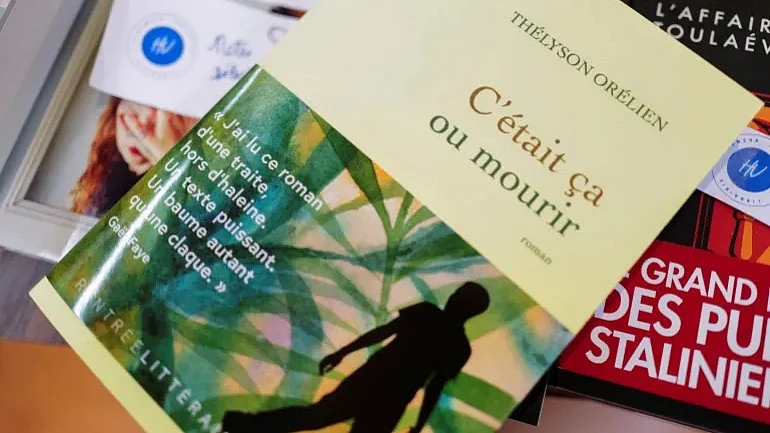


Canadian publisher Boreal has severed ties with Haitian-Canadian author Thelyson Orelien after finding traces of AI-related tags in his novel’s document metadata
Orelien’s novel C’était ça ou mourir was dropped from the Goncourt Prize shortlist after an AI detector flagged possible computer-generated text
Orelien denies AI wrote any part of the novel, saying he used the technology for research, while Boreal admits the extent of AI involvement remains unclear
Canadian publisher Boreal has ended its professional relationship with best-selling Haitian-Canadian author Thelyson Orelien after an investigation found indications that artificial intelligence (AI) was used in the writing process of his novel, It Was Either That or Die, the Al Jazeera reported.
In a statement released on Wednesday, Boreal said new information gathered over the past few days confirmed the use of AI during the novel’s development. The publisher launched a fresh investigation after allegations emerged in September, following which questions were raised about the authenticity of the book’s authorship.
“New information, confirmed over the past few days, indicates that artificial intelligence was used in the writing process” of the novel, Boreal said.
The publisher said it reviewed the available working versions of the manuscript and engaged an external party to analyse the drafts. According to Boreal, the examination revealed traces of AI-related tags in the metadata of certain documents.
“The results obtained this week revealed traces of AI tags in the metadata of certain documents,” the statement said.
However, Boreal acknowledged that it could not establish the extent to which AI had been used in the writing process and might never obtain a definitive answer.
The publisher also said it had attempted to cooperate with Orelien to collect evidence that could clarify the allegations and establish his position. Those efforts did not produce conclusive results, and the author subsequently informed the publisher that he would not provide further information.
The decision marks a reversal for Boreal, which had publicly stood by the 38-year-old writer as recently as last week, despite the controversy surrounding his breakthrough novel.
Orelien’s book, originally published in French under the title C’était ça ou mourir, explores migration and was scheduled to be translated into more than 20 countries. The novel had attracted considerable attention before the allegations threatened its international prospects.
The controversy had also affected the book’s literary recognition. France’s prestigious Goncourt Prize removed the novel from its shortlist after tests conducted using the AI-detection tool Pangram indicated a 100 per cent probability that the text contained computer-generated material.
Orelien, however, has repeatedly denied that a machine wrote any part of his novel. Earlier this month, he described the allegations as “slander and heresy” in a statement to Agence France-Presse (AFP).
The author acknowledged using digital tools during his research, particularly to check foreign idioms, but maintained that the novel’s prose and narrative were his own.
“Here and there I did use tools for research, particularly for foreign idioms,” he said.
“But not a single sentence in this book was created by a machine, nor the meaning or the structure of a story that comes from my gut,” Orelien added.
On Wednesday, Orelien maintained his position in an interview with French newspaper Libération, saying he had used AI during the creative process for historical research.
He also pointed out that he began writing the novel in late 2017, before AI services such as ChatGPT became widely available. His account distinguishes between using AI as a research aid and relying on it to generate the actual text of a literary work.
When the allegations first emerged in September, Orelien suggested that racism might have motivated the criticism directed at him.
The dispute has raised questions about the use of AI in literary writing, the standards publishers should apply when investigating authorship claims and the reliability of AI-detection tools. While Boreal says its investigation uncovered indications of AI use in the manuscript’s document metadata, it has acknowledged that it cannot conclusively determine how extensively the technology contributed to the novel.
The publisher’s decision to sever ties with Orelien therefore marks a significant development in a controversy that has put the author’s account of his writing process at odds with the findings reported by his publisher.
Join our official telegram channel (@nationalherald) and stay updated with the latest headlines