


Cardiologist questions White House disclosures on Trump’s health
Dr Jonathan Reiner has sought further details about the US president’s bruising, leg swelling, daytime sleepiness and medical examinations
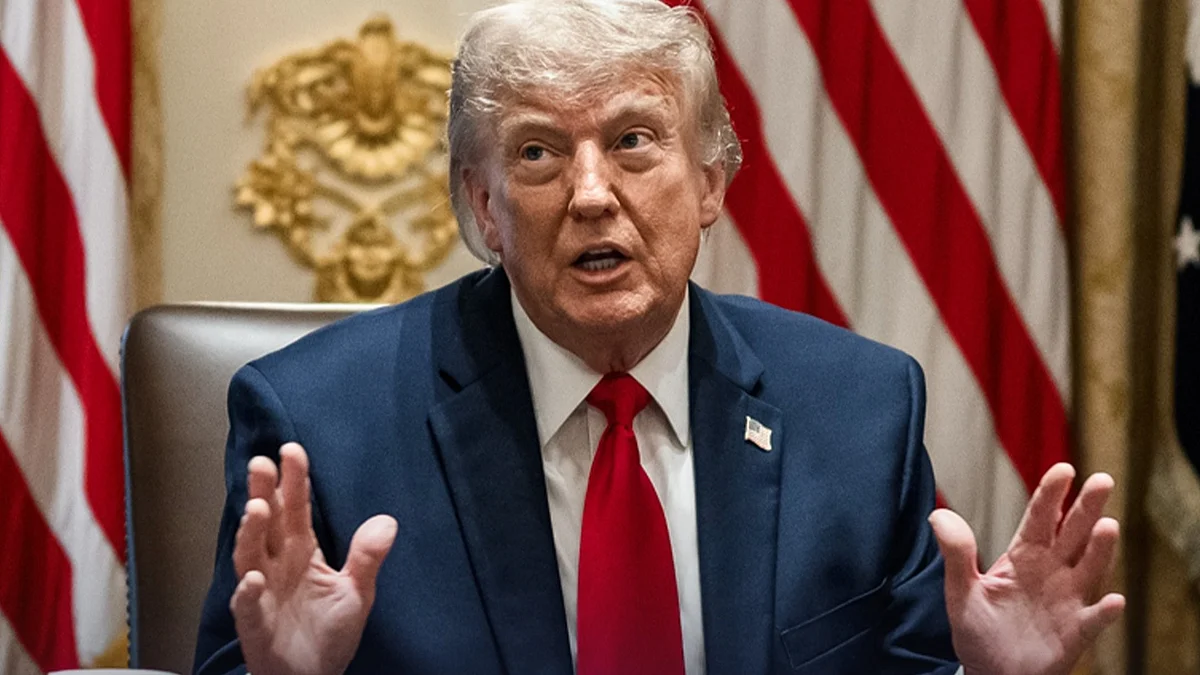


Questions about US President Donald Trump’s health have resurfaced after cardiologist Dr Jonathan Reiner argued that the White House had not released enough information about the medical condition of the 80-year-old president.
Trump’s physician, Dr Sean Barbabella, has repeatedly maintained that the president is in “excellent health” and fully capable of carrying out his duties.
The White House’s latest medical report, released in May, followed a three-hour evaluation at Walter Reed involving 22 specialists. It included cardiac and CT imaging, cancer screening and other preventive examinations.
Barbabella reported that Trump’s cardiac imaging showed no abnormalities. The president also scored 30 out of 30 on the Montreal Cognitive Assessment, a screening test used to detect possible cognitive impairment.
In an opinion article for The New York Times, Reiner contrasted the limited information released about Trump with the detailed public disclosures concerning former vice-president Dick Cheney, whom he treated for 27 years.
Cheney’s cardiac problems were widely known during his vice-presidency, Reiner noted, including the insertion of stents and a defibrillator, as well as treatment for an irregular heartbeat and a blood clot.
Reiner is not Trump’s doctor and based his observations solely on publicly available medical information. He nevertheless argued that several aspects of the president’s health required a clearer explanation.
He cited recurring bruising on Trump’s hands, swelling in his lower legs and occasions on which the president appeared to have difficulty remaining awake. Reiner also questioned why Trump had undergone advanced medical imaging without the White House fully explaining the reasons for the tests.
The White House disclosed in July 2025 that Trump had been diagnosed with chronic venous insufficiency after experiencing swelling in his lower legs. The condition, in which veins have difficulty returning blood from the legs to the heart, is generally common among older adults.
Officials said tests had found no evidence of deep-vein thrombosis, arterial disease or heart failure.
Reiner, however, questioned why the swelling had been classified as chronic when it was apparently not recorded during an earlier medical examination.
He also sought an explanation for the involvement of 22 specialists in Trump’s latest evaluation and questioned whether his reported aspirin dosage could account for the bruising visible on his hands.
Other issues raised by Reiner included whether Trump’s apparent daytime sleepiness had been medically assessed, why he underwent advanced cardiac and abdominal imaging at Walter Reed in October, and whether the White House had withheld details about any medications.
He further questioned why Trump had taken cognitive screening tests on multiple occasions and whether more comprehensive neurological assessments had also been conducted.
The White House has maintained that the bruising on Trump’s hands is consistent with minor soft-tissue irritation caused by frequent handshaking and aspirin use.
Despite the demanding nature of the presidency, US law does not require a president to obtain or publish formal medical certification of fitness for office. Presidential health reports have customarily been released since the Nixon administration, but the practice is not a legal obligation.
The 25th Amendment provides a constitutional process for addressing presidential incapacity. However, Congress has never created the permanent body envisaged under Section 4 to help assess whether a president is unable to discharge the powers and duties of the office.
Democratic Representative Jamie Raskin introduced legislation in April seeking to establish an independent Commission on Presidential Capacity.
Join our official telegram channel (@nationalherald) and stay updated with the latest headlines