


China asks Iran to ensure safe passage through Hormuz amid war, US blockade
Beijing flags global concerns over navigation as tensions rise over key oil route
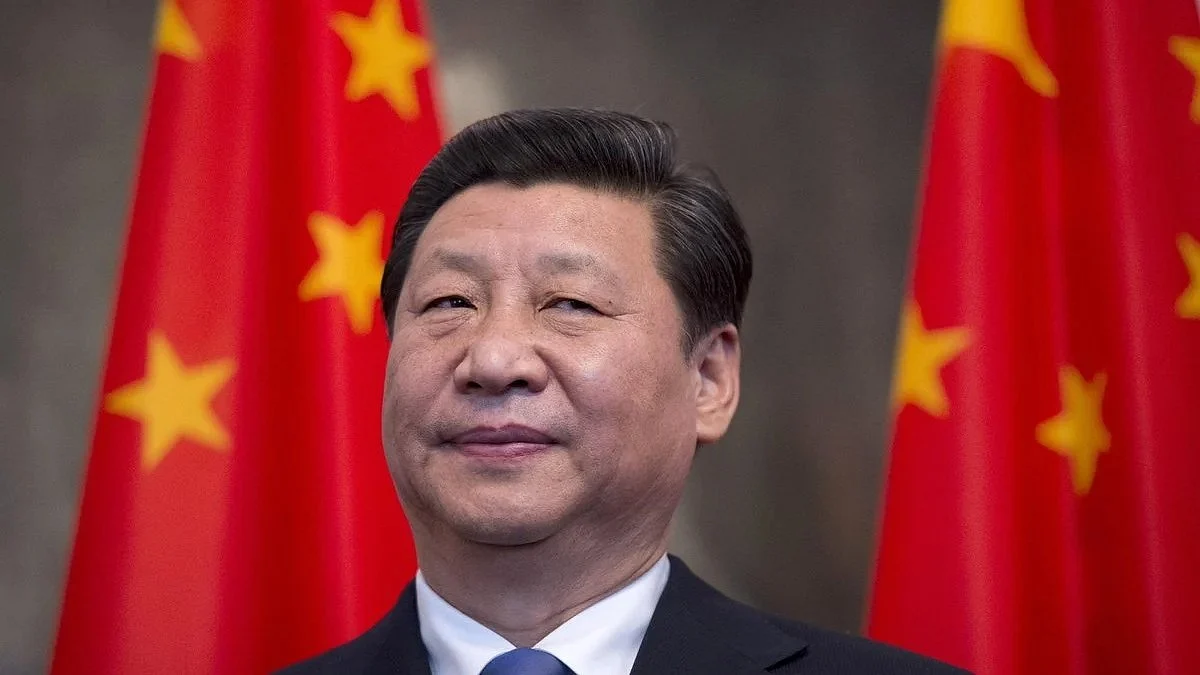


China has asked Iran to ensure freedom and safety of navigation through the Strait of Hormuz, marking a rare public call by Beijing amid Tehran’s tightening grip on the strategic waterway during its conflict with the US.
Chinese Foreign Minister Wang Yi conveyed the message during a phone conversation with his Iranian counterpart Abbas Araghchi on Wednesday, urging guarantees for uninterrupted international shipping.
“The current situation has reached a critical stage of transition between conflict and peace, and a window for peace is opening,” Wang said, according to a statement by the Chinese foreign ministry.
Call for navigation safety
While backing Iran’s sovereign rights, Wang stressed the need to maintain global maritime stability.
“At the same time, the freedom and safety of international navigation through the strait should also be ensured, and efforts to restore normal transit through the strait are a shared call of the international community,” he said.
The remarks come as Iran has tightened control over the Strait amid its ongoing war with the US, raising concerns over disruptions to global energy supplies.
Strategic choke point
The Strait of Hormuz, a narrow 55-km-wide passage between Iran and Oman, handles roughly 20 per cent of global oil trade, making it one of the world’s most critical maritime chokepoints.
China, which is a major importer of Iranian oil and a key diplomatic partner of Tehran, is directly affected by any disruption in the route.
The Chinese call follows the US decision to impose a blockade on vessels linked to Iranian ports after talks in Islamabad failed to resolve differences over Iran’s nuclear programme and control of the Strait.
US President Donald Trump has made reopening the Strait a key demand alongside curbs on Iran’s nuclear activities.
Beijing has already criticised the US blockade as “dangerous and irresponsible”, warning it could escalate tensions and disrupt global markets.
Diplomatic moves underway
Wang’s call coincided with a Pakistani mediation effort led by Asim Munir reaching Tehran to explore fresh proposals for a second round of US-Iran talks in Islamabad.
Iran, for its part, indicated openness to dialogue. Araghchi said Tehran expected China to play an active role in promoting peace and that it remained willing to pursue a “rational and realistic solution” through negotiations.
The developments underscore rising international concern over the stability of energy supply chains and maritime trade routes, as competing military and diplomatic pressures converge in the Gulf region.
China’s intervention highlights its dual approach—supporting Iran’s position while pushing for stability in a corridor vital to global energy flows.
Join our official telegram channel (@nationalherald) and stay updated with the latest headlines