


China selects 2 Pakistanis for astronaut training for Tiangong mission
One candidate to fly as payload specialist, marking first foreign astronaut on Chinese space station
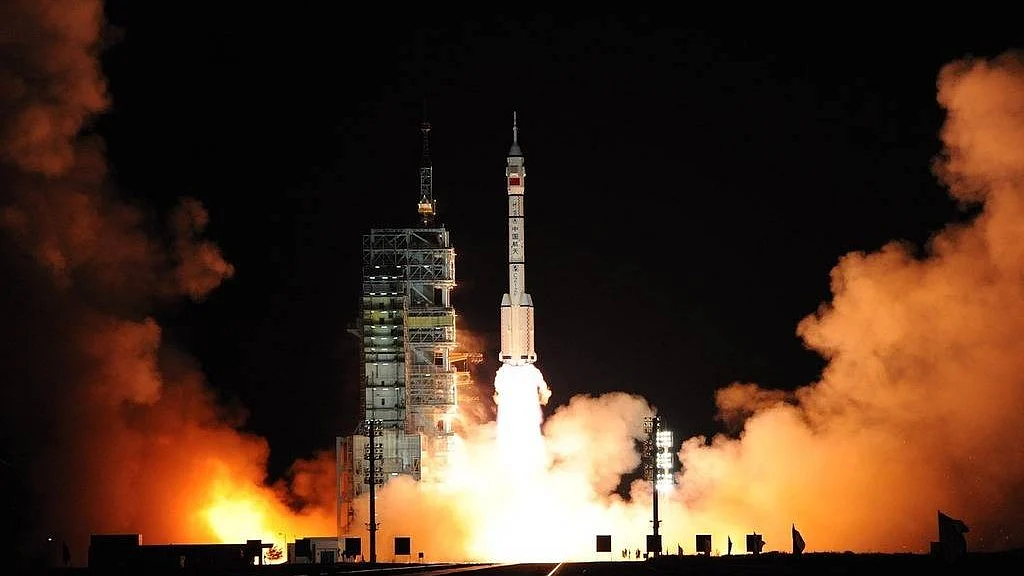


China has selected two Pakistani candidates for astronaut training as part of its manned space programme, with one expected to participate in a future mission to the Tiangong space station, officials said on 22 April.
The China Manned Space Agency (CMSA) said Muhammad Zeeshan Ali and Khurram Daud have been chosen as reserve astronauts and will soon travel to China for training.
After completing training and evaluation, one of them will be selected to fly as a payload specialist, becoming the first foreign astronaut to travel to China’s Tiangong space station.
The selection follows an agreement signed last year between the CMSA (China Manned Space Agency) and SUPARCO (Space and Upper Atmosphere Research Commission) of Pakistan.
The agreement, signed during a visit by Pakistan Prime Minister Shehbaz Sharif to Islamabad, provides for joint efforts in selecting, training and eventually sending Pakistani astronauts to China’s space station.
Chinese state media reported that the selection process for foreign astronauts was completed earlier this month.
Strategic collaboration in space
China’s Tiangong space station, orbiting at an altitude of around 400 km, has been operational for nearly five years and is central to Beijing’s expanding space programme.
The inclusion of Pakistani astronauts marks the first time China has opened its human spaceflight missions to foreign participants, reflecting deepening strategic ties between the two countries.
China has also been assisting Pakistan’s space programme through satellite launches in recent years.
Global context and competition
The Tiangong station is often seen as an alternative platform to other space stations, including the International Space Station (ISS).
China developed its own station after being excluded from the ISS programme, reportedly over concerns regarding the role of the People’s Liberation Army (PLA) in its space activities.
India angle
The development comes as regional competition in space capabilities intensifies, with India advancing its own human spaceflight programme, including preparations under ISRO’s Gaganyaan mission.
The participation of Pakistani astronauts in China’s programme could add a new dimension to space collaboration dynamics in the region.
The Tiangong space station forms a key component of China’s long-term ambitions in space exploration, including crewed missions, scientific research and potential international partnerships.
The upcoming mission involving a foreign astronaut is expected to test China’s ability to integrate international participants into its spaceflight ecosystem.
Join our official telegram channel (@nationalherald) and stay updated with the latest headlines