


Deadly highway blast in Colombia leaves 14 dead, dozens injured
Footage shows ambulances, twisted metal and debris strewn across highway after blast
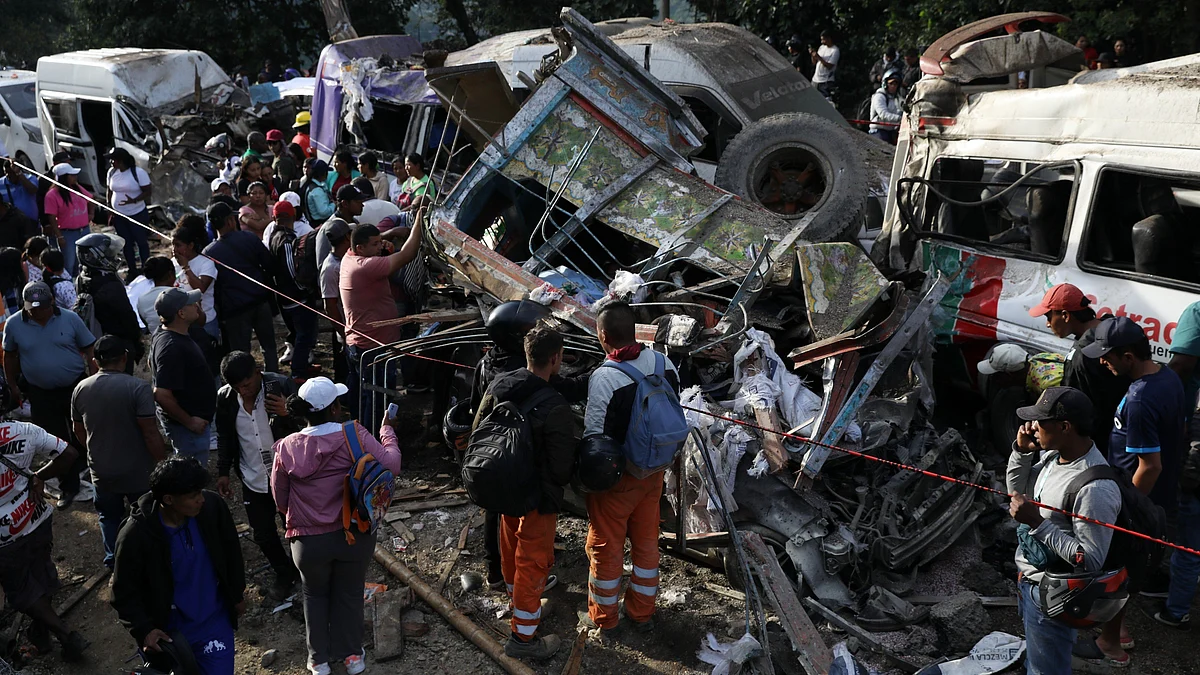


A powerful explosion tore through southwestern Colombia on Saturday, leaving at least 14 people dead and more than 38 injured in what authorities have described as a “terrorist act” targeting civilians.
The blast occurred on the Pan-American Highway in the El Túnel sector of Cajibío, a key transit corridor in the conflict-ridden Cauca region. Governor Octavio Guzmán confirmed the toll, noting that five minors were among the injured.
“As of now, we report 14 people dead and more than 38 injured,” Guzmán said, condemning what he called an “indiscriminate attack” against civilians. “There are not sufficient words for the pain we feel,” he added, urging a “decisive, sustained” response to what he described as a growing “terrorist escalation.”
Footage shared by the governor showed a grim aftermath — ambulances crowding the highway, twisted metal strewn across the road, and debris marking the force of the detonation.
Military officials swiftly attributed the attack to dissident factions of the now-defunct Revolutionary Armed Forces of Colombia. General Hugo López said the bombing bore the hallmarks of networks linked to “Ivan Mordisco”, one of the country’s most wanted figures, and the Jaime Martínez faction — groups that splintered after the 2016 peace accord.
Colombian President Gustavo Petro condemned the perpetrators in strong terms, calling them “terrorists, fascists, and drug traffickers”, as the government scrambled to contain a surge in coordinated violence across the region.
The deadly blast forms part of a broader wave of unrest. Authorities reported at least 26 violent incidents in southwestern Colombia over the past two days alone, including attacks on police installations, infrastructure, and attempted drone strikes. In one instance, explosives-laden drones targeting a radar facility in El Tambo were intercepted before causing harm.
On Friday, vehicles rigged with explosives detonated near military units in Cali and Palmira, inflicting material damage and deepening fears of an orchestrated campaign.
Defence minister Pedro Sanchez, who was meeting regional leaders in Palmira when the explosion occurred, vowed a firm response. “These criminals seek to instil fear, but we will respond with firmness,” he said.
Regional leaders echoed calls for urgent intervention. Francisca Toro urged the national government to deploy additional security forces and intensify intelligence operations, warning of a “terrorist-level escalation” in violence.
Authorities say Cauca and neighbouring Valle del Cauca remain hotspots for illegal armed groups vying for control over strategic trafficking routes leading to the port of Buenaventura — a critical gateway for drug shipments bound for Central America and Europe.
In a bid to stem the violence, the government has announced a reward exceeding $1 million for information leading to the capture of “Marlon”, identified as a key dissident leader, while local authorities have also offered incentives for leads in related attacks.
As investigations intensify, Colombia once again confronts the shadow of insurgent violence — where fragile peace collides with the enduring pull of illicit networks, and civilians bear the heaviest cost.
With agency inputs
Join our official telegram channel (@nationalherald) and stay updated with the latest headlines