


Trump revives birthright citizenship battle despite Supreme Court rebuke
Executive order identifies several categories of children whom the administration seeks to exclude from citizenship documentation
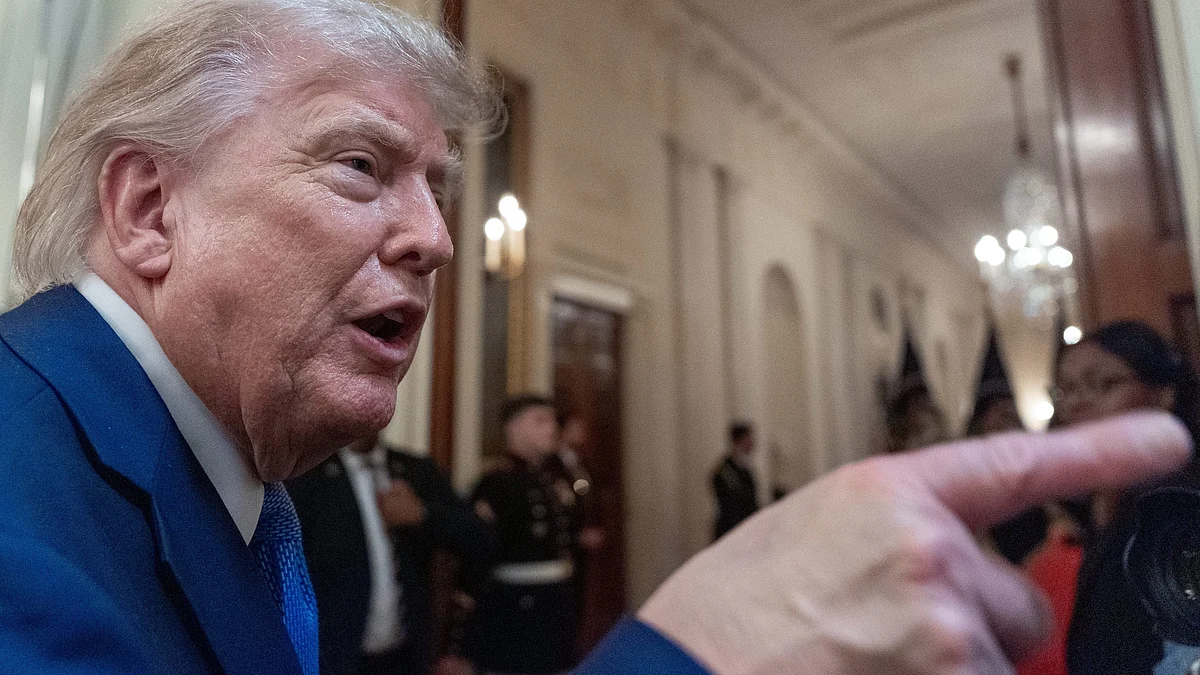


US President Donald Trump has once again renewed his assault on the long-standing principle of birthright citizenship, signing two sweeping executive orders that seek to tighten restrictions on who can claim American citizenship by birth. The move comes barely weeks after the US Supreme Court dealt a blow to his earlier attempt, reaffirming the constitutional protections that have stood for well over a century.
One of the executive orders takes aim at so-called "birth tourism", seeking to bar foreign nationals who travel to the United States with the intention of giving birth from entering the country. The second broadens the categories of individuals whose children the administration claims should be denied citizenship, including children of foreign nationals lobbying on behalf of overseas governments and several other groups.
The latest orders mark another chapter in Trump's relentless campaign to redraw the boundaries of American citizenship, despite the Supreme Court's 30 June ruling rejecting his previous executive order to end birthright citizenship. That decision reaffirmed the widely accepted interpretation of the Fourteenth Amendment — that nearly everyone born on US soil is an American citizen.
Unfazed by the judicial setback, Trump used the Oval Office to vent his frustration at the nation's highest court, dismissing its ruling as "very unfortunate" and declaring that his administration was now "making adjustments." Standing beside senior aides, including deputy chief of staff Stephen Miller — the architect of many of Trump's hard-line immigration policies — Trump portrayed the constitutional guarantee as a loophole ripe for exploitation.
Ratified in 1868 in the aftermath of the Civil War, the Fourteenth Amendment was designed to ensure citizenship for all people born in the United States, including formerly enslaved Americans. Trump, however, argued that a provision born out of one of the country's darkest chapters is now being manipulated by foreigners, claiming that "people are building businesses around it."
Echoing the administration's familiar anti-immigration rhetoric, Miller alleged that some visitors enter the country under the guise of tourism while intending to secure automatic citizenship for their children — a status he claimed provides access to welfare benefits, voting rights and other privileges reserved for Americans.
The executive order identifies several categories of children whom the administration seeks to exclude from citizenship documentation. These include children born to parents who allegedly engaged in commercial arrangements to travel to the US for childbirth, children of foreign government employees, children of members of terrorist organisations, and children born in certain US territories where citizenship is not granted by federal law.
Immigration lawyers swiftly condemned the orders, arguing that the White House is attempting to sidestep constitutional protections through executive action. New York-based immigration attorney Cyrus Mehta described the measures as "blatantly unconstitutional", arguing that the administration's vague definition of a "commercial transaction" violates the Fourteenth Amendment and would likely fail judicial scrutiny.
Civil rights advocates struck a similar note. The American Civil Liberties Union warned that the Supreme Court had already settled the constitutional question and vowed that any fresh attempt to undermine birthright citizenship would meet the same legal fate as Trump's previous order.
Meanwhile, available data paint a more measured picture than the administration's rhetoric suggests. According to the Migration Policy Institute, estimates of birth tourism range from 22,000 to 26,000 births annually, while official government figures recorded just 9,600 births in 2024 to mothers with foreign addresses — numbers that critics argue hardly justify a constitutional confrontation.
As legal challenges loom once again, Trump's latest orders appear poised to ignite yet another courtroom battle over the meaning of the Fourteenth Amendment, testing whether executive power can override one of the Constitution's most enduring guarantees.
With PTI inputs
Join our official telegram channel (@nationalherald) and stay updated with the latest headlines