


Donald Trump says Iran war may end soon; weekend talks likely
Washington has proposed a 20-year suspension, while Tehran has countered with a shorter timeline, alongside demands for sanctions relief
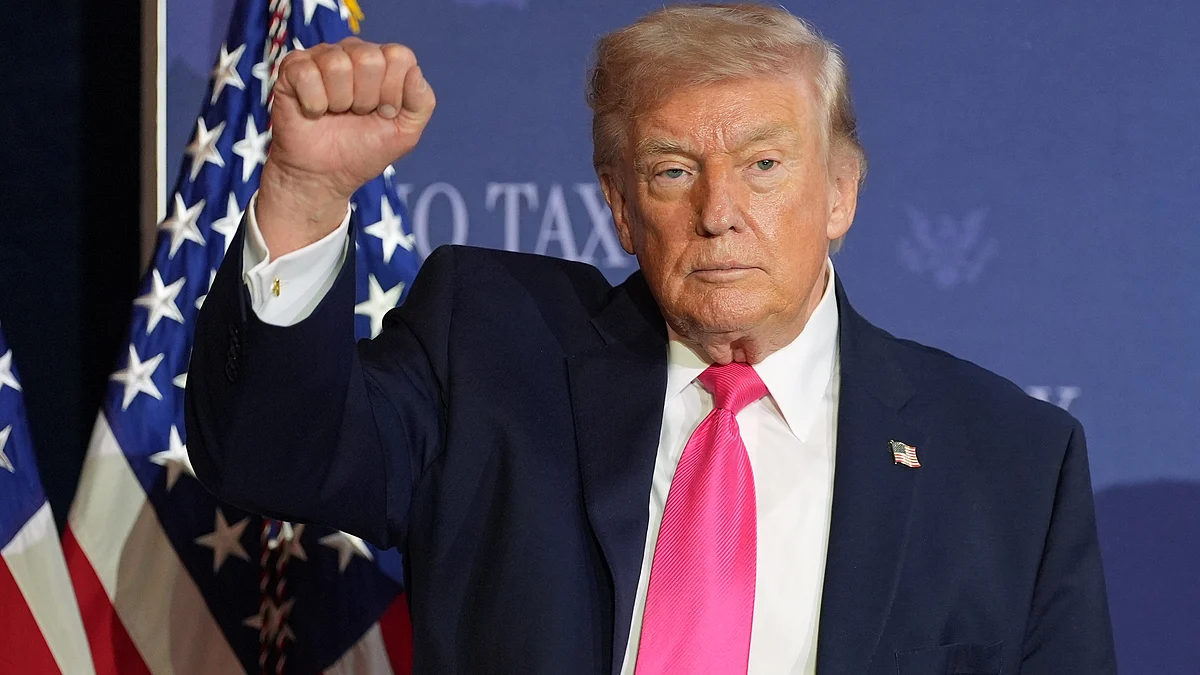


Amid flickering hopes of peace in a region long gripped by turmoil, US President Donald Trump struck an optimistic note, suggesting that a breakthrough with Iran may be within reach.
As a fragile 10-day ceasefire took hold between Israel and Lebanon, Trump urged the Tehran-aligned Hezbollah to exercise restraint, framing the moment as a rare opening for diplomacy over destruction, the Reuters reported.
“We’re very close to a deal,” Trump said, hinting that a decisive round of talks could unfold as early as the weekend. He even floated the possibility of travelling to Islamabad, where a prospective agreement could be signed — an outcome that would mark a dramatic turn in a conflict that has rattled global stability.
The war, which erupted on 28 February following US-Israeli strikes on Iran, has cast a long shadow — triggering one of the sharpest oil price shocks in history and prompting the International Monetary Fund to warn of a potential slide toward global recession. At home, the conflict has also weighed heavily on Trump’s political calculus, emerging as a contentious issue ahead of crucial midterm elections.
Behind the scenes, diplomacy has gathered quiet momentum. Sources indicated that backchannel negotiations — facilitated in part by Pakistan — have made meaningful headway, with discussions centred on an initial memorandum of understanding, to be followed by a comprehensive agreement within 60 days. A key role has reportedly been played by Pakistan’s army chief Asim Munir, whose talks in Tehran are said to have resolved several sticking points.
Markets, ever sensitive to the winds of geopolitics, responded in kind. Oil prices softened, with Brent crude slipping below $100 a barrel and West Texas Intermediate also retreating, as traders bet on a cooling of tensions. Yet the strategic Strait of Hormuz — a lifeline for global energy flows — remains effectively constricted, with only a trickle of vessels navigating waters that once bustled with over a hundred ships a day.
Even as diplomacy flickers, the ground reality remains precarious. The ceasefire in Lebanon, while welcomed, showed early signs of strain, with reports of intermittent shelling in southern villages. Israel’s forces continue to hold their positions, citing ongoing militant activity, while Hezbollah has signalled it will not consider disarmament outside a broader national security framework.
In Beirut, the ceasefire’s arrival was met with a mix of relief and volatility — celebratory gunfire lit up the night sky, even as authorities warned of the dangers such jubilation could bring.
At the heart of the diplomatic impasse lies Iran’s nuclear programme. Washington has proposed a 20-year suspension, while Tehran has countered with a shorter timeline, alongside demands for sanctions relief. Yet, in a sign of possible convergence, Iranian sources suggested a willingness to compromise on its stockpile of highly enriched uranium.
As leaders prepare for the next round of talks, the region stands at a delicate crossroads — poised between the promise of peace and the peril of renewed conflict, with the world watching closely.
Join our official telegram channel (@nationalherald) and stay updated with the latest headlines