


Iran urges civilian mobilisation as US deadline on Strait of Hormuz nears
Airstrikes hit Tehran; negotiations continue amid warnings of wider conflict
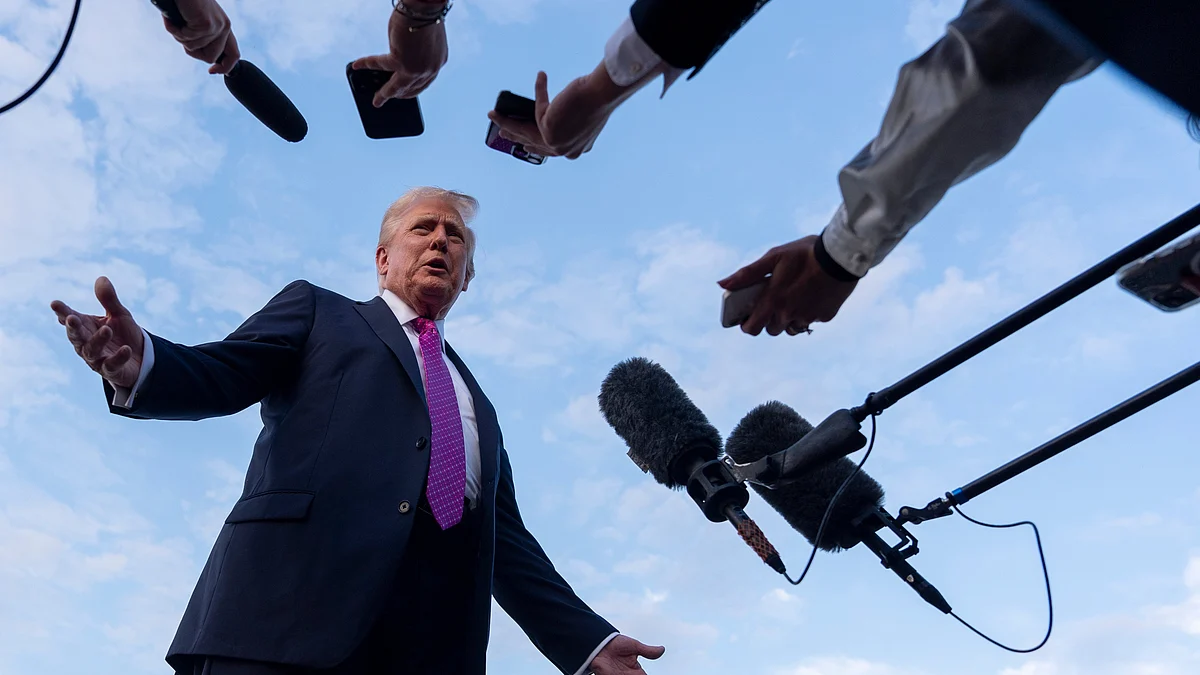


Airstrikes struck Tehran on Tuesday as Iran called on young people to form human chains to protect power plants, hours before a deadline set by Donald Trump for Tehran to reopen the Strait of Hormuz or face strikes on its infrastructure.
Iranian authorities said the mobilisation was aimed at safeguarding key facilities amid escalating hostilities. The deadline, set for 8 p.m. in Washington, follows earlier extensions by Washington, with US officials indicating it may be final.
The US has warned of targeting Iran’s power plants and bridges if maritime traffic does not fully resume through the Strait of Hormuz, a key global energy route through which about a fifth of the world’s oil passes in peacetime.
Iran’s president said that 14 million people, including himself, had volunteered to participate in the country’s defence, according to official statements.
Diplomatic efforts continue amid escalation
Officials involved in diplomatic efforts said talks were continuing, though Iran has rejected the latest proposal from Washington. It remains unclear whether an agreement can be reached before the deadline.
International leaders and experts have raised concerns over the scale of potential US strikes, warning that attacks on civilian infrastructure could violate international law.
Despite ongoing diplomacy, hostilities intensified on the ground. Iranian authorities said a wave of strikes hit multiple locations, including residential areas in Tehran, resulting in nearly three dozen deaths.
Regional tensions widen
Iran also launched attacks targeting Israel and Saudi Arabia, according to officials, prompting temporary disruptions including the closure of a major bridge in the region.
Analysts said Iran’s control over the Strait of Hormuz has placed pressure on global energy markets and increased international concern over supply disruptions.
While Iran lacks parity with US and Israeli military capabilities, particularly in air power, its position along the strait gives it significant leverage in the confrontation.
The Strait of Hormuz is one of the world’s most critical maritime chokepoints, linking the Persian Gulf to global markets. Any disruption in traffic through the route has immediate implications for global oil supply and prices.
Tensions between Iran and the US have escalated in recent days following the halt in maritime movement through the strait and subsequent military exchanges.
Join our official telegram channel (@nationalherald) and stay updated with the latest headlines