


Trump signals control of Venezuelan oil reserves, drawing global attention
Trump says the Venezuela intervention targets drug trafficking and aims to remove a corrupt authoritarian leader
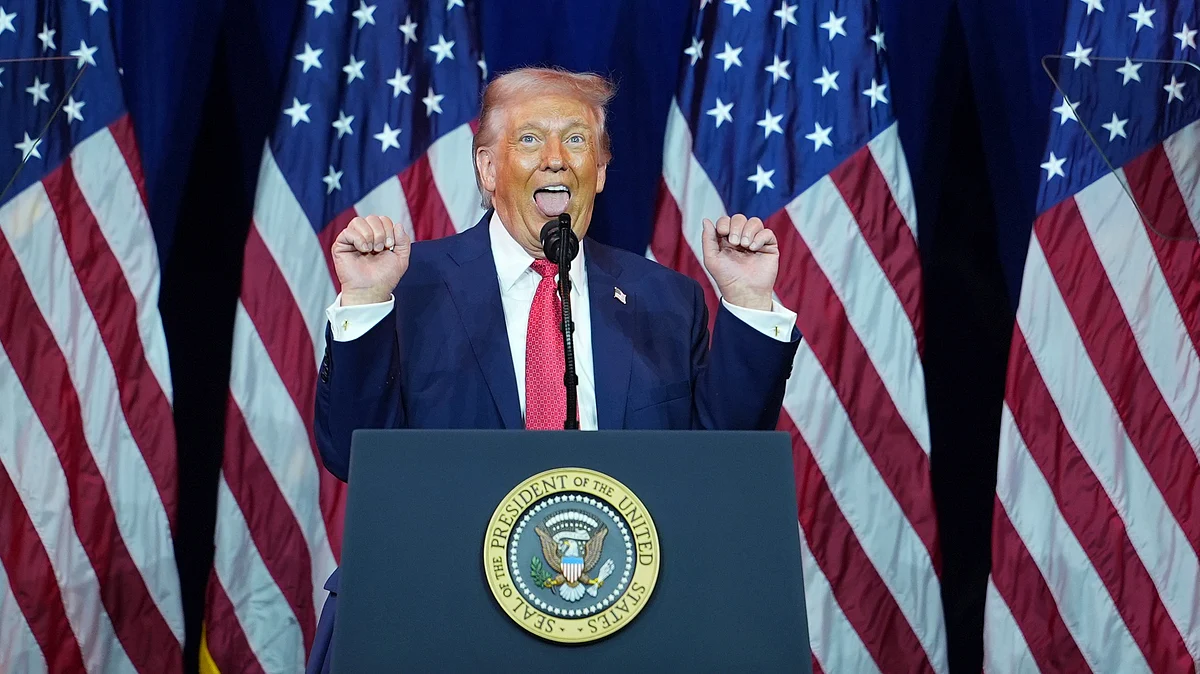


In a dramatic escalation of US–Venezuela tensions, President Donald Trump has characterized the United States’ bold intervention in Venezuela not as a short‑lived military incursion but as a sweeping geopolitical and economic turning point.
In the early hours of 3 January 2026, US forces launched a large‑scale military operation that struck multiple targets in Caracas and resulted in the capture of Venezuelan President Nicolás Maduro and his wife, Cilia Flores, who were then transported to the United States to face long‑standing US indictments on drug and weapons charges.
The Trump administration has framed the intervention as both a law‑enforcement action against narcotics trafficking and a strategic effort to unseat an authoritarian regime it accuses of corruption and undemocratic rule. Trump has repeatedly underscored the significance of Venezuela’s vast oil reserves, arguing that restoring production and involving major American energy companies will benefit global markets and enhance US influence.
While Trump speaks of rebuilding Venezuela’s fractured oil infrastructure and stabilising the nation over time, the operation has sparked fierce international debate. Critics — including legal scholars and several United Nations members — argue that the seizure of Maduro and military strikes violate international law and Venezuelan sovereignty, noting there was no UN Security Council authorisation or consent from Venezuela to justify the use of force.
The aftermath of the intervention has been complex. Venezuelan authorities named vice-president Delcy Rodríguez as interim president, even as the US suggested it would oversee Venezuela until conditions were right for a transition. Some lawmakers in the United States have moved to curb the president’s war powers, underscoring domestic concerns about the legality and scope of the intervention.
Reactions across the hemisphere and beyond have been sharply divided. Nations including Brazil, China, Russia, and Mexico have condemned the US action as a breach of international norms, while some Venezuelan diaspora groups in the US have welcomed Maduro’s removal. The United Nations held emergency discussions, with its secretary‑general warning of dangerous precedents for the use of unilateral force.
As the world watches how Venezuela’s future unfolds, the episode highlights enduring tensions between assertions of national security, questions of legal authority, and the geopolitical stakes tied to energy and regional influence.
With agency inputs
Join our official telegram channel (@nationalherald) and stay updated with the latest headlines